Quick Answer
The best cage for an African pygmy hedgehog is a large, single-level enclosure with a solid plastic floor, never a wire grid, and at least around 4 square feet of usable floor space. This common pet species is a ground dweller that loves to run, so the cage must hold a large solid-surface wheel plus a hide and food and water. Just as important is warmth: African pygmy hedgehogs need a steady 72 to 80 F, because a cold enclosure can trigger a dangerous attempted hibernation. Pick a long, low footprint over a tall multi-level cage.
Why It Matters
African pygmy hedgehogs are tropical animals, so housing choices are a genuine welfare issue rather than a matter of style. Wire or mesh floors can trap and injure their small feet and legs, and a cage that runs too cold can push a hedgehog into a hibernation attempt that this species is not built to survive. They are also poor climbers with a real risk of falls, so a cramped or overly tall setup invites injury. Getting the enclosure right supports exercise, safe temperatures, and daily comfort. When health questions come up, talk with a vet who treats exotics.
What to Look For
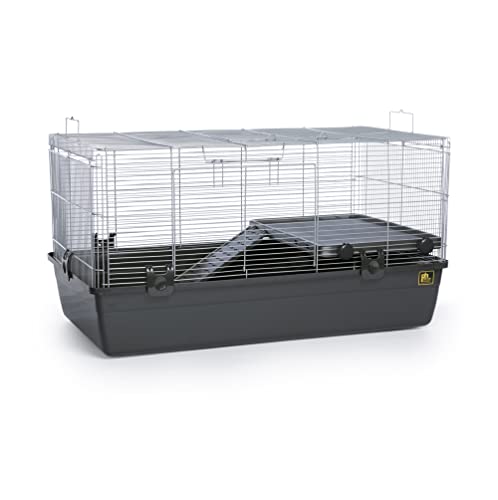
Prioritize a single large open level with a smooth, solid base you can line with deep bedding, and aim for roughly 4 square feet of floor as a floor, not a ceiling, for size. There should be enough clear space for a 10 to 12 inch solid-surface wheel without crowding the hide, dish, and litter area. If the cage has bars, spacing under 1 inch helps prevent escapes and trapped limbs, though solid-sided homes sidestep foot risks entirely. Good ventilation without drafts matters, as does easy access for daily spot cleaning. Finally, plan for a safe, thermostat-controlled heat source to hold that 72 to 80 F range year round.
How We Chose
We focused on enclosures that suit the African pygmy hedgehog specifically: ground-level living, solid floors, and enough width and length for a wheel and enrichment. We favored large single-level footprints and deep, leak-resistant bases over tall cages with ramps that encourage risky climbing. We weighed bar spacing, cleaning access, ventilation, and how readily each cage pairs with a separate, properly regulated heat source. These are honest editorial picks based on published specifications and species care guidance, not hands-on lab testing. Always confirm current dimensions and safety details before buying.
What to Avoid
Avoid any cage with a wire or mesh floor, which can injure feet, and skip tall multi-level designs that tempt a poor-climbing hedgehog into a dangerous fall; if a cage includes upper levels, block or remove them. Steer clear of glass aquariums, which trap humidity and stale air. Do not rely on room temperature alone, since a cold spell can trigger an attempted hibernation. Also avoid wire exercise wheels, cramped footprints under 4 square feet, and placing the cage in a drafty spot near windows or vents. If a hedgehog feels cold, wobbly, or unusually still, warm it gently and call an exotics vet.