Quick answer
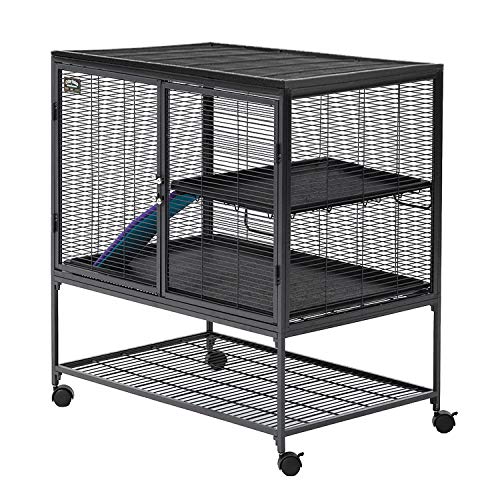
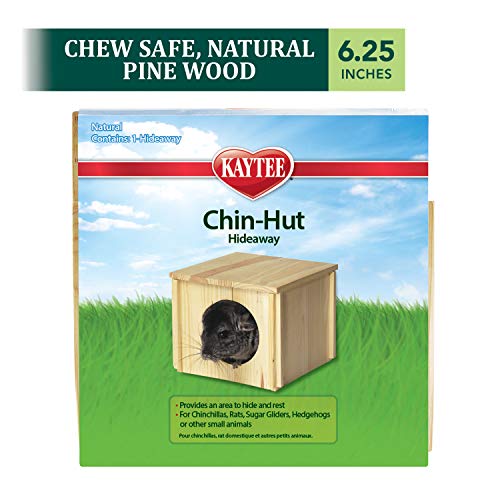
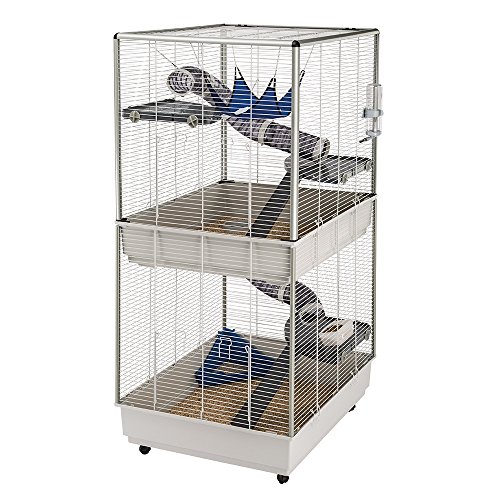
For most homes the Ferplast Ferret Tower Two-Story is the best cage for a chinchilla, because it stacks real vertical height, multiple solid levels, and narrow 0.6 inch bar spacing into one tall footprint. If you want the sturdiest chew-proof build, the Critter Nation by MidWest Homes is our upgrade pick, thanks to heavy-duty wire and full-width doors. The Ferplast Grand Lodge 120 Plus covers budget buyers, while the Kaytee Chinchilla Hut suits smaller rooms without giving up vertical room.
Why height and safe metal matter
Chinchillas are agile climbers and powerful jumpers, so floor space alone is not enough. They need a tall, multi-level wire cage with solid ledges and shelves to leap between, which keeps their muscles and minds active and helps prevent boredom. Just as important is the metal itself. Chinchillas gnaw on bars constantly to wear down their teeth, so the cage must be powder-coated or stainless steel, never galvanized or zinc coated, because zinc is toxic if ingested and can lead to a vet visit. Bare wire floors and ramps also cause sore feet and bumblefoot, so every walking surface should be solid or covered with wood or fleece.
What to look for
Prioritize a large, tall frame with several full levels, since bigger is always better and a bonded pair needs even more room. Aim for bar spacing around 1 inch or less, roughly 0.5 to 0.6 inches, so a slim chinchilla cannot squeeze through or get a head stuck. Add solid metal or wood shelves and ramps, a hide for security, a solid running wheel sized for chinchillas, and space for a sand bath. A deep pull-out tray and wide doors make daily cleaning and handling far easier.
How we chose
We compared popular tall critter and chinchilla cages on height, number of solid levels, bar spacing, and the safety of the metal coating. We favored models with chew-resistant powder-coated or stainless wire, generous vertical space, and doors wide enough to reach every shelf. We also looked at how deep the pull-out tray sits and whether the included shelves are solid or open wire. Cages that relied on bare wire floors, wide bars, or flimsy plastic ramps were ranked lower, since those are the details that most affect long-term safety and comfort. Real owner feedback on chewing and rust helped break ties between similar models.
What to avoid
Skip short, single-level cages and anything with wide bars a chinchilla can escape through or get caught in. Avoid galvanized or zinc-coated wire, plus plastic ramps and shelves that get chewed and swallowed. Do not place the cage in a warm, stuffy corner. Chinchillas overheat easily, so keep it in a cool, well-ventilated spot away from direct sun and heat vents, ideally between 60 and 70 F, and never rely on a heat lamp. Also skip cages so small a pair cannot pass without crowding, since that stress can trigger fighting and fur chewing.