The Quick Answer
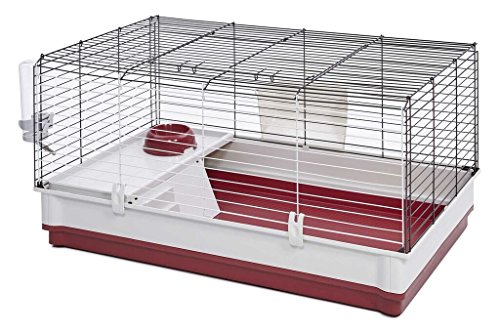
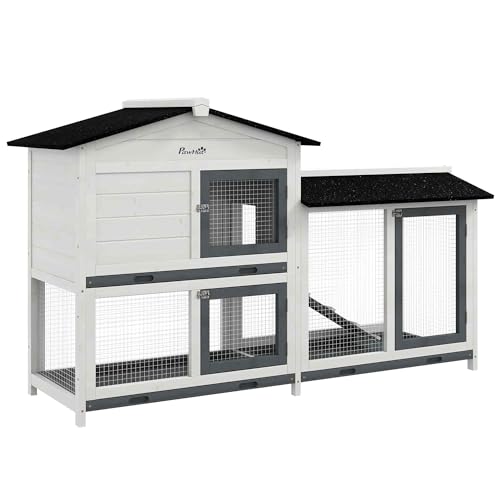
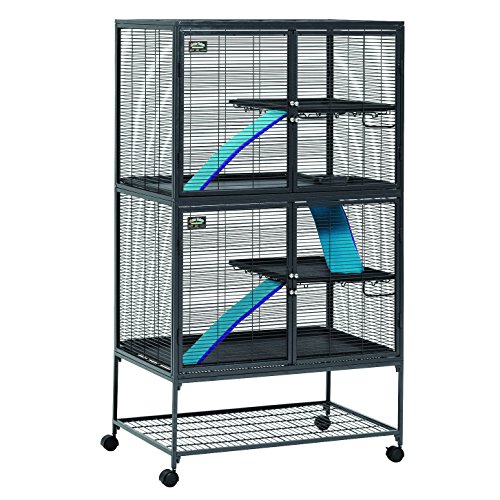
A Flemish Giant is not a normal rabbit, and it cannot live in a normal rabbit cage. Most adults reach 15 to 20 pounds or more and stretch well past two feet when lying flat, so almost every commercial cage sold as extra large is still too small. For a single Flemish Giant we suggest a minimum enclosure footprint of 48 by 24 inches as a resting and feeding base, paired with a dedicated exercise pen or a rabbit-proofed free-roam room. The Critter Nation and the 60 inch MidWest Homes options give the most usable floor and vertical room, but treat any cage as a home base, not the whole territory.
Why It Matters
A big body needs a big footprint. Confining a 15 pound rabbit to a small cage restricts natural movement, contributes to obesity and muscle loss, and raises the risk of sore hocks when the animal is forced onto thin wire or a hard undersized floor. Flemish Giants also press against walls and doors, so weak plastic bases and flimsy latches fail quickly under their weight and strength. Getting the enclosure right protects both the rabbit and your budget, since a sturdy setup outlasts several cheap ones.
What to Look For
Prioritise length and floor strength over height. You want at least 48 inches of length, a solid or well-covered floor that supports a heavy frame without flexing, and 1.5 inch wire spacing on the sides. Deep pull-out trays make daily cleaning realistic given how much waste a large rabbit produces, and wide double doors let you lift the animal in and out without straining its spine. Secure metal latches matter because determined giants can nose open weak clips. If you use an outdoor hutch, insulate it and predator-proof every panel.
How We Chose
We compared widely available enclosures against the real dimensions of an adult Flemish Giant rather than generic rabbit guidance. We favoured models with genuine extra-large footprints, sturdy frames rated for heavy occupants, deep removable trays, and easy owner access. We noted where a product works best as a home base that must be paired with exercise space, since no single cage replaces daily out-of-cage time. Prices and stock shift often, so confirm current specs on the retailer page before buying.
What to Avoid
Avoid any cage marketed for standard or medium rabbits, bare wire floors with no solid covering, and shallow trays that let waste spill. Skip thin plastic bases that crack under weight and hutches with narrow doors that force awkward lifting. Do not treat a cage alone as adequate housing, no matter how large. Every Flemish Giant needs several hours of supervised exercise daily. If your rabbit shows limping, sores, appetite loss, or changes in droppings, contact a rabbit-savvy veterinarian promptly.