Quick answer
The best home for a gerbil is not a standard barred cage at all. It is a large glass tank or aquarium of 20 gallons or more with a secure mesh lid, or a purpose-built gerbilarium with a deep solid base. Gerbils are intense burrowers, so they need at least 6 inches of bedding, and only a deep-sided, chew-proof enclosure can hold it. Because gerbils are highly social, they are kept in same-sex pairs or small groups, so always size up for more than one. Think of the enclosure as a substrate box first and a cage second, and pick the largest solid-based footprint you can fit.
Why deep bedding and a solid base matter
In the wild, gerbils dig long tunnel systems and spend much of the day underground. To let them behave naturally, you need 6 inches of bedding at an absolute minimum, and more is better. A wire cage with a shallow plastic tray simply cannot hold that depth, and the bedding gets kicked out through the bars every time a gerbil digs. A deep, solid-walled base made of glass or metal keeps the substrate in and gives your gerbils room to build stable tunnels that hold their shape. Deep digging is not a luxury for gerbils; it is a core welfare need that reduces stress, boredom, and repetitive bar-chewing.
What to look for
Prioritize floor footprint over height, since gerbils run and dig rather than climb. Choose glass or metal construction with no exposed plastic to chew. A well-fitted mesh lid gives strong ventilation while blocking escapes from these agile climbers. Make sure there is room for a sand bath, a hide, a solid wheel, and plenty of chew toys on top of the bedding. For a pair, a 20 gallon tank is a starting point, and a larger footprint is always safer and calmer for the animals. Check that any lid clips or weighs down securely, because gerbils are quick and determined.
How we chose
We focused on enclosures that hold deep bedding, resist constant gnawing, and give social gerbils enough shared floor space. We weighed base depth, material durability, ventilation, escape resistance, and how easily each design fits a sand bath, wheel, and hides. We favored large glass tanks with mesh lids, deep-base gerbilariums, and sturdy deep bin cages over barred cages that leak substrate and tempt bored gerbils to gnaw the bars.
What to avoid
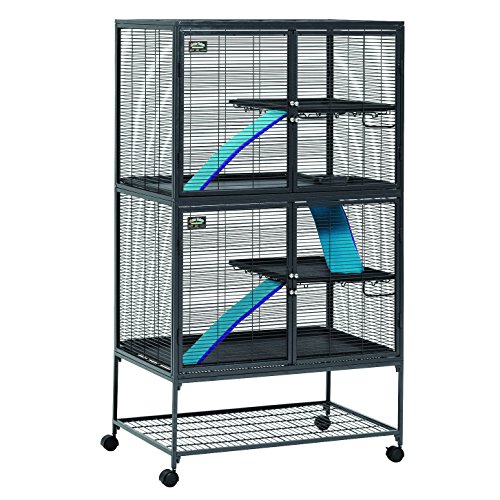
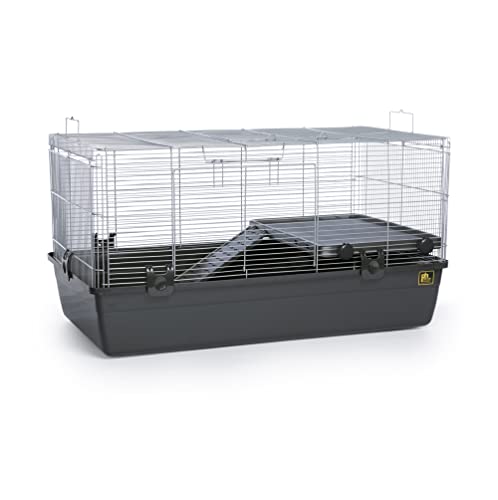
Avoid tall barred cages with shallow plastic trays, plastic tube habitats, and any enclosure with exposed plastic panels. Gerbils quickly chew through plastic bases and bar-cage trays, then escape or ingest fragments. Wide bar spacing is another risk, as a slim gerbil can slip through gaps that look too small. Skip cramped setups that leave no room for deep substrate plus enrichment. If your gerbil seems lethargic, is losing fur around the nose, or breathes noisily, see an exotics vet, as these can signal stress or a respiratory problem.