Quick Answer: The Best Cage for a Hermann’s Tortoise
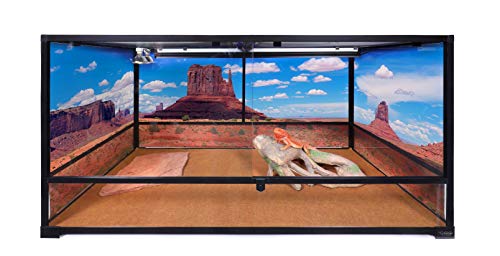
Hermann’s tortoises are active Mediterranean grazers, so the best home is an open tortoise table or large front-opening enclosure that gives generous floor space, strong ventilation, and room for a proper warm-to-cool temperature gradient. For most adults we lean toward a wide, low, open-topped table over a tall closed glass tank, because open airflow suits a dry-warm species and the extra floor area lets a busy tortoise walk, graze, and thermoregulate. A basking heat lamp at one end, correct UVB overhead, a dry-ish substrate, a hide, and a shallow water dish complete the setup. Size up whenever you can.
Why Housing Choice Matters for Hermann’s Tortoises
Hermann’s tortoises (Testudo hermanni) come from the dry, sunny hills of southern Europe, so their needs differ from tropical species. They want a warmer, drier environment with excellent airflow, not the high humidity a sealed vivarium traps. A cramped or poorly ventilated box can lead to stress, shell problems, and respiratory issues, while a spacious, breathable setup lets your tortoise behave naturally. Floor space matters far more than height, since these are ground-dwelling walkers rather than climbers. Getting the enclosure right is the foundation every other part of care sits on.
What to Look For in a Hermann’s Tortoise Enclosure
Prioritise floor area first: aim for the largest footprint you can fit, and treat published minimums as a starting point rather than a target. Open-topped tortoise tables give the best ventilation and easy access, while front-opening enclosures reduce stress compared with reaching down from above. Make sure the top or frame can support a basking heat lamp and a separate UVB source, and that the walls are opaque, since clear glass on all sides can confuse a tortoise into pacing. Look for a design that holds a dry-ish substrate deep enough for scraping, plus room for a hide at the cool end and a shallow water dish.
How We Chose These Picks
We compared widely available enclosures on the factors that matter most for a Mediterranean species: usable floor space, ventilation, access for cleaning, and how easily each supports a heat and UVB setup. We favoured larger footprints and breathable designs, and we flagged where a glass tank suits only a juvenile that will soon need an upgrade. Our notes are editorial research based on manufacturer specifications and general husbandry guidance, not hands-on lab testing. Because every tortoise and home is different, we recommend confirming your final setup with a qualified exotics vet.
What to Avoid
Skip small glass tanks marketed for adults, sealed high-humidity vivariums, and anything that limits floor space in favour of height. Avoid damp or dusty substrates and bark-heavy mixes that push humidity too high for a dry-warm species. Do not rely on a single combined heat-and-UVB bulb as a shortcut, and never place the enclosure where it overheats in direct sun with no cool retreat. Cedar and pine shavings are toxic and should never be used. When in doubt about temperatures, lighting, or your tortoise’s health, consult an exotics vet rather than guessing.