Quick answer
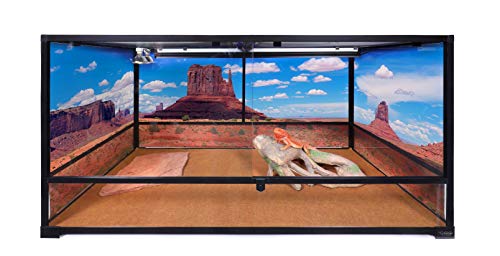
A Russian tortoise does best in a large, open-top enclosure with a big floor footprint, not a small cage or a glass aquarium. Aim for a wide, low setup such as a tortoise table or a spacious tortoise house, give it deep loose substrate for digging, add a basking heat lamp plus UVB lighting, a solid hide, and a shallow water dish. Floor space matters far more than wall height, so always choose the widest option your room allows.
Why open tables beat tanks
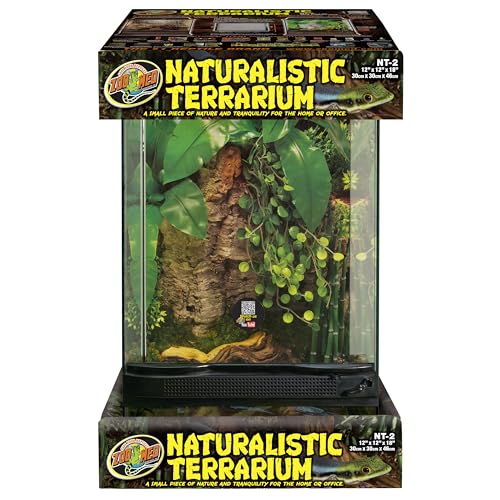
Russian tortoises do not understand glass. In a see-through tank they often pace and paw at the clear walls trying to walk through them, which is a real source of stress. Tall glass tanks also trap stale air and heat unevenly, and their small footprint limits movement. An open-top table or a solid-walled tortoise house solves all three problems: the walls are opaque so the tortoise settles, airflow stays fresh, and overhead lamps sit at the correct distance without cooking the enclosure.
What to look for
Prioritize floor area first. A large footprint, commonly cited minimums of 4 by 2 feet or more, lets you build a proper warm-to-cool temperature gradient and gives your tortoise room to roam and graze. Russian tortoises are strong burrowers, so pick an enclosure that holds at least 4 to 6 inches of loose topsoil, coir, and sand mix that keeps its shape when they dig. You also want solid or opaque sides to reduce glass-pacing stress, easy top or front access for cleaning, a shallow water dish, and enough open space to mount a basking heat lamp and a UVB tube safely above the substrate.
How we chose
We focused on enclosures that put usable floor space, ventilation, and substrate depth ahead of looks. We favored open-top and solid-walled designs that reduce glass-pacing stress and let overhead lamps heat the space efficiently. Larger footprints scored higher, since bigger is always better for this active species, and we noted which picks suit hatchlings, adults, or outdoor summer time. Any glass option we include is there for a wide, low footprint and strong ventilation, not tall show-tank height, and we call out where a table or tortoise house would serve your tortoise better.
What to avoid
Skip small pet-store cages, narrow tall tanks, and standard aquariums, which are cramped and stress-inducing for a walking, digging tortoise. Avoid cedar or pine shavings, which are toxic, and do not keep the substrate damp, since these arid-climate tortoises are prone to shell rot in wet setups. Do not rely on height as a substitute for floor area. When warm weather allows, a secure, predator-proof outdoor pen with shade and natural sunlight is a great addition and gives real UVB. If you notice runny eyes, nasal bubbles, lethargy, or a soft shell, stop guessing and ask an exotics vet, since these can signal respiratory infection or metabolic bone disease.