Quick answer
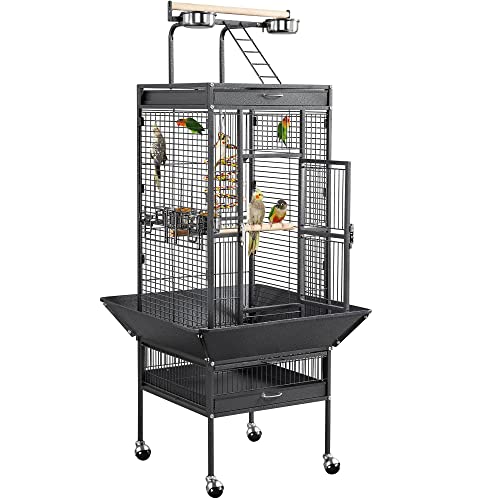
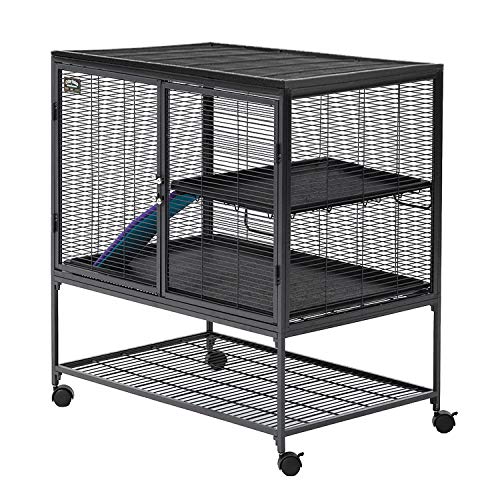
The best cage for a sugar glider is tall and vertical, not wide and short. Sugar gliders are arboreal marsupials that climb and glide, so height matters far more than floor space. Aim for a cage at least 36 inches tall, with bar spacing of about half an inch (1.3 cm) so a glider cannot squeeze out or trap its head. Choose PVC-coated or safe non-galvanized metal, secure locking doors, and horizontal bars or mesh they can climb. Our top pick is the Critter Nation by MidWest Homes for its vertical layout and safe half inch spacing, with the Prevue Hendryx Wrought Iron Flight Cage as a taller value option.
Why height and bar spacing matter
In the wild, sugar gliders live in the tree canopy and launch from branch to branch. A tall cage lets them climb, leap, and glide, which keeps them fit and reduces stress. A wide, short cage wastes the space they use most. Bar spacing is a safety issue: gaps wider than half an inch let a glider push its head through and become stuck or escape entirely. Narrow, horizontal bars give secure footing for climbing across the walls and ceiling. Vertical bars, by contrast, offer little grip and force gliders to rely on shelves alone, cutting the climbing surface they use every night.
What to look for
Prioritize a minimum height of 36 inches, with taller being better. Confirm bar spacing is around half an inch. Pick PVC-coated or powder-coated metal rather than galvanized wire, since zinc from galvanized coatings is toxic if gliders lick or chew it. Look for secure, locking doors, because gliders are clever escape artists. Then fill the cage with branches, ropes, fleece sleeping pouches, and a solid-surface wheel with no wire rungs or center axle that could catch a tail or foot.
How we chose
We compared tall bird flight cages and multi-level small-pet cages against sugar glider welfare needs: vertical height, half inch bar spacing, climbable horizontal bars, safe coatings, and secure latches. We favored cages that give a bonded pair room to move, since sugar gliders are highly social and should never be kept alone. Cages with removable trays and wide doors scored higher for daily cleaning. We also weighed how easily each cage accepts pouches, branches, and a solid-surface wheel, since a bare cage does little for glider welfare on its own.
What to avoid
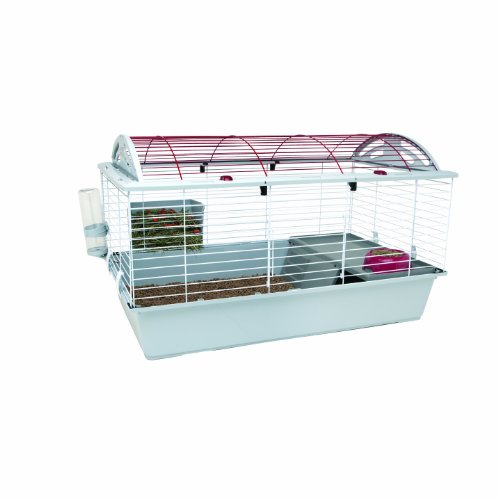
Avoid short, wide cages built for ground animals, and skip any cage with bar spacing wider than half an inch. Do not use galvanized or unknown metal because of zinc toxicity risk. Steer clear of glass tanks and aquariums, which trap heat and humidity and block the vertical climbing gliders need. Finally, never plan for a single glider in a lonely setup. These animals need at least one companion, and two gliders need more space, so size up from the start.