The Quick Answer
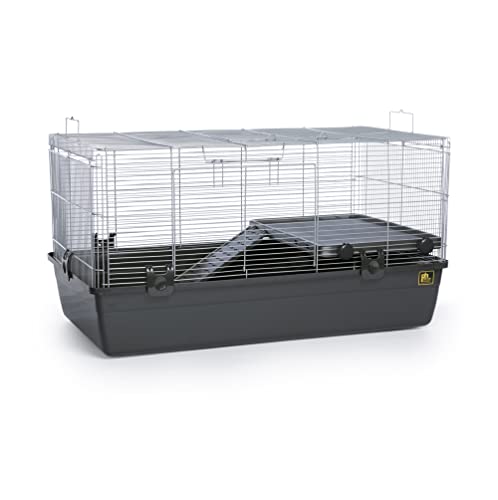
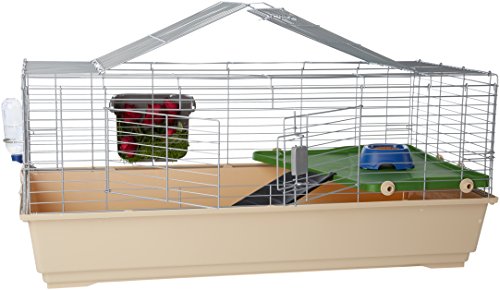
The best cage for a teddy guinea pig is a large, single-level home with a solid floor and at least 7.5 square feet of open ground space for one pig, and closer to 10.5 square feet for a bonded pair. Our top pick is the MidWest Homes Guinea Habitat, which pairs a leak-proof canvas base with roughly 8 square feet of floor and a removable divider. For owners who want maximum room, a 2×4 C and C setup with a coroplast base delivers the most usable space per dollar. Whatever you choose, prioritize floor area over height, since guinea pigs roam and popcorn along the ground rather than climb.
Why Cage Choice Matters
Guinea pigs spend nearly all their waking hours on the cage floor, so square footage directly shapes their health and behavior. Cramped housing is linked to weight gain, muscle stiffness, boredom, and stress-related behaviors, while roomy layouts encourage the natural running and popcorning that signal a happy pig. Teddy guinea pigs carry a dense, wiry coat that can trap moisture against the skin, which makes a dry, solid floor especially important for preventing sores and coat staining. Because most pet-store cages sold as guinea pig homes fall well short of welfare guidance, the cage you pick is one of the biggest daily-comfort decisions you will make. If you notice limping, sores, or breathing changes, consult an exotic-pet vet.
What to Look For
Start with floor space measured at ground level, not the footprint that includes ramps or shelves. Aim for a single, open level, since guinea pigs do not climb well and ramps introduce fall risk. The floor must be solid plastic or coroplast, never bare wire, because wire flooring is a leading cause of bumblefoot, a painful foot infection. Check that any wire sides have gaps of about 1 inch or less so a pig cannot push its head through. A base deep enough for 2 to 3 inches of fleece or paper bedding helps with burrowing and keeps urine away from the coat. Large doors or a lift-off top make daily spot cleaning far easier.
How We Chose
We compared widely available cages against published guinea pig welfare guidance, focusing on usable ground-level floor space, floor material, wire spacing, base depth, and ease of cleaning. We favored single-level designs and flagged multi-level or ramped cages only where the main floor was still large enough on its own. We also weighed value, since a C and C grid setup often beats commercial cages on space per dollar. We did not physically test these products, and this guide is editorial research rather than hands-on lab testing. Product specs and dimensions can change, so always confirm current details on the retailer listing before buying.
What to Avoid
Skip anything marketed as a starter or pet-store guinea pig cage under about 7.5 square feet, since these are almost always too small for even one adult. Avoid wire or mesh floors, sharp ramps, and steep multi-level towers that waste space a guinea pig cannot safely use. Steer clear of fully enclosed glass or plastic tanks, which trap ammonia and humidity and can trigger respiratory problems. Do not rely on floor time alone to make up for an undersized cage, because pigs need room around the clock. Finally, remember guinea pigs are highly social, so plan for a pair and size the cage for two from the start whenever possible.