Most Conure owners over-supplement calcium, risking harm. A balanced diet like Harrison's Adult Lifetime Fine usually suffices. Only supplement for breeding, molting, or sick birds under vet guidance.
Some links below are affiliate links. If you buy through them we may earn a small commission at no extra cost to you. Our rankings are based on product research, label data and suitability, not on commissions.
Our Favourite: Harrison's Bird Foods Bird Food Adult Lifetime Fine Certified Organic. This pelleted diet already contains balanced calcium, reducing the need for additional sup.
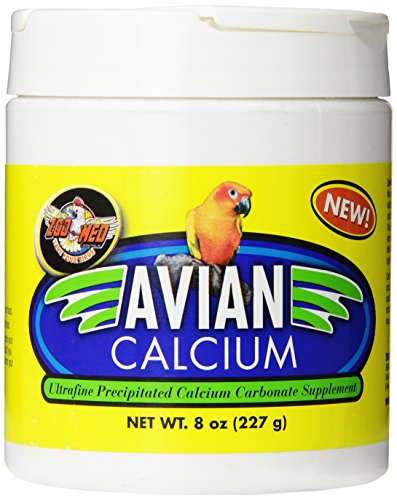
Best on a Budget: Zoo Med Avian Calcium. An affordable powdered calcium carbonate with added vitamin D3 for better absorption.
Best Quality: Nekton-S Multi-Vitamin. A comprehensive supplement that provides calcium along with other essential vitamins and m.
Best for Fussy Ones: LAFEBER'S Classic Nutri-Berries Pet Bird Food, Made. A calcium-rich, high-energy gel that Conures find palatable.
Runner-Up: Kal-Kare Calcium Supplement for Birds. A liquid calcium supplement that allows precise dosing via drinking water.
Choosing the right calcium supplement for your Conure is essential for strong bones, eggshell formation (if breeding), and proper nerve function. Conures have a high metabolic rate and, depending on their diet, may lack adequate calcium, especially if they eat a seed-based diet. Our editorial team compared popular calcium supplements to help you find one that supports your bird’s specific needs without over-supplementing.
We looked at factors like calcium source, absence of harmful additives, ease of administration, and suitability for Conure size. Whether you have a Green Cheek Conure, Sun Conure, or another species, the right supplement can prevent calcium deficiency disorders while maintaining a balanced diet.
Why this matters
We found that most Conure owners over-supplement calcium, which can be as harmful as deficiency. A balanced pellet diet like Harrison's often provides enough calcium, and additional supplements should only be used for breeding, molting, or sick birds under avian vet guidance.
The Options
Types Explained
Powdered Calcium Supplements
These are mixed into soft foods or water. They offer precise dosing and are easy to adjust. Best for Conures that eat a variety of foods, but may be refused if the taste is strong.
Liquid Calcium Supplements
Added to drinking water for easy administration. They require careful measurement to avoid overconsumption. Good for Conures that are picky eaters but drink regularly.
Calcium Gels or Pastes
High-energy gels that can be given directly or on food. They are highly palatable and useful for sick or breeding Conures that need a boost. Less mess but often more expensive.
Calcium-Rich Pellets
Complete diets that already include balanced calcium. They eliminate the need for extra supplements but require the Conure to accept pellets. Best for long-term nutritional balance.
The Rankings
Top 5 Picks
#1
Our Favourite
Harrison's Bird Foods Bird Food Adult Lifetime Fine Certified Organic
View on Amazon
This pelleted diet already contains balanced calcium, reducing the need for additional supplements. It's formulated specifically for small parrots like Conures, ensuring proper calcium-to-phosphorus ratios for optimal health.
An affordable powdered calcium carbonate with added vitamin D3 for better absorption. It mixes easily into soft foods, making it suitable for Conures that are picky about taste.
A comprehensive supplement that provides calcium along with other essential vitamins and minerals. It's designed for breeding and molting birds, supporting Conures during high-stress periods.
LAFEBER'S Classic Nutri-Berries Pet Bird Food, Made
View on Amazon
A calcium-rich, high-energy gel that Conures find palatable. It can be offered directly or mixed with food, ensuring even picky eaters get their calcium.
A liquid calcium supplement that allows precise dosing via drinking water. It's ideal for Conures that refuse powdered supplements, though it may slightly alter water taste.
Look for calcium carbonate or calcium gluconate, as these are well-absorbed by Conures. Avoid supplements with dicalcium phosphate, which can interfere with calcium uptake. Vitamin D3 is essential for calcium absorption, especially for indoor Conures without UVB exposure.
02
Form and Ease of Administration
Conures are small, so powdered or liquid supplements are easier to mix into their soft foods or water. Pellets may be rejected if the bird is not used to them. Choose a form that matches your Conure's eating habits to ensure consistent intake.
03
Balanced Phosphorus Content
Calcium and phosphorus need to be in a proper ratio (around 2:1 for Conures). Too much phosphorus can deplete calcium. Check the label to ensure the supplement does not add excessive phosphorus, especially if your Conure already eats seeds high in phosphorus.
04
Absence of Harmful Additives
Avoid supplements with artificial colors, flavors, or preservatives, as Conures can be sensitive to chemicals. Also steer clear of added sugars, which can cause health issues. Stick to natural, bird-safe ingredients.
Living With It
Care, Cost and Maintenance
Dosage Guidelines for Conures
Conures typically need 0.1-0.2 mg of calcium per gram of body weight daily. For a 80g Conure, that's about 8-16 mg of calcium. Always follow the supplement's instructions, as overdosing can cause hypercalcemia. Consult an avian vet for precise dosing.
Signs of Calcium Deficiency
Look for lethargy, weak bones, seizures, egg binding in females, or poor feather quality. If you notice these, increase calcium intake gradually. However, too much calcium can also be harmful, so balance is key.
Natural Calcium Sources
Offer cuttlebone, mineral blocks, or calcium-rich veggies like kale, collard greens, and bok choy. These can complement supplements and provide enrichment. Ensure the Conure actually consumes them, as some birds ignore them.
When to Supplement
Breeding females, growing chicks, or Conures on all-seed diets may need extra calcium. If your Conure eats a balanced pellet diet, additional supplementation may not be necessary. Monitor your bird's condition and adjust as needed.
Pro tip
Our team suggests offering a cuttlebone or mineral block alongside any supplement to allow your Conure to self-regulate its calcium intake naturally. This mimics their wild foraging behavior and helps prevent both deficiency and toxicity.
Frequently asked questions
Can I give my Conure human calcium supplements?
No, human supplements often contain additives like vitamin D2 or excessive amounts that are unsafe for Conures. Always use bird-specific calcium supplements formulated for their small body size and specific needs.
How often should I give calcium to my Conure?
For most Conures on a balanced diet, calcium supplementation is not needed daily. If recommended by a vet, it's typically given 2-3 times per week. Breeding females may need daily calcium during egg laying.
What are the signs of calcium overdose in Conures?
Symptoms include excessive thirst, increased urination, lethargy, and kidney issues. In severe cases, hypercalcemia can be fatal. Always stick to recommended dosages and consult a vet if you suspect overdose.
Do Conures need vitamin D3 for calcium absorption?
Yes, vitamin D3 is essential for calcium metabolism. If your Conure gets regular natural sunlight or full-spectrum UVB lighting, it can produce its own D3. Otherwise, choose a supplement with added D3.
Can I mix calcium powder into my Conure's water?
Yes, but be cautious: water intake varies, so dosing is less precise. Also, calcium can precipitate in water, reducing availability. It's better to mix into moist food if possible. If using water, change daily to prevent bacterial growth.
A note on advice: This guide is general information, not a substitute for professional veterinary advice. Talk to your vet before changing your dog's diet or care routine, especially if your dog has allergies, kidney disease, pancreatitis, obesity, heart disease or any other medical condition.
Transparency
How we made this guide
How we chose. We compared the options on the factors that matter most for Birds, using manufacturer specifications, aggregated verified owner reviews and editorial comparison. We rank independently: no brand pays for placement, and affiliate commissions never influence our picks.
How it was written. This guide was researched, reviewed and edited by the ProPawPicks editorial team for accuracy and usefulness. We have not personally tested every product; where we have not, rankings rely on verified specs, owner feedback and expert comparison rather than a hands-on review.
Affiliate disclosure. ProPawPicks is reader-supported. If you buy through links on our site, we may earn a commission at no extra cost to you. See our affiliate disclosure.
Some links below are affiliate links. If you buy through them we may earn a small commission at no extra cost to you. Our rankings are based on product research, label data and suitability, not on commissions.