Quick Answer
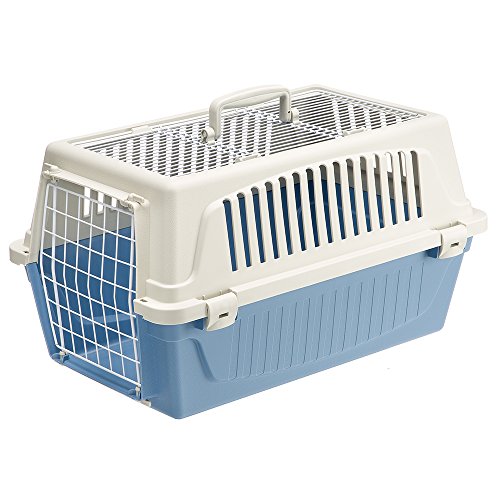
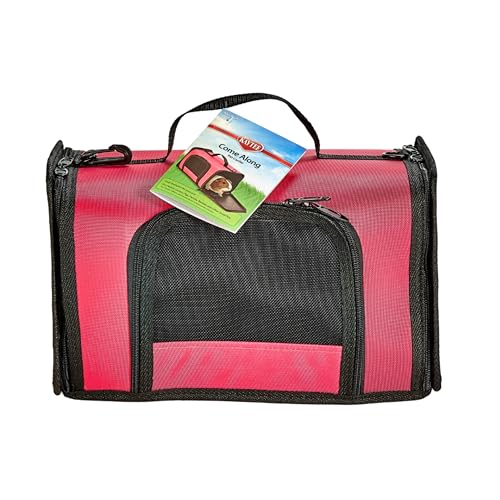
The best carrier for a chinchilla is a hard sided, well ventilated crate with a secure metal or wire door that a determined chewer cannot gnaw through. Chinchillas are small, delicate, and easily stressed, so you want a snug interior with a non slip floor, plenty of airflow on more than one side, and a top opening that lets you lift your chin in gently rather than chasing it through a narrow front door. Among the options we researched, a compact hard carrier such as the Kaytee Come Along or a rugged plastic and metal crate like the Ferplast Atlas covers most short trips and vet visits well.
Why It Matters
Chinchillas come from cool, dry mountain climates and cannot shed heat efficiently, so they can overheat when temperatures climb above roughly 25C (77F). A poorly ventilated or enclosed carrier can turn dangerous fast in a warm car or sunny spot. Stress is the other hidden risk: a frightened chinchilla may refuse food, and prolonged stress can contribute to serious health problems. The right carrier reduces both risks by keeping air moving and giving your chin a small, secure space where it feels hidden rather than exposed. If your chinchilla shows lasting appetite loss, lethargy, or breathing changes, contact an exotics vet promptly.
What to Look For
Prioritize ventilation on multiple sides, either wire mesh or generous slotted vents, so heat never builds up. Because chinchillas chew constantly, choose hard plastic with a metal door rather than soft fabric they can chew through in minutes. Look for a genuinely secure latch, since chins are escape artists, and pick a size that lets your pet stand and turn without so much empty space that it slides around in transit. A removable, wipe clean base helps with the inevitable mess, and a comfortable handle makes short walks steadier.
How We Chose
We compared widely available small animal and pet carriers against the specific needs of chinchillas: airflow, chew resistance, escape proofing, and a calm, appropriately sized interior. We did not lab test these carriers or subject animals to trials. Instead we weighed published specifications, materials, door and latch design, and manufacturer descriptions against exotic pet care guidance, then flagged the trade offs honestly so you can match a carrier to your own trip length and climate.
What to Avoid
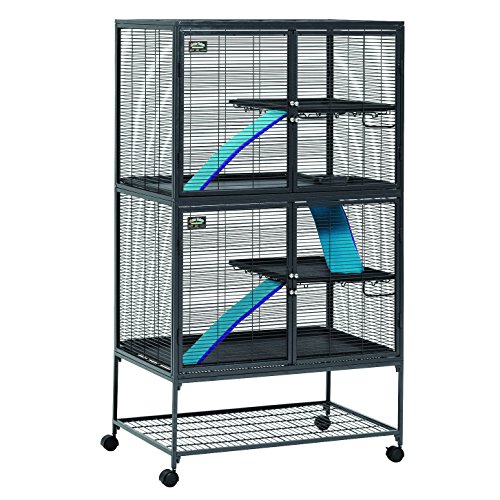
Skip soft sided fabric carriers, thin cardboard, and any crate with wide bar spacing your chinchilla could squeeze through or chew apart. Avoid oversized cat carriers where your chin will slide around, and never rely on loose wood shavings as bedding since they can be ingested. Most importantly, never leave a chinchilla in a warm or parked car, place the carrier in direct sun, or travel during the hottest part of the day. Keep journeys short, cool, and quiet, and bring a little familiar bedding plus a hide so your chin feels safe.