2026 Best Degus Carrier Reviewed: Reduce Travel Stress
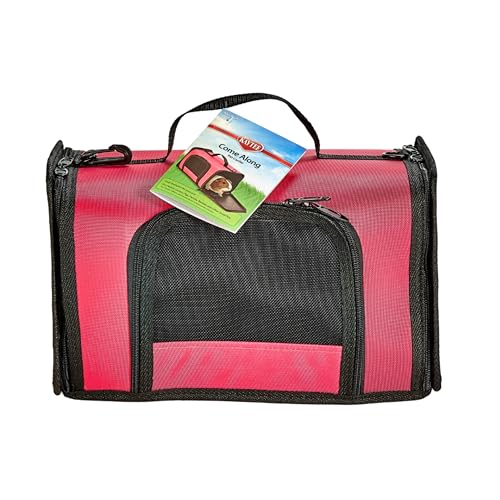
We found a carrier that helps degus feel secure during travel with a built in hideaway. The Kaytee Come Along Carrier Medium provides excellent ventilation to prevent heatstroke.
Some links below are affiliate links. If you buy through them we may earn a small commission at no extra cost to you. Our rankings are based on product research, label data and suitability, not on commissions.
Recommended number of degus per carrier (minimum space)
12-16 inches
Ideal carrier length for one degu
70-75°F
Safe temperature range during travel
85°F+
Dangerous temperature threshold (avoid)
⚡ Key takeaways
Our Favourite: Kaytee Come Along Carrier Medium. This carrier offers excellent ventilation with wire mesh panels, a solid leak-proof base,.
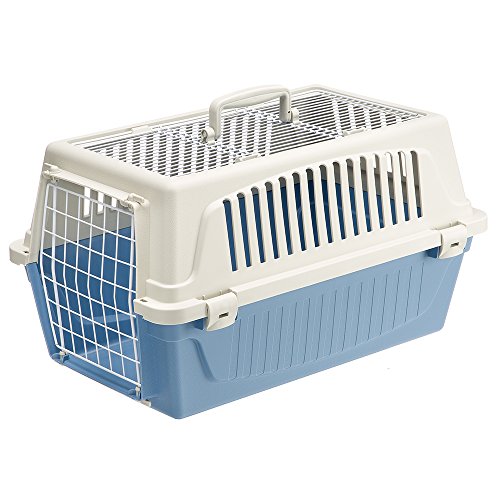
Best Quality: Ferplast Atlas Pet Carrier. Made from durable, chew-resistant plastic with a secure twist-lock door, this carrier feat.
Best on a Budget: Prevue Pet Products Small Animal Travel Carrier. An affordable, lightweight option with a wire top for airflow and a plastic base that is e.
Best for Fussy Ones: Living World Pet Carrier. This carrier features a dark, cozy interior with a removable, washable fleece liner that m.
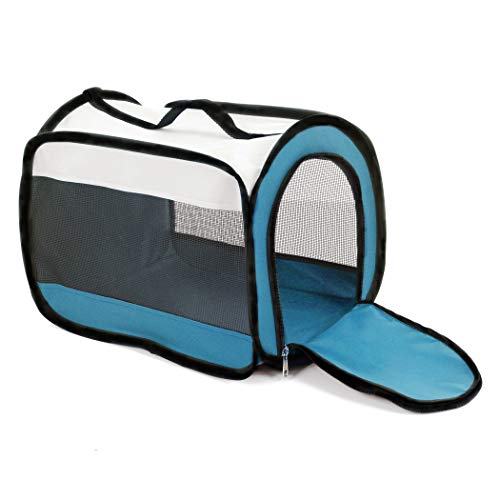
Runner-Up: Ware Manufacturing Twist-N-Go Carrier. A sturdy, chew-proof plastic carrier with a locking metal door and deep ventilation slots.
Choosing the right carrier for your degu can make travel less stressful and safer for this curious, social rodent. Degus are prone to overheating and anxiety, so a well-ventilated, secure carrier with hideaway options is essential for their well-being during trips to the vet or boarding.
Our editorial team researched carriers that accommodate degus’ need for burrowing, climbing, and chewing, while prioritizing escape-proof designs and easy cleaning. We found that carriers with solid floors, ample ventilation, and attachable bedding or hideouts best support degus’ natural behaviors and reduce travel stress.
Why this matters
We found that degus experience significant stress during travel, and carriers with a built-in hideaway or the ability to add a dark corner greatly reduce anxiety. Ventilation is the most critical factor to prevent heatstroke, as degus cannot pant or sweat effectively.
The Options
Types Explained
Plastic Carriers with Ventilation Slots
These carriers are lightweight, easy to clean, and offer good ventilation through side slots. They are often stackable and secure, but may require additional bedding for comfort.
Wire Mesh Carriers with Plastic Base
Featuring a metal wire top and a solid plastic base, these provide maximum airflow and visibility. However, degus may chew on the wire, so ensure the mesh is small enough to prevent escape.
Soft-Sided Carriers
Fabric carriers are not recommended for degus as they can chew through them quickly, leading to escape. They also offer poor ventilation and are hard to clean.
The Rankings
Top 5 Picks
#1
Our Favourite
Kaytee Come Along Carrier Medium
View on Amazon
This carrier offers excellent ventilation with wire mesh panels, a solid leak-proof base, and a secure locking door. The removable fleece liner provides comfort for degus, and the top-loading design reduces stress during entry and exit.
Made from durable, chew-resistant plastic with a secure twist-lock door, this carrier features a sliding grille for ventilation and a deep base to contain bedding. Its ergonomic handle makes transport easy, and the smooth interior prevents injury to degus.
An affordable, lightweight option with a wire top for airflow and a plastic base that is easy to clean. The front door opens fully for stress-free access, and the included water bottle holder helps keep degus hydrated during long trips.
This carrier features a dark, cozy interior with a removable, washable fleece liner that mimics a burrow, reducing stress for nervous degus. The top opening allows gentle handling, and the built-in hideaway compartment gives degus a sense of security.
A sturdy, chew-proof plastic carrier with a locking metal door and deep ventilation slots. The textured floor provides traction for degus, and the rimmed base prevents spillage of bedding or food. It stacks well for storage.
Degus are prone to heat stress, so choose a carrier with multiple ventilation points (mesh panels or slots) to ensure constant airflow. Avoid fully enclosed plastic carriers without vents.
02
Security and Escape-Proof Design
Degus are clever chewers and can squeeze through small gaps. Look for carriers with secure, lockable doors and no sharp edges. A solid base prevents escape through cracks.
03
Easy Cleaning
Degus produce urine with a strong odor, and carriers need frequent cleaning. Removable trays or washable liners make maintenance easier, reducing bacteria buildup.
04
Comfort and Hideaway Options
Degus feel safer with a dark hiding spot. Carriers with attachable hideouts, fleece liners, or a configuration that allows adding a small igloo can reduce travel anxiety.
05
Size and Weight Capacity
The carrier should be large enough for the degu to turn around and lie down, but not so large that they slide during transit. A carrier around 12-16 inches long is suitable for one or two degus.
06
Durability and Chew Resistance
Degus have strong teeth and may gnaw on carrier walls. Choose carriers made of thick plastic or metal mesh that can withstand chewing. Avoid thin, flimsy materials.
Living With It
Care, Cost and Maintenance
Pre-Trip Acclimation
Introduce the carrier to your degu several days before travel. Place familiar bedding and a favorite hideout inside to create a positive association. Let them explore it at their own pace.
Temperature Control
Degus are sensitive to heat; never leave the carrier in direct sunlight or a hot car. Use a cooling pad (wrapped in cloth) if needed, and ensure ventilation is unobstructed.
Hydration and Food
Provide a small water bottle attached to the carrier and offer hay or pellets for short trips. For longer journeys, stop every hour to check on your degu and offer water.
Bedding and Comfort
Line the carrier with a soft, absorbent bedding like fleece or paper-based bedding. Avoid cedar or pine shavings as they can cause respiratory issues. Add a small hideout or tunnel.
Cleaning After Use
Disassemble the carrier and wash all parts with mild soap and water. Rinse thoroughly to remove any residue. Dry completely before storage to prevent mold growth.
Pro tip
Our team suggests placing a small, heavy ceramic bowl or a chew toy inside the carrier to give your degu something to grip during bumps, preventing sliding and injury.
Frequently asked questions
Can I use a cat or small dog carrier for my degu?
Yes, as long as the bar spacing is less than 0.5 inches to prevent escape, and the carrier has good ventilation. However, many cat carriers have large gaps that degus can squeeze through, so check carefully.
What is the best way to secure the carrier in a car?
Place the carrier on the floor behind the passenger seat or on a seat secured with a seatbelt. Never put it in the trunk where ventilation is poor. Ensure the carrier cannot slide or tip over.
How often should I clean the carrier during a long trip?
If the trip is over 2 hours, check the carrier for wet spots or soiled bedding. Replace soiled bedding with fresh material to keep the degu dry and comfortable. Clean thoroughly after the trip.
Can I travel with multiple degus in one carrier?
Yes, if they are familiar with each other. Use a carrier large enough for both to move comfortably. Separate hideouts can help reduce conflict. Monitor them during the trip.
What should I do if my degu is panting or lethargic during travel?
Stop the vehicle immediately and move the carrier to a cool, shaded area. Offer water and lightly mist the degu's ears with cool (not cold) water. If symptoms persist, seek veterinary attention, as degus are prone to heatstroke.
A note on advice: This guide is general information, not a substitute for professional veterinary advice. Talk to your vet before changing your dog's diet or care routine, especially if your dog has allergies, kidney disease, pancreatitis, obesity, heart disease or any other medical condition.
Transparency
How we made this guide
How we chose. We compared the options on the factors that matter most for Small Pets, using manufacturer specifications, aggregated verified owner reviews and editorial comparison. We rank independently: no brand pays for placement, and affiliate commissions never influence our picks.
How it was written. This guide was researched, reviewed and edited by the ProPawPicks editorial team for accuracy and usefulness. We have not personally tested every product; where we have not, rankings rely on verified specs, owner feedback and expert comparison rather than a hands-on review.
Affiliate disclosure. ProPawPicks is reader-supported. If you buy through links on our site, we may earn a commission at no extra cost to you. See our affiliate disclosure.
Some links below are affiliate links. If you buy through them we may earn a small commission at no extra cost to you. Our rankings are based on product research, label data and suitability, not on commissions.