The Quick Answer
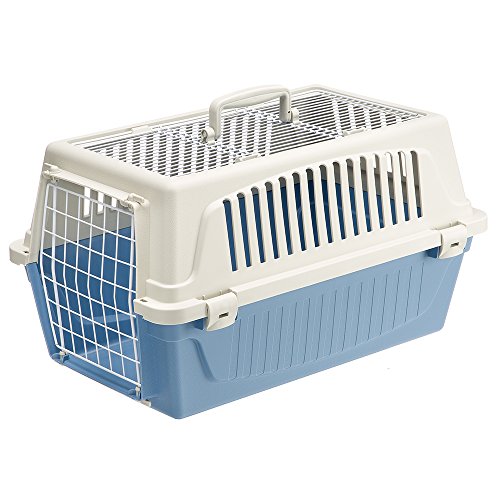
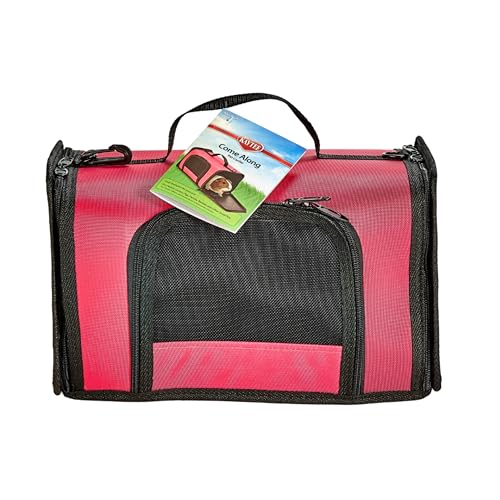
The best carrier for a dwarf hamster is a small, fully secure enclosure with a locking door, no gaps wider than about 0.4 inches, a solid floor, and good ventilation. Our overall pick is the Kaytee Come Along Carrier Medium, which pairs a tight 0.4 inch bar spacing with a secure front latch and a solid base. For short vet trips, a compact plastic carrier or a well ventilated wire and plastic model keeps a tiny, curious hamster contained without overheating it.
Why It Matters
Dwarf hamsters are tiny escape artists, and they are prey animals for whom travel is inherently stressful. A gap you would never notice is an open door to a hamster that can flatten itself and squeeze through. A carrier that latches loosely, has wire spacing meant for cats, or lacks airflow turns a routine vet run into a genuine emergency. The right carrier does two jobs at once: it holds your hamster securely and it lowers the stress of the journey.
What to Look For
Prioritize a locking or double latched door and bar spacing of 0.4 inches or less, since anything wider risks an escape. Choose a solid plastic or fabric floor rather than bare wire, which can injure delicate feet. Look for cross ventilation so the interior stays cool, and a size that is snug enough to stop your hamster sliding around yet large enough for a thin layer of familiar bedding and a small hide. A comfortable handle and a base you can wipe clean round out a practical pick.
How We Chose
This is an editorial guide, not a hands on lab test. We compared widely sold small animal carriers against the traits that matter most for dwarf hamsters: secure latching, gap free construction, ventilation, solid flooring, and portability. We read manufacturer specifications and owner feedback, then favored models with proven narrow bar spacing and honest limitations. Where a carrier is only suited to short single trips, such as disposable cardboard or soft sided fabric, we say so plainly rather than overselling it.
What to Avoid
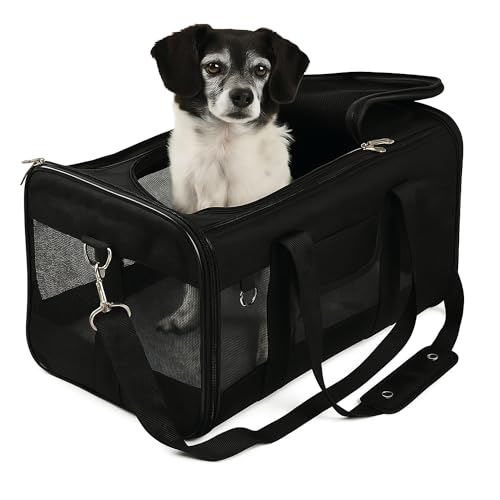
Skip cat and dog carriers with wide bars, wire floors that pinch feet, and any door that does not click firmly shut. Avoid loose cotton or fibrous bedding your hamster could ingest, and drip prone water bottles that can soak bedding and chill your pet. Keep journeys short, shield the carrier from direct sun and cold drafts, and never leave a hamster in a parked car. Because small pets hide illness well, have an exotics vet who sees hamsters and call ahead if your pet seems unwell before travel.