Quick answer
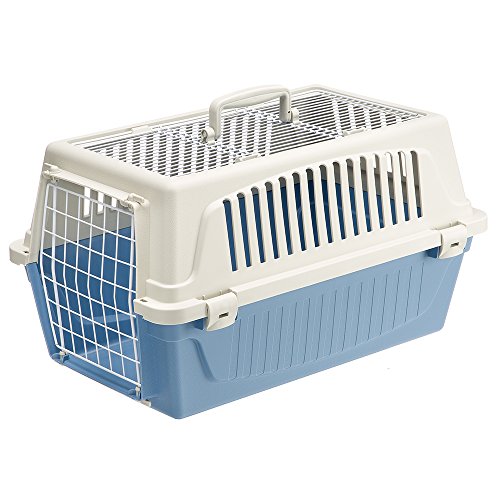
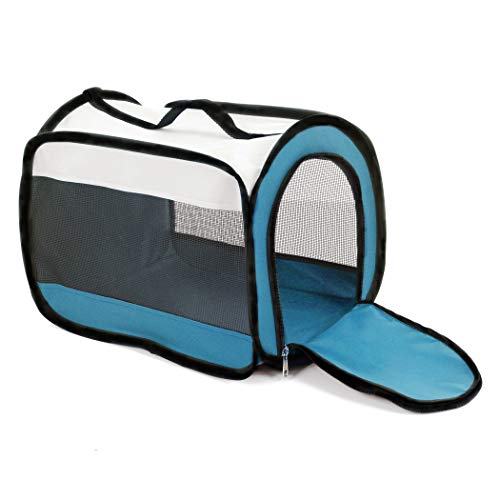
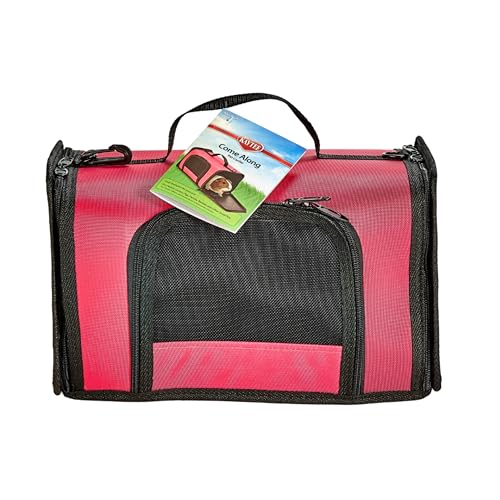
The best carrier for a guinea pig is a secure, well ventilated hard-sided box with a firm non-slip floor, sized snug so your pig feels held rather than tossed around. For most owners the Kaytee Come Along Carrier Medium is the easiest pick: ventilation on three sides, a locking wire door, top and side access, and a washable fleece pad. The Ferplast Atlas is the sturdier chew-proof choice, and the Prevue Playtop is the budget option.
Why the right carrier matters
Guinea pigs are prey animals, so travel feels genuinely frightening to them. A carrier that is too big lets a small pig slide and bump around, and a slippery plastic floor makes them scramble and can hurt their delicate feet. A snug carrier with a towel or fleece over the base gives grip and security. Most trips are short vet runs, so the goal is simple: secure, calm, and warm.
What to look for
Prioritize good airflow on more than one side, since guinea pigs overheat easily. Line the base with a familiar towel or fleece plus a handful of hay for grip and comfort. Pick a size that feels snug, roughly 17 to 19 inches long for one pig, not a cavernous cat crate. Look for a secure latch with no gaps, since pigs squeeze through surprising spaces, and a top opening so you can lift them without a hand rushing in from the front like a predator. Solid opaque sides help a pig feel hidden, while a removable washable pad keeps cleanup simple after an anxious trip. For longer journeys add a piece of vitamin-C veg such as bell pepper, and if you own a bonded pair choose a carrier that fits both so they can settle together.
How we chose
We compared widely sold small-animal carriers on ventilation, floor grip, latch security, snug sizing, and ease of cleaning, then matched each to a real use. The Kaytee wins on balanced ventilation and easy top access. The Ferplast Atlas earns the durability pick for chewers with its opaque sides that add a sense of hiding. The Prevue Playtop covers budget buyers, and dual-door models suit nervous pigs you need to reach without startling.
What to avoid
Skip oversized cat carriers with wide bar spacing that a pig can escape or slide inside. Avoid bare slippery bases, wire mesh floors that catch feet, and fully sealed boxes with poor airflow. Do not travel a lone pig if you have a bonded pair, since companions calm each other and reduce panic. Keep them out of direct sun and cold drafts, never leave a pig in a parked car that heats or cools fast, cover part of the carrier for security, and keep trips as short as you can. Resist the urge to open the carrier in a moving vehicle. For any illness or before a long journey, ask your veterinarian first.