Quick answer
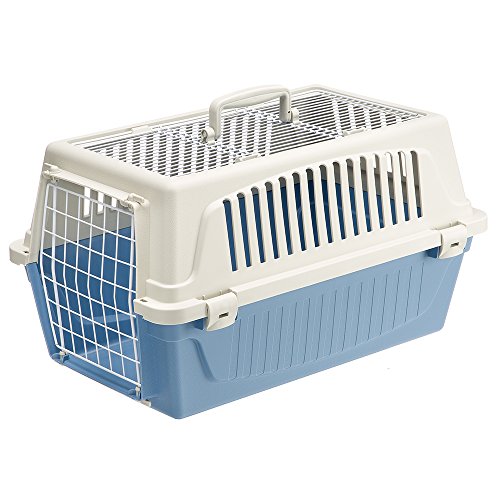
The best carrier for a hamster is small, escape-proof, well ventilated, and built from chew-resistant material. Our top pick is the Ioview Small Animal Carrier for its fine mesh, secure locking door, and cozy enclosed feel. For a sturdier hard shell, the Living World Pet Carrier and Ferplast Atlas Pet Carrier resist gnawing and hold shape on the road. The Prevue Small Animal Travel Carrier is a solid budget choice with a locking wire door.
Why the right carrier matters
Hamsters are tiny, quick, and remarkable escape artists that can squeeze through gaps far smaller than they look. A carrier meant for a cat or rabbit often has bars or vents wide enough for a hamster to slip out or get a head stuck. Hamsters also gnaw constantly, so thin plastic can be chewed through on a long trip, turning a small vent into an open door. Because they stress easily and are sensitive to heat and cold, the wrong carrier can leave a hamster panicked or overheated. The right one keeps your pet contained, gives steady airflow, and feels dark and den-like so a nervous hamster can burrow and settle.
What to look for
Prioritize a snug, latching door with no gap wider than about half an inch, plus small mesh or slim ventilation slots that airflow passes through but a nose cannot. Choose a hard, chew-resistant shell over soft fabric for anything beyond a quick hop to the car, and check that clips cannot be pushed open from inside. Keep the footprint small so your hamster is not thrown around, and line the floor with a layer of its own bedding, a small hide, and a little food so it can burrow and feel secure. A see-through top or window also lets you check on your pet without opening the door.
How we chose
We compared widely available small-animal carriers on the traits that matter most for hamsters: escape-proof latching, gap size, ventilation, chew resistance, interior size, ease of cleaning, and how stable each feels when carried. We favored enclosed, den-like designs over open wire cages, since a covered space calms a nervous hamster and blocks drafts. We cross-checked real owner feedback for reports of chewed corners or failed latches. We did not lab-test these units; picks reflect published specs and hands-on owner reports rather than any staged testing.
What to avoid
Skip wire cages and mesh bags with wide openings, flimsy clips that pop under pressure, and thin plastic a hamster can gnaw through. Avoid oversized carriers where a small hamster slides around, and tall ones it can climb and fall inside. Keep trips short and mostly limited to vet visits or moves. Keep the carrier warm but never hot, away from drafts, direct sun, and car heaters, since hamsters are very sensitive to temperature. Keep the space calm and quiet, and never leave a hamster in a carrier overnight.