Quick answer
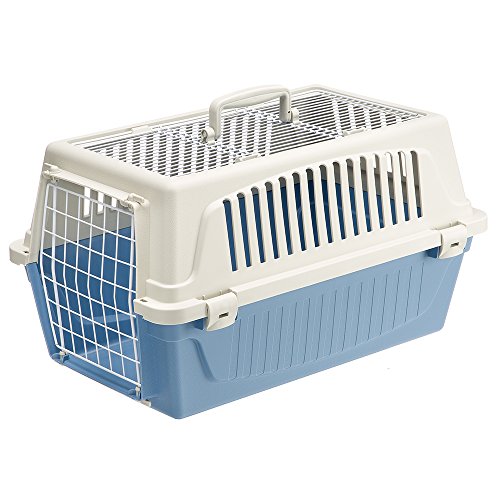
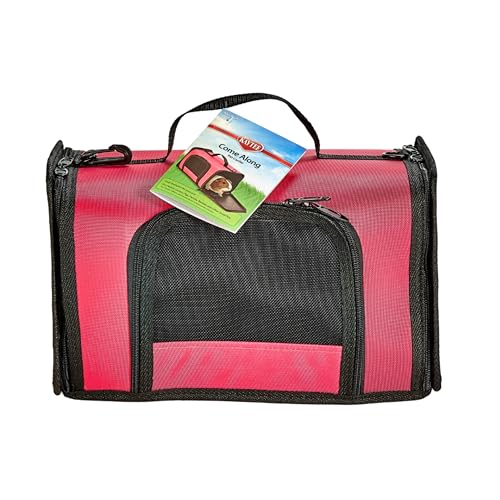
The best carrier for a pet rat is a secure, well ventilated small animal carrier with narrow bar gaps or fine mesh, a non-slip absorbent floor, and enough room for a rat or a bonded pair to turn and settle. Rats are clever escape artists that chew, so pick a chew resistant hard shell or wire cage rather than thin plastic. Our top pick for most owners is the Kaytee Come Along Carrier Medium for its ventilation, locking door and easy to wipe interior.
Why a secure ventilated carrier matters
Rats are intelligent, curious and surprisingly strong for their size. A gap you think is too small is often exactly the gap a rat will squeeze through, and a thin plastic wall is something they can gnaw over time. At the same time, rats are prone to heat stress and respiratory problems, so airflow is not optional. A good carrier balances both: openings wide enough to breathe freely but too narrow to escape, plus solid, chew resistant materials at every seam and latch.
What to look for
Prioritize a locking door that needs a deliberate two step action, since a simple flip latch will not hold a determined rat. Choose narrow bar spacing or fine mesh for ventilation without escape routes. Add a non-slip, absorbent floor lined with fleece or a towel so your rat is not sliding around during the drive. Size it so a rat, or ideally a bonded pair, can turn and lie down with a small hide or a handful of familiar smelling bedding inside for security. Finally, favor a removable, washable base so cleanup after an accident is quick.
How we chose
We focused on carriers built for small animals rather than repurposed cat or dog crates, which usually have bar spacing wide enough for a rat to slip out. We weighed ventilation, escape and chew resistance, floor grip, cleaning, and comfort for short trips such as vet visits. We looked at hard sided carriers, wire travel cages and soft carriers so there is a fit for nervous rats and for pairs, then compared real, widely available models on those points. We favored carriers with removable, washable bases, since easy cleaning after an accident matters on any trip, and we noted which models suit a single rat versus a bonded pair.
What to avoid
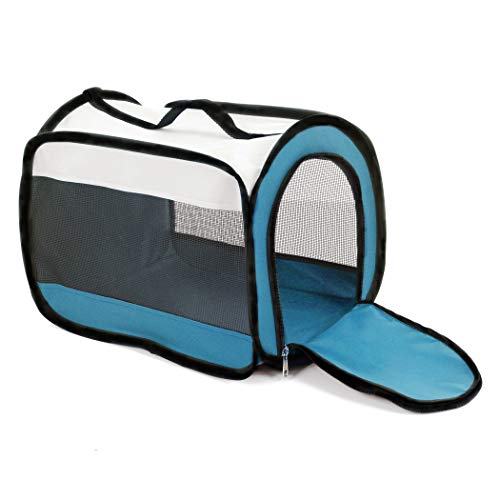
Skip thin, brittle plastic a rat can chew through and any carrier with gaps around the door or vents. Avoid wide barred cat carriers, and be cautious with zipper only soft carriers, since some rats learn to work a zipper open. Do not leave a carrier in direct sun or a hot parked car, keep trips short, and transport bonded rats together so they stay calmer. A carrier is for travel, not a home, so it does not need to be huge, just safe, secure and easy to keep cool and clean.