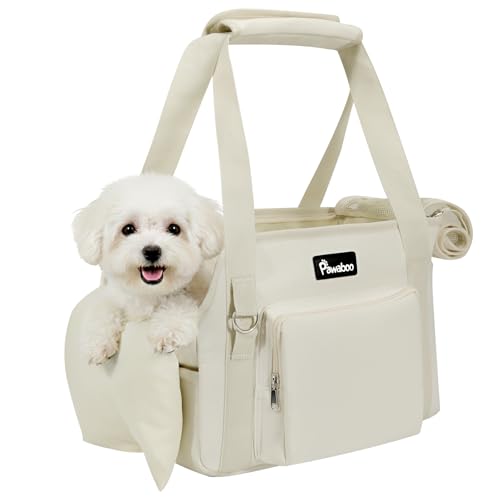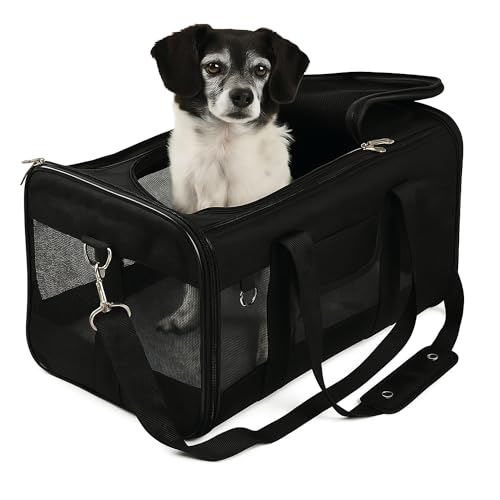
Quick Answer: The Best Carrier for a Sugar Glider in 2026
The best carrier for a sugar glider is a small, soft sided, well ventilated bag that stays dark inside and holds a fleece bonding pouch your glider can hide in. Because sugar gliders are tiny nocturnal marsupials that bond closely with their family, they feel safest tucked into a cozy pouch that smells like home. A secure zipper closure with no small gaps, mesh panels for airflow, and a compact interior that keeps your glider from sliding around are the features that matter most. Keep every trip short, quiet, and calm.
Why the Right Carrier Matters for Sugar Gliders
Sugar gliders are social, delicate animals that chill easily and stress quickly in bright, open, or noisy spaces. A carrier that traps warmth, blocks light, and cradles a soft pouch lets your glider settle instead of pacing or clinging to the mesh. Since gliders are highly social and are usually kept in pairs or groups, many owners travel two gliders together in one pouch, so the carrier needs enough room for a shared nest without feeling cavernous. The wrong bag, one that is too airy, too rigid, or too easy to escape, can turn a routine vet visit into a frightening ordeal.
What to Look For in a Sugar Glider Carrier
Prioritize an escape proof design with a secure, ideally lockable zipper and no loose seams, because gliders are agile and can slip through surprisingly small gaps. Look for mesh on more than one side for cross ventilation, a dark or coverable interior to mimic a tree hollow, and a removable fleece liner or space for a bonding pouch. A compact footprint keeps your glider cozy, while a seatbelt loop or shoulder strap keeps the carrier steady in a car. Lightweight, washable materials make cleanup and warmth control much easier.
How We Chose These Carriers
We compared soft sided carriers on the features that matter to a sugar glider owner: ventilation, security, interior darkness, pouch friendly sizing, and ease of cleaning. We favored designs with fine mesh, dependable zippers, and washable fleece, and we flagged where a product is technically made for cats or small dogs but adapts well with an added bonding pouch. We did not lab test these carriers on live animals. Instead, we weighed published specifications, materials, and design against the real needs of a nocturnal marsupial that hides to feel safe.
What to Avoid
Avoid wire cages, hard crates with wide bars, and any carrier with gaps a glider can wriggle through. Skip oversized bags that let a small glider slide and tumble, and steer clear of designs with only one small vent, which can overheat fast. Never leave a glider in a hot or cold car, never rely on direct heat sources that can burn, and do not use a carrier as a long term enclosure. Keep trips short and calm, and if your glider seems lethargic, refuses food, or shows any sign of illness, contact an exotics veterinarian rather than waiting.