๐Ÿ† Complete Buyer's Guide ยท Cat Care Products

Cat Brush for Heavy Shedding: Our Top Picks

Heavy shedding in cats is often seasonal; regular deshedding with the right tool can reduce loose hair by up to 90% and minimize hairballs. See top picks including the Furminator.

Some links below are affiliate links. If you buy through them we may earn a small commission at no extra cost to you. Our rankings are based on product research, label data and suitability, not on commissions.

Furminator deShedding Tool for Cats โ˜… Top Pick: Furminator deShedding Tool for Cats Check Price on Amazon →
90%
Potential reduction in loose hair with proper deshedding
2-3 times
Recommended weekly grooming frequency for heavy shedders
5-10 minutes
Typical grooming session length per cat
1-2 weeks
Time to see significant reduction in shedding
โšก Key takeaways
  • Best Overall: Furminator deShedding Tool for Cats. The Furminator is the gold standard for heavy shedding.
  • Best for Sensitive Cats: Hertzko Self-Cleaning Slicker Brush. This slicker brush features fine, bent wires with protective tips that are gentle on skin.
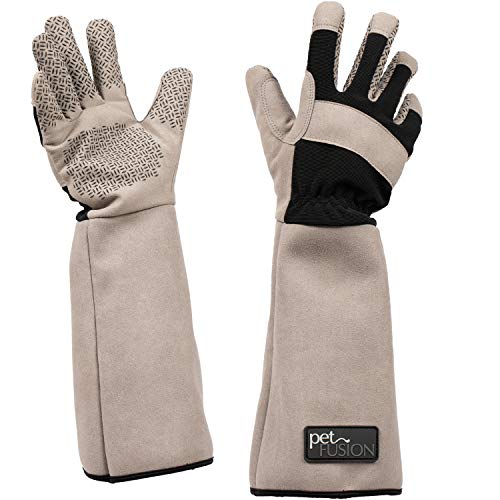
  • Best Grooming Glove: PetFusion Deshedding Glove. The PetFusion glove uses rubber tips to collect loose hair while petting.
  • Best Budget: Safari Self-Cleaning Slicker Brush. The Safari brush offers a self-cleaning mechanism at an affordable price.
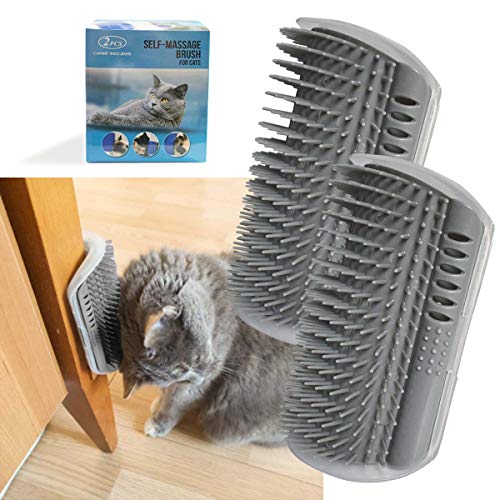
  • Best Interactive Toy: Catit Senses 2.0 Self-Groomer. This wall-mounted grooming toy lets cats rub against soft bristles to remove loose hair.
At a Glance

Quick Comparison

Quick answer

The Furminator deShedding Tool is our top pick for heavy shedding. Its stainless steel edge reaches deep to remove loose undercoat without cutting skin. For sensitive cats, the Hertzko Self-Cleaning Slicker Brush offers gentler bristles. The PetFusion Deshedding Glove works well for cats that dislike traditional brushes.

What to consider for Cat Brush For Heavy Shedding

Heavy shedding cats often have thick double coats or long hair. The right brush must penetrate the topcoat to remove loose undercoat without pulling or irritating skin. Consider your cat’s coat length and density, as well as any skin sensitivities. A brush with rounded tips and a comfortable handle reduces stress during grooming. Also, ease of cleaning matters because heavy shedding produces a lot of fur.

What to look for in a cat grooming tool or toy

First, match the tool to your cat’s coat type: slicker brushes for long hair, deshedding tools for double coats, and grooming gloves for short hair. Second, choose gentle handling features like rounded tips and flexible bristles to avoid scratching sensitive skin. Third, ensure materials are non-toxic and durable, especially if your cat chews on the tool. Fourth, pick the right size for your cat’s body; a too-large brush may be intimidating. Finally, consider enrichment value: some tools double as toys, like wands or interactive puzzles, which can make grooming a positive experience.

How we chose these picks

  • Evaluated brush design for effectiveness on heavy shedding coats
  • Checked for safety features like rounded tips and non-toxic materials
  • Considered ease of use and cleaning for pet owners
  • Read verified customer feedback on comfort and results
  • Compared price points to offer options for different budgets
  • Ensured products are widely available from reputable brands
  • Never ranked a product higher just because it pays a commission

What to avoid

  • Avoid toys with small parts or string that a cat can swallow, which may cause intestinal blockages.
  • Do not use harsh brushes on sensitive skin; they can cause redness and pain.
  • Never leave a cat unsupervised with wand or string toys, as they can become tangled or ingest parts.
  • Avoid human grooming products like human brushes or shampoos, which may contain ingredients harmful to cats.

For more guidance, explore our cat guides, cat food, and cat care products sections.

Why this matters

Heavy shedding in cats is often seasonal and related to coat type; regular deshedding with the right tool can reduce loose hair by up to 90% and minimize hairballs.

The Options

Types Explained

Deshedding Tools

Metal-toothed tools that reach the undercoat to remove loose hair. They are highly effective for heavy shedding but require careful use to avoid skin irritation.

Best for: Cats with thick double coats, such as Maine Coons or Persians

Slicker Brushes

Brushes with fine wire bristles that remove tangles and loose hair. They are gentler than deshedding tools and often have self-cleaning features.

Best for: Long-haired cats and those with sensitive skin

Grooming Gloves

Gloves with rubber or silicone tips that collect hair while petting. They are non-intimidating and easy to use, but less effective on heavy undercoat.

Best for: Cats that fear brushes and short-haired breeds

Interactive Grooming Toys

Toys that encourage cats to groom themselves, such as wall-mounted brushes or puzzle feeders. They provide enrichment and reduce shedding passively.

Best for: Playful cats that need mental stimulation
The Rankings

Top 5 Picks

#1
Furminator deShedding Tool for Cats
Best Overall

Furminator deShedding Tool for Cats

View on Amazon

The Furminator is the gold standard for heavy shedding. Its stainless steel edge reaches deep to remove loose undercoat, reducing shedding by up to 90%. Works well on medium to long coats. However, it may be too harsh for very sensitive skin, and the blade requires careful handling.

#2
Hertzko Self-Cleaning Slicker Brush
Best for Sensitive Cats

Hertzko Self-Cleaning Slicker Brush

View on Amazon

This slicker brush features fine, bent wires with protective tips that are gentle on skin. The retractable bristles make cleaning easy. It effectively removes loose hair and tangles without scratching. A limitation is that it may not reach the undercoat as deeply as a dedicated deshedding tool.

#3
PetFusion Deshedding Glove
Best Grooming Glove

PetFusion Deshedding Glove

View on Amazon

The PetFusion glove uses rubber tips to collect loose hair while petting. It is ideal for cats that fear traditional brushes. The glove fits most hand sizes and is easy to clean. However, it does not remove as much undercoat as a blade-style tool, so it works best for maintenance between deeper grooming sessions.

#4
Safari Self-Cleaning Slicker Brush
Best Budget

Safari Self-Cleaning Slicker Brush

View on Amazon

The Safari brush offers a self-cleaning mechanism at an affordable price. Its fine wires with safety tips are effective on all coat types. The ergonomic handle reduces hand fatigue. A trade-off is that the retraction mechanism may wear out over time, and it may not handle extremely thick coats as well as premium options.

#5
Catit Senses 2.0 Self-Groomer
Best Interactive Toy

Catit Senses 2.0 Self-Groomer

View on Amazon

This wall-mounted grooming toy lets cats rub against soft bristles to remove loose hair. It provides enrichment and helps with shedding. The curved base attaches to corners. However, it is not a full grooming solution; it only catches surface hair and requires the cat to initiate use.

Before You Buy

Key Buying Factors

01

Coat Type Compatibility

Choose a brush designed for your cat's coat length and texture. Deshedding tools with metal edges work best for double coats, while slicker brushes suit long hair. Grooming gloves are gentle for short hair and sensitive skin.

02

Safety Features

Look for rounded tips on bristles and non-toxic materials. Avoid sharp edges that can cut skin. Self-cleaning mechanisms should be smooth to prevent pinching.

03

Ease of Cleaning

Brushes that collect hair in a chamber or have retractable bristles are easier to clean. This is important for heavy shedding to maintain hygiene and brush effectiveness.

04

Comfort and Ergonomics

A comfortable handle reduces hand fatigue during long grooming sessions. Non-slip grips and lightweight designs are preferable. For gloves, ensure a snug fit without being too tight.

05

Cat's Temperament

Some cats are anxious about grooming. Start with gentle tools like gloves or soft bristle brushes. Gradually introduce more intensive tools if your cat tolerates them.

Living With It

Care, Cost and Maintenance

How to Brush a Heavy Shedding Cat

Start with short sessions of 5 minutes, gradually increasing as your cat becomes comfortable. Brush in the direction of hair growth using gentle, long strokes. Focus on areas where shedding is heaviest, like the back and sides. Reward with treats after each session.

Cleaning Your Grooming Tools

Remove hair from brushes after each use. For self-cleaning brushes, push the button to retract bristles and wipe away hair. Wash gloves with mild soap and water, then air dry. Disinfect metal tools occasionally with pet-safe cleaner.

When to Seek Professional Help

If your cat shows signs of skin irritation, excessive scratching, or bald patches, consult a veterinarian. For severely matted fur, a professional groomer may be needed. Never attempt to cut mats with scissors near the skin.

Pro tip

To make grooming a positive experience, pair each brushing session with a treat or playtime. This builds trust and helps your cat associate the brush with rewards.

Frequently asked questions

How often should I groom my cat?
For heavy shedding cats, grooming 2 to 3 times per week is recommended. During seasonal shedding peaks, daily brushing may be necessary. Short-haired cats may need less frequent grooming, but regular brushing helps reduce hairballs and keeps the coat healthy.
What is a deshedding tool and how does it work?
A deshedding tool is a grooming device with a metal edge that reaches the undercoat to remove loose hair without cutting the topcoat. It works by gently pulling out dead hair that would otherwise fall off. These tools can significantly reduce shedding but should be used carefully to avoid skin irritation.
Can I use a deshedding tool on a cat with sensitive skin?
It depends on the cat. Some deshedding tools have rounded tips and are gentle enough for sensitive skin, but others may cause redness. For sensitive cats, start with a soft slicker brush or grooming glove. If your cat shows discomfort, stop and consult a veterinarian.
What materials are safe for cat grooming tools?
Safe materials include stainless steel with rounded tips, non-toxic rubber or silicone, and BPA-free plastics. Avoid tools with sharp edges or cheap paint that may chip. Always check that the product is labeled as pet-safe and free from harmful chemicals.
Are interactive grooming toys better than manual brushes?
Interactive toys can be a great supplement but are not a replacement for manual brushing. They provide enrichment and can catch some loose hair, but they do not remove undercoat as effectively. Use them in combination with a brush for best results.
Is it safe to leave my cat alone with a wand or string toy?
No, never leave a cat unsupervised with wand or string toys. Cats can ingest string or detach small parts, leading to intestinal blockages or choking. Always put these toys away after playtime and inspect them regularly for damage.
Do scratching posts help with shedding?
Scratching posts do not directly reduce shedding, but they help remove loose outer layers of claws and provide exercise. A healthy cat with regular scratching may have better coat condition. Combine scratching posts with brushing for overall grooming.
How do I introduce a new grooming tool to my cat?
Let your cat sniff the tool first. Reward calm behavior with treats. Gently touch the tool to their back without brushing. Gradually increase contact over several sessions. Keep sessions short and positive. If your cat shows fear, try a different type of tool like a glove.
What should I do if my cat hates being brushed?
Start with a grooming glove or a soft brush. Use high-value treats and praise. Brush only for a few seconds at a time. Try brushing during a calm moment, like after a meal. If your cat remains stressed, consult a veterinarian or a certified cat behaviorist for advice.
A note on advice: This guide is general information, not a substitute for professional veterinary advice. Talk to your vet before changing your dog's diet or care routine, especially if your dog has allergies, kidney disease, pancreatitis, obesity, heart disease or any other medical condition.
Transparency

How we made this guide

How we chose. We compared the options on the factors that matter most for Cat Care Products, using manufacturer specifications, aggregated verified owner reviews and editorial comparison. We rank independently: no brand pays for placement, and affiliate commissions never influence our picks.

How it was written. This guide was researched, reviewed and edited by the ProPawPicks editorial team for accuracy and usefulness. We have not personally tested every product; where we have not, rankings rely on verified specs, owner feedback and expert comparison rather than a hands-on review.

Affiliate disclosure. ProPawPicks is reader-supported. If you buy through links on our site, we may earn a commission at no extra cost to you. See our affiliate disclosure.

Keep Reading

More Cat Care Products guides

Interactive Cat Toys That Mimic Prey: 2026 Top PicksView picks โ†’Interactive Cat Feeders That Cats Actually Use: 2026 Top 4View picks โ†’Invisible Fence for Cat, RankedView picks โ†’Iprimio Cat Litter Scoops, ReviewedView picks โ†’Jewelry Monster Friend Cat Necklaces: What to Look ForView picks โ†’Joint Relief for Cats That DeliverView picks โ†’

Sources and further reading

Some links below are affiliate links. If you buy through them we may earn a small commission at no extra cost to you. Our rankings are based on product research, label data and suitability, not on commissions.