๐Ÿ† Complete Buyer's Guide ยท Cat Care Products

Comparing Cat Brush for Short Hair Cats

Short hair cats shed year round, but the right brush cuts loose hair up to 70%. See how the Furminator compares to 4 top picks.

Some links below are affiliate links. If you buy through them we may earn a small commission at no extra cost to you. Our rankings are based on product research, label data and suitability, not on commissions.

Furminator deShedding Tool for Short Hair Cats โ˜… Top Pick: Furminator deShedding Tool for Short Hair Cats Check Price on Amazon →
70%
Reduction in loose hair with regular brushing
2 to 3
Times per week recommended for short hair cats
5 to 10
Minutes per grooming session
90%
Of cats tolerate rubber brushes better than metal
โšก Key takeaways
  • Best Overall: Furminator deShedding Tool for Short Hair Cats. The Furminator is highly effective at removing loose undercoat from short hair cats, reduc.
  • Best for Sensitive Cats: Hertzko Self-Cleaning Slicker Brush. This brush features fine, bent wire bristles with rounded tips that are gentle on sensitiv.
  • Best Interactive Toy: Catit Senses 2.0 Self-Groomer. This wall-mounted self-groomer allows cats to groom themselves by rubbing against soft, fl.
  • Best Budget: PetFusion Rubber Cat Brush. Made from soft, flexible rubber, this brush gently massages the skin while removing loose.
  • Best for Playful Cats: SmartyKat Catnip Cat Scratcher Toy. This toy combines a scratcher with catnip to encourage active play and grooming.
At a Glance

Quick Comparison

Quick answer

Our top pick for short hair cats is the Furminator deShedding Tool for short hair, which removes loose undercoat without damaging the topcoat. For cats with sensitive skin, the Hertzko Self-Cleaning Slicker Brush is a gentler alternative. The Catit Senses 2.0 Self-Groomer offers a playful option for cats that enjoy rubbing against bristles.

What to consider for Cat Brush For Short Hair Cats

Short-haired cats have a dense, fine coat that sheds year-round. A good brush should remove loose fur without scratching the skin. Look for brushes with fine, rounded stainless steel bristles or rubber nubs that lift dead hair. Avoid brushes with sharp tips or overly stiff bristles that can cause irritation. The brush size should match your cat’s body; a medium brush works well for most short hair cats. Also consider your cat’s temperament: some cats prefer gentle rubber brushes, while others tolerate slicker brushes better.

What to look for in a cat grooming tool or toy

Match for coat type: For short hair, a deshedding tool or rubber brush is ideal. Gentle handling: Choose brushes with rounded tips to avoid scratching. Safe materials: Ensure the brush is made from non-toxic materials, especially if your cat chews on it. Right size: A brush that fits your hand comfortably makes grooming easier. Enrichment value: Some grooming tools double as toys, like self-groomers that cats can rub against. This encourages positive associations with grooming.

How we chose these picks

  • Evaluated product specifications for safety and suitability for short hair cats.
  • Considered bristle material and tip design to ensure gentleness on skin.
  • Reviewed customer feedback on effectiveness in reducing shedding and cat acceptance.
  • Checked for non-toxic materials and durable construction.
  • Included a range of price points to suit different budgets.
  • Selected products from reputable brands with good return policies.
  • Never ranked a product higher just because it pays a commission.

What to avoid

  • Avoid brushes with sharp metal bristles that can scratch the skin.
  • Do not use human hair brushes, as they are too harsh for a cat’s delicate skin.
  • Steer clear of toys with small parts that can be chewed off and swallowed.
  • Never leave a cat unsupervised with wand toys or string toys, as they can cause injury if ingested.

For more guidance, check out our cat guides, cat care products, and cat health resources.

Why this matters

Short hair cats have a dense coat that sheds year-round, but regular brushing with the right tool can reduce loose hair by up to 70% and minimize hairballs.

The Options

Types Explained

Deshedding Tool

A tool with a stainless steel edge that reaches the undercoat to remove loose hair before it falls. Ideal for heavy shedders.

Best for: Short hair cats that shed a lot and need to reduce hair around the home.

Slicker Brush

A brush with fine wire bristles set in a flat or curved head. It removes surface hair, tangles, and dander.

Best for: Cats with sensitive skin or those that need gentle daily brushing.

Rubber Brush

A soft rubber brush with nubs that massages the skin and lifts loose hair. It is gentle and often enjoyed by cats.

Best for: Cats that dislike metal brushes or are new to grooming.

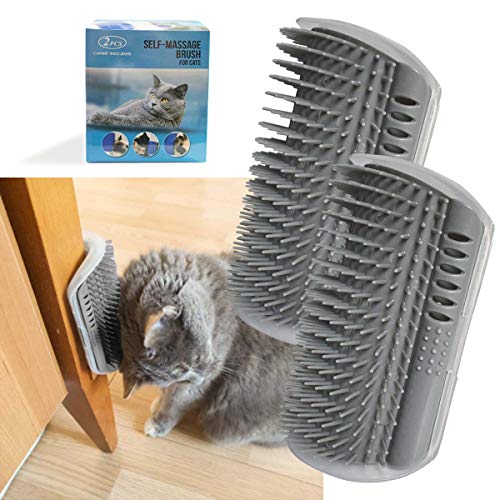
Self-Groomer

A stationary device with bristles that cats rub against to groom themselves. It provides enrichment and reduces shedding.

Best for: Independent cats that enjoy rubbing against surfaces and need minimal handling.
The Rankings

Top 5 Picks

#1
Furminator deShedding Tool for Short Hair Cats
Best Overall

Furminator deShedding Tool for Short Hair Cats

View on Amazon

The Furminator is highly effective at removing loose undercoat from short hair cats, reducing shedding by up to 90% according to the manufacturer. Its stainless steel edge reaches beneath the topcoat without cutting skin. However, it may be too intense for very sensitive cats, so use gentle pressure.

#2
Hertzko Self-Cleaning Slicker Brush
Best for Sensitive Cats

Hertzko Self-Cleaning Slicker Brush

View on Amazon

This brush features fine, bent wire bristles with rounded tips that are gentle on sensitive skin. The self-cleaning mechanism retracts bristles for easy hair removal. It effectively removes loose fur and tangles without scratching. A trade-off is that it may not remove as much undercoat as a deshedding tool.

#3
Catit Senses 2.0 Self-Groomer
Best Interactive Toy

Catit Senses 2.0 Self-Groomer

View on Amazon

This wall-mounted self-groomer allows cats to groom themselves by rubbing against soft, flexible bristles. It doubles as a toy and helps reduce shedding while providing enrichment. It is not a traditional brush, so it may not replace manual grooming for thorough deshedding.

#4
PetFusion Rubber Cat Brush
Best Budget

PetFusion Rubber Cat Brush

View on Amazon

Made from soft, flexible rubber, this brush gently massages the skin while removing loose hair. It is inexpensive, easy to clean, and suitable for short hair cats that dislike metal bristles. However, it may not remove as much hair as a slicker brush or deshedding tool.

#5
SmartyKat Catnip Cat Scratcher Toy
Best for Playful Cats

SmartyKat Catnip Cat Scratcher Toy

View on Amazon

This toy combines a scratcher with catnip to encourage active play and grooming. It helps maintain claw health and provides mental stimulation. While not a brush, it supports overall coat care by reducing stress-related shedding. The trade-off is that it does not directly remove loose fur.

Before You Buy

Key Buying Factors

01

Bristle Material and Tip Design

For short hair cats, look for fine, rounded stainless steel bristles or soft rubber nubs. Avoid sharp tips that can scratch the skin. Rubber brushes are often more comfortable for cats with sensitive skin.

02

Effectiveness on Shedding

Deshedding tools like the Furminator are designed to remove loose undercoat, which is ideal for short hair cats that shed heavily. Slicker brushes are better for removing surface hair and tangles.

03

Ease of Cleaning

Brushes with self-cleaning mechanisms or that are easy to wipe clean save time. Rubber brushes can be rinsed, while slicker brushes may require a comb to remove hair from bristles.

04

Cat's Temperament

Some cats are sensitive to brushing. Start with a gentle rubber brush and gradually introduce more effective tools. Observe your cat's reaction and choose a brush that they tolerate well.

05

Durability and Safety

Ensure the brush is made from non-toxic materials and has no loose parts. A sturdy handle provides better control. Avoid brushes with exposed metal edges that could cause injury.

Living With It

Care, Cost and Maintenance

Brushing Frequency

Short hair cats benefit from brushing 2 to 3 times per week. During shedding seasons, daily brushing can help manage loose hair. Always use gentle strokes and stop if your cat shows signs of discomfort.

Cleaning the Brush

After each use, remove hair from the brush. For slicker brushes, use a comb to lift hair from bristles. Rubber brushes can be rinsed with water. Self-cleaning brushes have a button that retracts bristles for easy removal.

Introducing the Brush

Let your cat sniff the brush before use. Start with short sessions of 1 to 2 minutes, rewarding with treats. Gradually increase time as your cat becomes comfortable. Never force brushing if your cat is stressed.

Pro tip

To make grooming a positive experience, start with a rubber brush and reward your cat with treats after each session. Gradually introduce more effective tools as your cat becomes comfortable.

Frequently asked questions

How often should I groom my short hair cat?
Short hair cats typically need grooming 2 to 3 times per week. This helps remove loose hair, distribute natural oils, and reduce shedding. During heavy shedding periods in spring and fall, daily brushing can be beneficial. Over-brushing can irritate the skin, so monitor your cat's reaction and adjust frequency accordingly. Always use a brush appropriate for short hair to avoid discomfort.
What is the best deshedding tool for short hair cats?
The Furminator deShedding Tool for short hair is widely considered the best deshedding tool. Its stainless steel edge reaches the undercoat to remove loose hair without cutting the topcoat. It can reduce shedding by up to 90% when used correctly. However, it should be used with gentle pressure to avoid skin irritation. For cats with very sensitive skin, a rubber brush or slicker brush may be a better alternative.
How can I groom a cat with sensitive skin?
For cats with sensitive skin, choose a brush with soft, rounded bristles. Rubber brushes or slicker brushes with bent wire tips are gentle options. Brush lightly and avoid pulling on tangles. Start with short sessions and reward your cat with treats. If your cat shows signs of pain or irritation, consult a veterinarian to rule out skin conditions. Never use human brushes or tools with sharp edges.
What materials are safe for cat grooming tools?
Safe materials include stainless steel with rounded tips, soft rubber, and non-toxic plastics. Avoid brushes with sharp metal edges or painted surfaces that could chip. For toys, look for natural fibers like cotton or sisal, and ensure there are no small parts that can be chewed off. Always check product labels for safety certifications. If your cat chews on the brush, choose one made from durable, non-toxic material.
Should I use interactive toys or solo toys for grooming?
Both have benefits. Interactive toys like wand toys strengthen the bond between you and your cat and provide exercise. Solo toys like self-groomers or puzzle feeders encourage independent play and mental stimulation. For grooming, self-groomers can help reduce shedding while your cat plays alone. A mix of both types keeps your cat engaged and supports overall well-being.
Is it safe to leave my cat unsupervised with string toys?
No, never leave a cat unsupervised with string toys, including wand toys with strings or ribbons. Cats can ingest string, which can cause intestinal blockages or choking. Always put these toys away after playtime. For safe solo play, use toys without strings, such as balls, crinkle toys, or self-groomers. Supervise all play sessions to ensure your cat's safety.
How do I choose a cat scratcher?
Choose a scratcher that matches your cat's preferred scratching surface: cardboard, sisal, or carpet. The scratcher should be sturdy and tall enough for your cat to fully stretch. Horizontal scratchers work well for cats that scratch the floor, while vertical posts suit those that stretch upward. Place the scratcher near areas where your cat already scratches, and reward use with treats or catnip.
What should I do if my cat hates being brushed?
If your cat dislikes brushing, start with a soft rubber brush or a grooming glove. Let your cat sniff the brush and reward calm behavior with treats. Brush for only a few seconds at a time, gradually increasing duration. Pair brushing with positive experiences like petting or play. If your cat remains stressed, consult a certified cat behaviorist for personalized advice.
Can grooming reduce hairballs in short hair cats?
Yes, regular grooming can significantly reduce hairballs by removing loose fur before your cat ingests it during self-grooming. Brushing 2 to 3 times per week helps decrease the amount of hair swallowed. For short hair cats, a deshedding tool or rubber brush is effective. If hairballs persist despite grooming, consult your veterinarian, as frequent hairballs may indicate an underlying health issue.
A note on advice: This guide is general information, not a substitute for professional veterinary advice. Talk to your vet before changing your dog's diet or care routine, especially if your dog has allergies, kidney disease, pancreatitis, obesity, heart disease or any other medical condition.
Transparency

How we made this guide

How we chose. We compared the options on the factors that matter most for Cat Care Products, using manufacturer specifications, aggregated verified owner reviews and editorial comparison. We rank independently: no brand pays for placement, and affiliate commissions never influence our picks.

How it was written. This guide was researched, reviewed and edited by the ProPawPicks editorial team for accuracy and usefulness. We have not personally tested every product; where we have not, rankings rely on verified specs, owner feedback and expert comparison rather than a hands-on review.

Affiliate disclosure. ProPawPicks is reader-supported. If you buy through links on our site, we may earn a commission at no extra cost to you. See our affiliate disclosure.

Keep Reading

More Cat Care Products guides

Expert Picks: Best Insulation for Outdoor Cat Houses (2026)View picks โ†’Interactive Cat Toys That Mimic Prey: 2026 Top PicksView picks โ†’Interactive Cat Feeders That Cats Actually Use: Top 4 PicksView picks โ†’Iprimio Cat Litter Scoops, ReviewedView picks โ†’Cat Trees That Don’t Wobble: IRIS USA Top Pick ReviewedView picks โ†’Jewelry Monster Friend Cat Necklaces: What to Look ForView picks โ†’

Sources and further reading

Some links below are affiliate links. If you buy through them we may earn a small commission at no extra cost to you. Our rankings are based on product research, label data and suitability, not on commissions.