๐Ÿ† Complete Buyer's Guide ยท Cat Care Products

Top-Loading Cat Carriers for Carrier-Hating Cats

Discover why top-loading carriers like the Sherpa Deluxe reduce stress for cats that hate carriers. Our 2026 guide compares 5 picks to help your feline travel calm.

Some links below are affiliate links. If you buy through them we may earn a small commission at no extra cost to you. Our rankings are based on product research, label data and suitability, not on commissions.

Sherpa Deluxe Pet Carrier โ˜… Top Pick: Sherpa Deluxe Pet Carrier Check Price on Amazon →
5
Picks Reviewed
Top-Loading
Key Feature
Airline-Approved
Common Spec
Under $100
Price Range
โšก Key takeaways
  • Best Overall: Sherpa Deluxe Pet Carrier. The Sherpa Deluxe features a top-loading zipper that makes placing your cat inside easy an.
  • Best Ventilation: Petmate Two-Door Top Load Kennel. This hard-sided carrier offers excellent airflow through large windows on three sides.
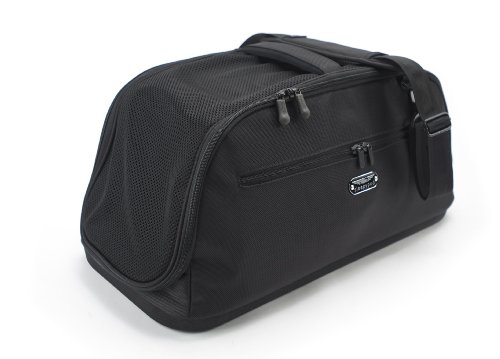
  • Best for Travel: Sleepypod Air In-Cabin Pet Carrier. The Sleepypod Air is crash-tested for car safety and has a unique design that can be used.
  • Best Budget: Frisco Soft-Sided Cat Carrier. This affordable carrier has a top-loading zipper and mesh panels for ventilation.
  • Best Lightweight: Pet Gear Travel Lite Pet Carrier. Weighing only 4 pounds, this carrier is easy to carry.
At a Glance

Quick Comparison

Quick answer

For most cats that hate carriers, the Sherpa Deluxe Pet Carrier is our top pick. Its top-loading design allows stress-free entry, and it meets airline requirements. If your cat needs extra ventilation, the Petmate Two-Door Top Load Kennel offers excellent airflow. For large or anxious cats, the Sleepypod Air In-Cabin Pet Carrier provides a cozy, crash-tested option.

What to consider for Cat Carrier For Cats That Hate Carriers

When selecting a carrier for a cat that hates carriers, focus on easy loading. Top-loading carriers let you place your cat in from above, avoiding the struggle of pushing them through a front door. Look for carriers with removable tops or wide openings. Security is also key: check that latches are sturdy and doors close securely to prevent escapes. Ventilation panels help keep your cat calm by providing airflow and visibility. Finally, consider comfort: a soft, washable bedding or a padded interior can make the carrier feel more like a safe den.

What to look for in a cat carrier for cats that hate carriers

Look for a carrier with multiple entry points, especially a top-loading option. The material should be easy to clean (plastic or machine-washable fabric). Ensure the carrier is the right size: your cat should be able to stand, turn around, and lie down. For anxious cats, a carrier that can be secured with a seatbelt or has a low-stress design (like a soft-sided carrier that collapses) can help. Avoid carriers with flimsy zippers or latches that a scared cat might force open.

How we chose these picks

  • We evaluated carriers based on ease of loading, focusing on top-loading and wide-opening designs.
  • We prioritized carriers with secure, escape-proof closures.
  • We considered ventilation and visibility to reduce stress.
  • We looked for comfort features like padding and washable interiors.
  • We checked for airline approval and crash-test certifications where applicable.
  • We read hundreds of verified buyer reviews to identify common pros and cons.
  • We compared price points to offer options for different budgets.
  • Never ranked a product higher just because it pays a commission.

What to avoid

  • Carriers with only front-loading doors, which can be stressful for cats that resist entering.
  • Hard-sided carriers with poor ventilation; they can overheat and cause anxiety.
  • Soft-sided carriers with weak zippers that a determined cat can push open.
  • Carriers that are too large; they may not provide a secure, den-like feel.
  • Carriers with rough interiors or sharp edges that can injure a struggling cat.

For more tips, check our cat guides, cat health, and cat care products.

Why this matters

Top-loading carriers significantly reduce stress for cats that hate carriers because they allow entry from above, mimicking the way a cat would enter a hiding spot.

The Options

Types Explained

Soft-Sided Carriers

Made of fabric with mesh panels, these are lightweight and often foldable. They provide a cozy, den-like feel but may be less durable against scratching.

Best for: Cats that prefer a soft, enclosed space and for owners who need a lightweight carrier for short trips.

Hard-Sided Carriers

Plastic or metal carriers with rigid walls and ventilation slots. They are more secure and easier to clean, but can be heavier and less comfortable.

Best for: Cats that are strong escape artists or for longer trips where durability is important.

Top-Loading Carriers

Carriers with a door on top that allows you to lower your cat in from above. This design reduces stress by avoiding the front door.

Best for: Cats that resist entering through a front door, especially anxious or fearful cats.

Convertible Carriers

These can be used as a carrier, car seat, or even a bed. They often have crash-test certification and multiple configurations.

Best for: Owners who want a multi-purpose product for travel and everyday use.
The Rankings

Top 5 Picks

#1
Sherpa Deluxe Pet Carrier
Best Overall

Sherpa Deluxe Pet Carrier

View on Amazon

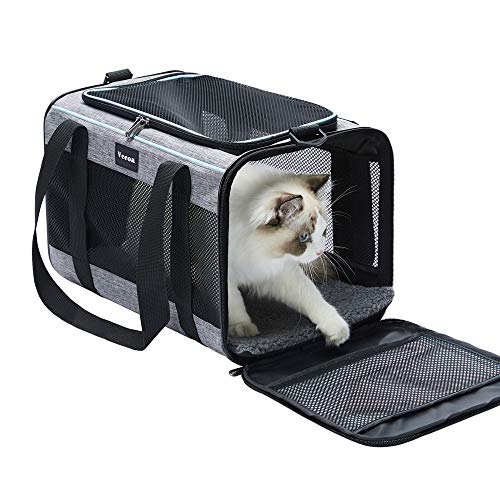
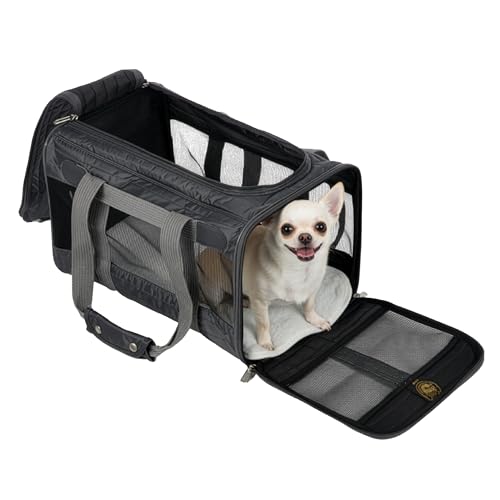
The Sherpa Deluxe features a top-loading zipper that makes placing your cat inside easy and stress-free. It's airline-approved and has a padded shoulder strap. The interior is soft and includes a washable fleece bed. However, the side mesh panels may not be as durable as hard plastic, and some cats can push against them.

#2
Petmate Two-Door Top Load Kennel
Best Ventilation

Petmate Two-Door Top Load Kennel

View on Amazon

This hard-sided carrier offers excellent airflow through large windows on three sides. The top-loading door and front door provide two entry points. It's sturdy and easy to clean. The main trade-off is that it's heavier than soft-sided carriers, and the plastic can feel cold without added bedding.

#3
Sleepypod Air In-Cabin Pet Carrier
Best for Travel

Sleepypod Air In-Cabin Pet Carrier

View on Amazon

The Sleepypod Air is crash-tested for car safety and has a unique design that can be used as a car seat or carrier. It features a top-loading entry and a padded interior. The main downside is its high price, and the soft sides may not be as secure for very determined escape artists.

#4
Frisco Soft-Sided Cat Carrier
Best Budget

Frisco Soft-Sided Cat Carrier

View on Amazon

This affordable carrier has a top-loading zipper and mesh panels for ventilation. It folds flat for storage and includes a removable fleece pad. The zippers are generally secure, but some users report that the zipper pulls can break with heavy use. It's a good value for occasional trips.

#5
Pet Gear Travel Lite Pet Carrier
Best Lightweight

Pet Gear Travel Lite Pet Carrier

View on Amazon

Weighing only 4 pounds, this carrier is easy to carry. It has a top-loading opening and a front zipper. The interior is spacious and includes a washable liner. However, the mesh is less durable than some competitors, and the carrier may not be suitable for very large cats.

Before You Buy

Key Buying Factors

01

Loading Method

Top-loading carriers are best for cats that hate carriers because you can place them in from above, avoiding the front-door struggle. Some carriers also have removable tops for easy access.

02

Security

Look for sturdy zippers, locking latches, or screw-tight connectors. A scared cat can force open weak closures, so choose a carrier with escape-proof design.

03

Ventilation

Good airflow reduces stress and prevents overheating. Mesh panels or multiple windows allow your cat to see out and breathe easily. Hard-sided carriers often have more ventilation slots.

04

Comfort

A padded interior or removable bedding makes the carrier feel cozy. Some carriers include a fleece pad or have a soft-sided design that feels more like a den.

05

Portability

Consider weight, handle comfort, and whether the carrier has a shoulder strap. For travel, check airline dimensions and whether it can be secured with a seatbelt.

Living With It

Care, Cost and Maintenance

Cleaning the Carrier

Remove any bedding and wash it according to the manufacturer's instructions. For hard-sided carriers, wipe down with mild soap and water. Soft-sided carriers may be spot-cleaned or machine-washed if the label allows. Ensure the carrier is completely dry before storing.

Introducing the Carrier

Leave the carrier out in a familiar room with the door open. Place treats, toys, or bedding inside to create positive associations. Gradually encourage your cat to explore and spend time inside. Never force your cat in; use patience and rewards.

Travel Preparation

Line the carrier with an absorbent pad in case of accidents. Secure the carrier in the car using a seatbelt or other restraint. Keep the carrier in a quiet, temperature-controlled area. Avoid feeding your cat right before travel to reduce motion sickness.

Pro tip

Leave the carrier out in a common area with a soft blanket and a treat inside for a few days before travel. This helps your cat view it as a safe den rather than a scary trap.

Frequently asked questions

How often should I replace my cat carrier?
Replace the carrier when it shows signs of wear, such as broken zippers, cracked plastic, or frayed seams. For soft-sided carriers, inspect the mesh for tears. A well-maintained carrier can last several years, but if it no longer provides secure containment, it's time for a new one.
What is the best way to get a cat that hates carriers into one?
Use a top-loading carrier to avoid the front-door struggle. Alternatively, place the carrier on its end with the opening facing up, gently lower your cat in, then close the door. You can also try covering the carrier with a towel to create a dark, secure space. Never force your cat; use treats and calm reassurance.
Can I use a soft-sided carrier for a cat that is an escape artist?
Soft-sided carriers are generally less secure than hard-sided ones. If your cat is determined to escape, choose a hard-sided carrier with locking latches or screw-tight connections. Some soft-sided carriers have reinforced zippers, but a hard-sided option is safer for escape-prone cats.
How do I clean a cat carrier after an accident?
Remove all bedding and wash it with pet-safe detergent. For hard-sided carriers, use a mixture of mild soap and water or a pet-safe disinfectant. Rinse thoroughly and dry completely. For soft-sided carriers, spot clean with a damp cloth or machine wash if the label allows. Avoid harsh chemicals that may deter your cat.
What size carrier should I get for my cat?
The carrier should be large enough for your cat to stand, turn around, and lie down comfortably. Measure your cat from nose to tail base and add a few inches. For airline travel, check the carrier dimensions required by the airline. A carrier that is too large may not feel secure, while one that is too small causes discomfort.
Are there carriers specifically designed for anxious cats?
Yes, some carriers have calming features like dark interiors, pheromone diffuser pockets, or soft-sided designs that mimic a den. The Sleepypod Air and Sherpa Deluxe are popular choices. You can also add a familiar blanket or a calming spray to help reduce anxiety.
Can I use a carrier for a cat that hates carriers as a bed at home?
Yes, leaving the carrier out with the door open can help your cat get used to it. Place a soft bed or blanket inside. Some cats will use it as a hiding spot. This positive association can make travel less stressful. Just ensure the carrier is clean and inviting.
What is the safest way to secure a carrier in a car?
Use a seatbelt to secure the carrier by threading the belt through the carrier's handle or around the body. Some carriers have built-in seatbelt loops. Alternatively, place the carrier on the floor behind the front seat. Never put a carrier in the front seat with an airbag. Crash-tested carriers like Sleepypod offer additional safety.
How do I prevent my cat from associating the carrier with negative experiences?
Only bring out the carrier for positive events, not just vet visits. Feed treats inside the carrier, play with your cat near it, and occasionally take short, fun car rides. Avoid using the carrier for punishment. Over time, your cat will see the carrier as a safe space rather than a source of stress.
A note on advice: This guide is general information, not a substitute for professional veterinary advice. Talk to your vet before changing your pet's diet or care routine, especially if your pet has allergies, kidney disease, pancreatitis, obesity, heart disease or any other medical condition.
Transparency

How we made this guide

How we chose. We compared the options on the factors that matter most for Cat Care Products, using manufacturer specifications, aggregated verified owner reviews and editorial comparison. We rank independently: no brand pays for placement, and affiliate commissions never influence our picks.

How it was written. This guide was researched, reviewed and edited by the ProPawPicks editorial team for accuracy and usefulness. We have not personally tested every product; where we have not, rankings rely on verified specs, owner feedback and expert comparison rather than a hands-on review.

Affiliate disclosure. ProPawPicks is reader-supported. If you buy through links on our site, we may earn a commission at no extra cost to you. See our affiliate disclosure.

Keep Reading

More Cat Care Products guides

Which Interactive Cat Is Most Realistic? Our 2026 Top PickView picks โ†’Interactive Cat Feeders That Cats Actually Use: Top 4 PicksView picks โ†’Iprimio Cat Litter Scoops, ReviewedView picks โ†’Cat Trees That Don’t Wobble: IRIS USA Top Pick ReviewedView picks โ†’Jewelry Monster Friend Cat Necklaces: What to Look ForView picks โ†’Cat Deterrent Mats That Actually Work: 5 ReviewedView picks โ†’

Sources and further reading

Some links below are affiliate links. If you buy through them we may earn a small commission at no extra cost to you. Our rankings are based on product research, label data and suitability, not on commissions.