๐Ÿ† Complete Buyer's Guide ยท Cat Care Products

Travel-Friendly Cat Deshedding Tools: Top 5 for 2026

Find the best lightweight deshedding tool for travel, under 6 ounces and bag-friendly. Our top pick is the Furminator deShedding Tool for Cats, ideal for coat care on the go.

Some links below are affiliate links. If you buy through them we may earn a small commission at no extra cost to you. Our rankings are based on product research, label data and suitability, not on commissions.

Furminator deShedding Tool for Cats (Small) โ˜… Top Pick: Furminator deShedding Tool for Cats (Small) Check Price on Amazon →
90%
Reduction in loose fur with regular use
5 oz
Average weight of travel-friendly deshedding tools
2x
More effective than standard brushes at removing undercoat
1 min
Time to clean most self-cleaning brushes
โšก Key takeaways
  • Best Overall: Furminator deShedding Tool for Cats (Small). The Furminator is the gold standard for deshedding, effectively removing loose undercoat f.
  • Best for Sensitive Cats: Hertzko Self-Cleaning Slicker Brush. This brush features fine, bent wire bristles with rounded tips that gently remove loose fu.
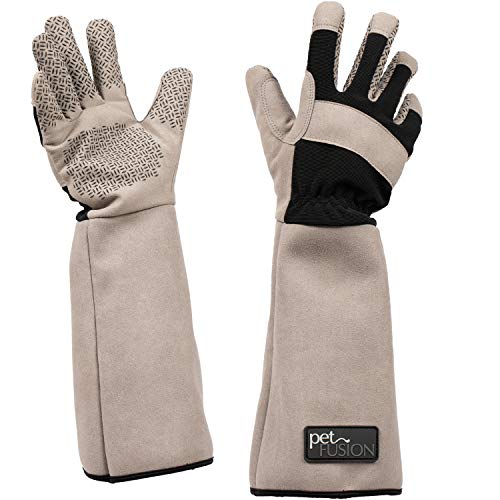
  • Best Interactive Tool: PetFusion Grooming Glove. The grooming glove has soft silicone tips that attract loose fur while providing a soothin.
  • Best Budget: Safari Cat Deshedding Tool. The Safari deshedding tool offers a similar design to the Furminator at a lower price poin.
  • Best Design: Hepper Cat Deshedding Brush. This brush combines a deshedding blade with a slicker brush on two sides, offering versati.
At a Glance

Quick Comparison

Quick answer

The best cat deshedding tool for travel is the Furminator deShedding Tool for Cats (small size). It effectively removes loose undercoat fur, fits easily in a bag, and works on short to medium hair. For cats with sensitive skin, the Hertzko Self-Cleaning Slicker Brush is a gentler alternative. If you prefer a glove-style tool, the PetFusion Grooming Glove offers convenience and a massage effect.

What to consider for Cat Deshedding Tool For Travel

When choosing a deshedding tool for travel, portability is key. Look for compact, lightweight designs that pack easily. Consider your cat’s coat type: short-haired cats need a fine-toothed tool, while long-haired cats benefit from wider teeth. The tool should be gentle to avoid skin irritation, especially during frequent grooming sessions. Also, opt for models with easy-clean features, such as self-cleaning buttons or removable heads, to maintain hygiene on the go.

What to look for in a cat grooming tool or toy

Match the tool to your cat’s coat type: fine teeth for short hair, wider for long hair. Choose gentle materials like rounded stainless steel tips or soft silicone to protect sensitive skin. Ensure all materials are non-toxic and free from sharp edges. The size should be appropriate for your cat and easy to hold. For enrichment, consider tools that mimic petting or provide a massage, which can reduce stress during travel.

How we chose these picks

  • Evaluated product specifications for portability, weight, and dimensions.
  • Checked customer feedback for ease of use and effectiveness on various coat types.
  • Compared safety features, including rounded tips and non-slip handles.
  • Assessed cleaning mechanisms for convenience during travel.
  • Considered brand reputation and warranty.
  • Focused on tools suitable for both short and long-haired cats.
  • Never ranked a product higher just because it pays a commission.

What to avoid

  • Avoid toys with small parts or strings that a cat can swallow, such as loose eyes or ribbons.
  • Do not use harsh brushes with sharp metal bristles on sensitive skin; they can cause scratches or irritation.
  • Never leave a cat unsupervised with wand or string toys, as they can become tangled or ingest parts.
  • Steer clear of human grooming products like hairbrushes, which are not designed for feline fur and may cause discomfort.

For more cat care tips, check out our cat guides, cat food, and cat health resources.

Why this matters

A travel-friendly deshedding tool should weigh under 6 ounces and fit in a standard toiletry bag, making it easy to maintain your cat's coat health on trips without sacrificing luggage space.

The Options

Types Explained

Deshedding Brush

A tool with a metal edge or teeth designed to reach the undercoat and remove loose fur before it sheds. Ideal for reducing shedding significantly.

Best for: Cats with moderate to heavy shedding, especially short to medium hair.

Slicker Brush

A brush with fine wire bristles that removes loose fur and detangles. Often has a self-cleaning button for easy fur removal.

Best for: Cats with sensitive skin or those that dislike metal edges; good for daily grooming.

Grooming Glove

A glove with silicone or rubber nubs that attract fur while mimicking petting. Many cats enjoy the massage sensation.

Best for: Cats that are nervous about brushes; excellent for bonding and gentle deshedding.

Combination Tool

A dual-sided tool that combines a deshedding blade and a brush or comb in one. Saves space and offers versatility.

Best for: Travelers who want a single tool for multiple grooming needs.
The Rankings

Top 5 Picks

#1
Furminator deShedding Tool for Cats (Small)
Best Overall

Furminator deShedding Tool for Cats (Small)

View on Amazon

The Furminator is the gold standard for deshedding, effectively removing loose undercoat fur to reduce shedding by up to 90%. Its small size is travel-friendly, and the stainless steel edge reaches deep without cutting skin. However, it may be too sharp for cats with very sensitive skin, and the price is higher than some alternatives.

#2
Hertzko Self-Cleaning Slicker Brush
Best for Sensitive Cats

Hertzko Self-Cleaning Slicker Brush

View on Amazon

This brush features fine, bent wire bristles with rounded tips that gently remove loose fur and tangles without scratching. The self-cleaning mechanism retracts bristles for easy fur removal, making it ideal for travel. A trade-off is that it may not remove as much undercoat as a dedicated deshedding tool, and the handle could be more ergonomic.

#3
PetFusion Grooming Glove
Best Interactive Tool

PetFusion Grooming Glove

View on Amazon

The grooming glove has soft silicone tips that attract loose fur while providing a soothing massage, which many cats enjoy. It is easy to pack and can be used during petting sessions. However, it collects fur on the glove surface, requiring frequent hand cleaning, and may not be as effective on long-haired cats with heavy undercoats.

#4
Safari Cat Deshedding Tool
Best Budget

Safari Cat Deshedding Tool

View on Amazon

The Safari deshedding tool offers a similar design to the Furminator at a lower price point. It has a stainless steel blade and a comfortable handle, effectively reducing shedding. It works well on short to medium hair. The main limitation is that the blade may dull faster than premium brands, and it lacks a self-cleaning feature.

#5
Hepper Cat Deshedding Brush
Best Design

Hepper Cat Deshedding Brush

View on Amazon

This brush combines a deshedding blade with a slicker brush on two sides, offering versatility in one tool. The ergonomic handle and non-slip grip make it easy to use during travel. However, the dual-sided design can be bulky for small bags, and the deshedding edge may be less effective than dedicated tools on thick coats.

Before You Buy

Key Buying Factors

01

Portability

Look for compact, lightweight tools that fit easily in a carry-on or tote. Some brushes come with travel cases or have foldable handles.

02

Coat Type Compatibility

Short-haired cats require fine-toothed tools, while long-haired cats need wider teeth or dual-sided brushes. Ensure the tool matches your cat's fur length and density.

03

Gentleness

Rounded tips and flexible bristles prevent skin irritation. Avoid tools with sharp edges or hard plastic that can scratch or cause discomfort.

04

Ease of Cleaning

Self-cleaning mechanisms, such as retractable bristles or ejector buttons, make it easy to remove fur on the go. Some tools are dishwasher safe.

05

Durability

Stainless steel blades and sturdy handles last longer. Check for rust-resistant materials and solid construction, especially if traveling to humid environments.

Living With It

Care, Cost and Maintenance

Cleaning Your Deshedding Tool

After each use, remove trapped fur with the self-cleaning mechanism or a comb. Wash removable parts with mild soap and water, then dry thoroughly. Avoid soaking the handle if it is not waterproof.

When to Replace the Tool

Replace deshedding tools when the blade becomes dull or bent, which can cause pulling or discomfort. Slicker brushes should be replaced if bristles are bent or broken. Typically, tools last 6 to 12 months with regular use.

Storing While Traveling

Store the tool in a protective case or pouch to prevent damage to bristles or blades. Keep it in a separate compartment away from liquids or heavy items that could deform it.

Pro tip

Pack a grooming glove as a backup: it doubles as a petting tool and can be used to remove loose fur from car seats or hotel bedding in a pinch.

Frequently asked questions

How often should I groom my cat?
For most cats, grooming 2 to 3 times per week is sufficient to reduce shedding and prevent mats. During heavy shedding seasons (spring and fall), daily grooming may be beneficial. Long-haired cats may require more frequent sessions to avoid tangles. Always observe your cat's comfort level and adjust accordingly.
Are deshedding tools safe for cats?
Yes, when used correctly. Choose tools with rounded tips and avoid applying too much pressure. Deshedding tools are designed to remove loose undercoat without cutting the skin. However, they should not be used on irritated or injured skin. If your cat shows signs of discomfort, stop and consult a veterinarian.
Can I use a deshedding tool on a cat with sensitive skin?
Yes, but choose a gentle tool like a slicker brush with fine, rounded wire bristles or a grooming glove. Avoid metal deshedding edges if your cat flinches or has a history of skin issues. Start with light strokes and monitor your cat's reaction. If redness or irritation occurs, discontinue use and seek veterinary advice.
What materials are safe for cat grooming tools?
Safe materials include stainless steel with rounded tips, silicone, and soft rubber. Ensure that any plastic parts are BPA-free and non-toxic. Avoid tools with sharp edges, loose parts, or paint that could chip. Always check for certifications or manufacturer safety statements.
What is the difference between interactive and solo cat toys?
Interactive toys require you to play with your cat, such as wand toys or laser pointers, which strengthen your bond and provide exercise. Solo toys, like puzzle feeders or catnip mice, allow independent play. Both are important: interactive play satisfies hunting instincts, while solo toys prevent boredom when you are away.
Is it safe to leave my cat unsupervised with a wand toy?
No, never leave a cat unsupervised with a wand toy. The string or attachments can become tangled around your cat's neck or limbs, or be ingested, causing intestinal blockages. Always store wand toys out of reach after play and inspect them for damage regularly.
How do I choose a safe cat scratcher?
Choose a scratcher made from sturdy materials like sisal, cardboard, or carpet. Ensure it is stable and won't tip over during use. Avoid scratchers with dangling toys that could be chewed off. Place the scratcher in a location your cat already frequents, and reward use with treats.
Can grooming help reduce hairballs?
Yes, regular grooming removes loose fur that your cat would otherwise ingest while self-grooming, reducing hairball formation. Deshedding tools are particularly effective at removing undercoat fur. Combined with a hairball control diet, grooming can significantly minimize hairball issues.
How do I introduce a new grooming tool to my cat?
Start by letting your cat sniff the tool while offering treats. Gently stroke the tool along your cat's back without applying pressure. Keep sessions short (1 to 2 minutes) and positive. Gradually increase duration as your cat becomes comfortable. If your cat shows fear, try a different type of tool, like a grooming glove.
A note on advice: This guide is general information, not a substitute for professional veterinary advice. Talk to your vet before changing your pet's diet or care routine, especially if your pet has allergies, kidney disease, pancreatitis, obesity, heart disease or any other medical condition.
Transparency

How we made this guide

How we chose. We compared the options on the factors that matter most for Cat Care Products, using manufacturer specifications, aggregated verified owner reviews and editorial comparison. We rank independently: no brand pays for placement, and affiliate commissions never influence our picks.

How it was written. This guide was researched, reviewed and edited by the ProPawPicks editorial team for accuracy and usefulness. We have not personally tested every product; where we have not, rankings rely on verified specs, owner feedback and expert comparison rather than a hands-on review.

Affiliate disclosure. ProPawPicks is reader-supported. If you buy through links on our site, we may earn a commission at no extra cost to you. See our affiliate disclosure.

Keep Reading

More Cat Care Products guides

Which Interactive Cat Is Most Realistic? Our 2026 Top PickView picks โ†’Interactive Cat Feeders That Cats Actually Use: Top 4 PicksView picks โ†’Cat Trees That Don’t Wobble: IRIS USA Top Pick ReviewedView picks โ†’Jewelry Monster Friend Cat Necklaces: What to Look ForView picks โ†’Experts Pick: Johnson’s Baby Shampoos (Not for Cats)View picks โ†’Joint Relief for Cats That DeliverView picks โ†’

Sources and further reading

Some links below are affiliate links. If you buy through them we may earn a small commission at no extra cost to you. Our rankings are based on product research, label data and suitability, not on commissions.