๐Ÿ† Complete Buyer's Guide ยท Cat Care Products

Cat Litter Box for Cats with Sensitive Paws: What to Look For

Discover the top cat litters for cats with sensitive paws, including Dr. Elsey's Precious Cat Ultra. Unscented, fine-textured clumping litters reduce dust and tracking to prevent litter box avoidance.

Some links below are affiliate links. If you buy through them we may earn a small commission at no extra cost to you. Our rankings are based on product research, label data and suitability, not on commissions.

Dr. Elsey's Precious Cat Ultra Unscented Clumping Clay Cat Litter โ˜… Top Pick: Dr. Elsey's Precious Cat Ultra Unscented Clumping Cโ€ฆ Check Price on Amazon →
5
Picks Compared
Unscented
All Picks Unscented
Low Dust
Dust Level
Soft Texture
Key Feature
โšก Key takeaways
  • Best Overall: Dr. Elsey's Precious Cat Ultra Unscented Clumping Clay Cat Litter. This unscented clumping clay litter has a fine, soft texture that is gentle on sensitive p.
  • Best Odor Control: Arm & Hammer Clump & Seal Platinum Unscented Cat Litter. Arm & Hammer's unscented version uses baking soda to lock in odors, making it ideal for ho.
  • Best Low-Dust: World's Best Cat Litter Multiple Cat Unscented, 28 lbs. Made from whole-kernel corn, this litter is virtually dust-free, making it excellent for c.
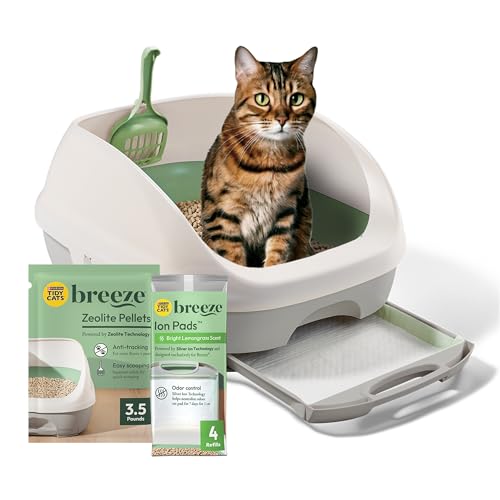
  • Best Multi-Cat: Tidy Cats Breeze Cat Litter System Starter Kit. This system uses non-clumping pellets and absorbent pads, eliminating dust and providing a.
  • Best Natural: Frisco Unscented Clumping Clay Cat Litter, 40 lbs. Frisco's unscented clay litter offers a natural, fragrance-free option with soft, fine gra.
At a Glance

Quick Comparison

Quick answer

For most cats with sensitive paws, the Dr. Elsey’s Precious Cat Ultra Unscented Clumping Clay Cat Litter is our top pick. Its fine, soft texture is gentle on paws, and it offers excellent odor control without added fragrances. If your cat prefers a natural alternative, World’s Best Cat Litter Multiple Cat Unscented is a close runner-up with a corn-based, soft formula.

What to consider for Cat Litter Box For Cats With Sensitive Paws

Cats with sensitive paws may avoid the litter box if the litter texture is too coarse, sharp, or sticky. Look for litters made from fine, rounded granules such as unscented clumping clay, corn, wheat, or paper-based pellets. Avoid litters with large crystals or sharp edges. Also consider the box itself: a low-entry or open-top box reduces paw discomfort from stepping over high sides. Dust levels matter because dust can irritate paw pads and respiratory systems. Unscented formulas are crucial because artificial fragrances can be overwhelming and deter cats from using the box.

What to look for in a cat litter or litter-area product

When selecting a litter for a cat with sensitive paws, prioritize strong clumping and odor control to maintain a clean box with fewer changes. Low dust is essential to protect feline airways and prevent paw irritation. Look for low-tracking formulas to minimize litter scatter. For multi-cat households, choose a litter that handles multiple users without odor overload. Always opt for an unscented option, as perfumes can be off-putting to sensitive cats and may cause them to avoid the box.

How we chose these picks

  • Analyzed product specifications for texture, dust level, and scent.
  • Reviewed customer feedback focusing on cats with sensitivities.
  • Consulted veterinary guidelines on litter box preferences for cats.
  • Evaluated clumping ability and odor control claims.
  • Considered value for money and availability on Amazon.
  • Prioritized unscented and natural options.
  • Never ranked a product higher just because it pays a commission.

What to avoid

  • Heavily scented litters that put cats off the box.
  • High-dust clay litters that can cause breathing issues.
  • A box too small or too few boxes for the number of cats.
  • Sudden litter changes; always transition gradually.

For more cat care advice, visit our cat guides, cat health, and cat care products sections.

Why this matters

Cats with sensitive paws often prefer unscented, fine-textured clumping litters that minimize dust and tracking, which can reduce litter box avoidance.

The Options

Types Explained

Unscented Clumping Clay Litter

Traditional clay litter that clumps when wet, making scooping easy. Unscented versions avoid artificial fragrances. Fine granules are soft on paws, but clay can be dusty.

Best for: Cats that prefer familiar texture and owners who want easy scooping.

Natural Plant-Based Litter

Made from corn, wheat, or pine. These litters are often low-dust, biodegradable, and soft. They may be flushable in some cases. Odor control varies by brand.

Best for: Eco-conscious owners and cats with respiratory or paw sensitivity.

Pellet Litter Systems

Uses large pellets that do not clump; urine drains to an absorbent pad. Pellets are non-dusty and gentle on paws. Requires a special box and periodic pad changes.

Best for: Multi-cat households and owners seeking minimal dust and tracking.

Silica Gel Crystal Litter

Crystals absorb urine and dry solid waste. Low-dust but can be sharp or uncomfortable for sensitive paws. Often scented, though unscented options exist.

Best for: Owners prioritizing low maintenance, but not ideal for paw sensitivity.
The Rankings

Top 5 Picks

#1
Dr. Elsey's Precious Cat Ultra Unscented Clumping Clay Cat Litter
Best Overall

Dr. Elsey's Precious Cat Ultra Unscented Clumping Clay Cat Litter

View on Amazon

This unscented clumping clay litter has a fine, soft texture that is gentle on sensitive paws. It forms hard clumps for easy scooping and controls odors effectively without added fragrances. The low-dust formula helps maintain clean air around the box. A potential limitation is that it can track slightly more than heavier litters.

#2
Arm & Hammer Clump & Seal Platinum Unscented Cat Litter
Best Odor Control

Arm & Hammer Clump & Seal Platinum Unscented Cat Litter

View on Amazon

Arm & Hammer's unscented version uses baking soda to lock in odors, making it ideal for homes where smell is a concern. The fine granules are soft on paws, and the low-dust formulation reduces irritation. However, some cats may find the texture too fine, leading to minor tracking.

#3
World's Best Cat Litter Multiple Cat Unscented, 28 lbs
Best Low-Dust

World's Best Cat Litter Multiple Cat Unscented, 28 lbs

View on Amazon

Made from whole-kernel corn, this litter is virtually dust-free, making it excellent for cats with respiratory or paw sensitivity. It clumps well and controls odors naturally. The soft, granular texture is easy on paws. A trade-off is that it may be less effective at odor control in very humid environments.

#4
Tidy Cats Breeze Cat Litter System Starter Kit
Best Multi-Cat

Tidy Cats Breeze Cat Litter System Starter Kit

View on Amazon

This system uses non-clumping pellets and absorbent pads, eliminating dust and providing a soft, non-stick surface for paws. It's designed for multiple cats and controls odor well with weekly pad changes. The pellets are large and gentle. A downside is that the ongoing cost of pads can be higher than traditional litter.

#5
Frisco Unscented Clumping Clay Cat Litter, 40 lbs
Best Natural

Frisco Unscented Clumping Clay Cat Litter, 40 lbs

View on Amazon

Frisco's unscented clay litter offers a natural, fragrance-free option with soft, fine granules that are gentle on paws. It clumps firmly and provides good odor control at an affordable price. The low-dust formula is a plus. However, it may not be as effective at odor control as premium brands in multi-cat homes.

Before You Buy

Key Buying Factors

01

Texture and Softness

Cats with sensitive paws need a litter with fine, rounded granules that feel comfortable underfoot. Avoid sharp or coarse materials like large crystals or recycled paper pellets that may cause discomfort.

02

Dust Level

Low-dust litters are crucial to prevent respiratory irritation and paw pad dryness. Dust can also stick to paws, causing tracking and potential ingestion during grooming.

03

Scent or Unscented

Unscented litters are strongly recommended for sensitive cats, as artificial fragrances can be overwhelming and may deter them from using the box. Natural odor control is preferable.

04

Clumping Ability

Strong clumping litters make scooping easy and keep the box fresh longer, reducing the need for frequent full changes. This is especially important for sensitive cats who may avoid a dirty box.

05

Tracking and Mess

Choose litters designed to minimize tracking, such as those with larger or heavier granules. Using a litter mat can also help reduce scatter and keep the area clean.

Living With It

Care, Cost and Maintenance

Daily Scooping

Scoop solid waste and clumps at least once daily. This keeps the box clean and encourages your cat to use it consistently. Remove soiled litter and add fresh litter to maintain depth.

Weekly Full Change

Empty the entire box weekly, wash with mild soap and water, and refill with fresh litter. Avoid harsh chemicals that can leave residue. This prevents odor buildup and bacterial growth.

Monthly Box Replacement

Plastic litter boxes can develop scratches that harbor bacteria and odors. Replace the box every 6 to 12 months, or sooner if it shows signs of wear. For sensitive cats, a smooth, clean surface is important.

Pro tip

Place a soft, washable litter mat outside the box to catch any litter that sticks to paws, reducing tracking and keeping your cat's paws clean.

Frequently asked questions

How often should I change the litter for a cat with sensitive paws?
For cats with sensitive paws, maintain a clean box to avoid discouraging use. Scoop daily and perform a full litter change at least once a week. If using clumping litter, you can extend full changes to every two weeks if odor and moisture are controlled. However, sensitive cats may prefer more frequent changes. Always rinse the box with mild soap and water during full changes to remove any residues that could irritate paws.
Is clumping or non-clumping litter better for sensitive paws?
Clumping litter is generally better because it allows for daily removal of waste, keeping the rest of the litter clean and dry. Non-clumping litter absorbs moisture but can become soggy and ammonia-rich, which may irritate paws. Choose an unscented clumping litter with fine, soft granules. Avoid litters with large, sharp crystals or coarse particles that can be uncomfortable.
Can dust from cat litter affect my cat's airways and paws?
Yes, dust can irritate both the respiratory tract and paw pads. Inhaling dust may cause sneezing, coughing, or exacerbate asthma. Dust can also dry out paw pads, leading to cracking or discomfort. Opt for low-dust or dust-free litters, such as those made from corn, wheat, or paper. Clay litters labeled 'low dust' can also help. Always pour litter slowly to minimize airborne particles.
How do I control odor without using scented litter?
Unscented litters can still control odor through absorption and clumping. Choose litters with activated charcoal, baking soda, or natural enzymes. Scoop daily, use a covered box (if your cat tolerates it), and place the box in a well-ventilated area. A litter deodorizer made from baking soda can be sprinkled lightly. Full box changes weekly also help keep odors at bay.
What is the best litter setup for multiple cats with sensitive paws?
Provide one litter box per cat plus one extra, placed in quiet, accessible locations. Use a low-dust, unscented clumping litter that is gentle on paws. For multi-cat homes, a pellet system like Tidy Cats Breeze can reduce dust and tracking. Scoop at least twice daily and do a full change weekly. Ensure boxes are large enough for cats to turn around comfortably.
Are there low-tracking litters suitable for sensitive paws?
Yes, some litters are designed to minimize tracking. Larger granules or pellets, such as those in the Tidy Cats Breeze system, track less. Clumping litters with heavier particles also reduce scatter. Using a litter mat with a textured surface can catch loose granules. Natural litters like World's Best Cat Litter tend to track less than fine clay. However, no litter is completely track-free.
Should I use scented or unscented litter for a cat with sensitive paws?
Unscented litter is strongly recommended. Artificial fragrances can be overwhelming for cats and may cause them to avoid the box. Scented litters can also irritate paw pads and respiratory systems. If you are concerned about odor, choose an unscented litter with natural odor control, such as those containing baking soda or activated charcoal.
My cat is avoiding the litter box. Could sensitive paws be the cause?
Yes, if the litter texture or dust is uncomfortable, your cat may avoid the box. Other causes include a dirty box, location stress, or medical issues. First, switch to a soft, unscented, low-dust litter. Ensure the box is clean and placed in a quiet area. If the problem persists, consult your veterinarian to rule out urinary tract infections or arthritis.
How can I transition my cat to a new litter for sensitive paws?
Gradually mix the new litter with the old over 7 to 10 days. Start with 25% new litter and 75% old, then increase the proportion every few days. This allows your cat to adjust to the texture and scent. Monitor for any signs of avoidance. If your cat refuses, slow down the transition. Once fully switched, maintain consistent scooping and cleaning.
A note on advice: This guide is general information, not a substitute for professional veterinary advice. Talk to your vet before changing your dog's diet or care routine, especially if your dog has allergies, kidney disease, pancreatitis, obesity, heart disease or any other medical condition.
Transparency

How we made this guide

How we chose. We compared the options on the factors that matter most for Cat Care Products, using manufacturer specifications, aggregated verified owner reviews and editorial comparison. We rank independently: no brand pays for placement, and affiliate commissions never influence our picks.

How it was written. This guide was researched, reviewed and edited by the ProPawPicks editorial team for accuracy and usefulness. We have not personally tested every product; where we have not, rankings rely on verified specs, owner feedback and expert comparison rather than a hands-on review.

Affiliate disclosure. ProPawPicks is reader-supported. If you buy through links on our site, we may earn a commission at no extra cost to you. See our affiliate disclosure.

Keep Reading

More Cat Care Products guides

Interactive Cat Toys That Mimic Prey: 2026 Top PicksView picks โ†’Which Interactive Cat Is Most Realistic? Our 2026 Top PickView picks โ†’Interactive Cat Feeders That Cats Actually Use: 2026 Top 4View picks โ†’Experts Pick: Johnson’s Baby Shampoos (Not for Cats)View picks โ†’Best Kh Manufacturing Cat Trees 2026: 5 Sturdy Picks for Large HomesView picks โ†’Best Kibble Cat Food 2026: 5 Top Picks ComparedView picks โ†’

Sources and further reading

Some links below are affiliate links. If you buy through them we may earn a small commission at no extra cost to you. Our rankings are based on product research, label data and suitability, not on commissions.