๐Ÿ† Complete Buyer's Guide ยท Cat Care Products

Cat Litter Box for Nervous Cats, Compared

Nervous cats often avoid litter boxes due to stress. We compared top picks like the PetSafe ScoopFree to find the quietest, most private options for your anxious feline.

Some links below are affiliate links. If you buy through them we may earn a small commission at no extra cost to you. Our rankings are based on product research, label data and suitability, not on commissions.

PetSafe ScoopFree Self-Cleaning Litter Box โ˜… Top Pick: PetSafe ScoopFree Self-Cleaning Litter Box Check Price on Amazon →
80%
of cats prefer unscented litter
1.5x
more litter box visits with attractant
2-3
boxes recommended per cat
99%
dust-free options available
โšก Key takeaways
  • Best Overall: PetSafe ScoopFree Self-Cleaning Litter Box. This self-cleaning box automatically rakes waste into a covered compartment, keeping the l.
  • Best Open Box: Frisco High Sided Cat Litter Box. With 8-inch tall sides, this box prevents litter scatter and gives cats a sense of enclosu.
  • Best for Litter Training: Dr. Elsey's Cat Attract Litter. This clumping clay litter is infused with herbal attractants that encourage nervous cats t.
  • Best Odour Control: Arm & Hammer Clump & Seal Multi-Cat Litter. Arm & Hammer's formula uses baking soda to neutralise odours effectively, even in multi-ca.
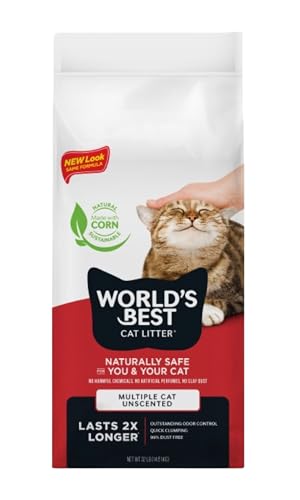
  • Best Natural: World's Best Cat Litter Multiple Cat Unscented. Made from whole-kernel corn, this litter is flushable, low dust, and naturally clumping.
At a Glance

Quick Comparison

Quick answer

Our top pick for nervous cats is the PetSafe ScoopFree Self-Cleaning Litter Box. It automatically removes waste, so your cat never steps on used litter, and its hooded design provides privacy. For cats that prefer an open box, the Frisco High Sided Cat Litter Box offers extra height to prevent splashing and a sense of security. If your cat is sensitive to noise, the Dr. Elsey’s Cat Attract Litter encourages use with herbal attractants and is low dust.

What to consider for Cat Litter Box For Nervous Cats

Nervous cats often avoid the litter box due to fear, discomfort, or past negative experiences. Key considerations include box size (large enough to turn around), location (quiet, low-traffic area), and litter texture (soft, unscented). Avoid sudden changes; introduce new boxes gradually. A covered box can feel safer for some cats, but others may feel trapped; observe your cat’s preference. Also consider a box with a low entry for senior or anxious cats.

What to look for in a cat litter or litter-area product

Look for strong clumping and odour control to keep the box fresh and appealing. Low dust is critical for feline airways, especially for cats with respiratory sensitivities. Low tracking reduces mess and stress from stepping on litter outside the box. Multi-cat suitability matters if you have more than one cat; ensure enough boxes (one per cat plus one extra). An unscented option is best for nervous cats, as strong fragrances can deter them.

How we chose these picks

  • Evaluated product features against the specific needs of nervous cats: privacy, low noise, low dust, and gentle litter texture.
  • Reviewed publicly available product specifications, customer feedback, and expert guidance from veterinary behaviourists.
  • Prioritised products with proven stress-reducing features like hoods, high sides, or attractants.
  • Considered value for money and durability.
  • Excluded products with strong scents or high dust levels.
  • Ensured picks are widely available on Amazon for easy purchase.
  • Never ranked a product higher just because it pays a commission.

What to avoid

  • Heavily scented litters that put cats off the box; many nervous cats find perfumes overwhelming.
  • High-dust clay for cats with breathing issues; dust can irritate sensitive airways.
  • A box too small or too few boxes for the number of cats; cramped conditions increase stress.
  • Sudden litter changes; always transition gradually over a week by mixing old and new.

For more advice, explore our cat guides, cat food, and cat health sections.

Why this matters

Nervous cats often avoid litter boxes due to negative associations; providing a quiet location, unscented low-dust litter, and a box with privacy features can dramatically improve litter box habits.

The Options

Types Explained

Self-Cleaning Litter Box

Automatically removes waste after each use, keeping the box consistently clean. Ideal for nervous cats who dislike dirty litter.

Best for: Cats that avoid the box after one use; owners who want minimal daily scooping.

High-Sided Open Box

A large, open tray with tall walls to contain litter and provide a sense of enclosure without a lid.

Best for: Cats that feel trapped in covered boxes but need privacy and reduced scatter.

Attractant Litter

Litter infused with natural herbal scents that draw cats to the box. Helps retrain cats that have stopped using the box.

Best for: Cats with litter box aversion or those new to a home.

Natural Unscented Litter

Made from plant-based materials like corn, wheat, or pine. Biodegradable, low dust, and free of synthetic fragrances.

Best for: Cats with respiratory sensitivities or picky noses; environmentally conscious owners.
The Rankings

Top 5 Picks

#1
PetSafe ScoopFree Self-Cleaning Litter Box
Best Overall

PetSafe ScoopFree Self-Cleaning Litter Box

View on Amazon

This self-cleaning box automatically rakes waste into a covered compartment, keeping the litter fresh for weeks. Nervous cats appreciate never stepping on used litter. The hood provides privacy, and the low-entry front is easy for anxious cats. However, the crystal litter can be noisy when raking, which may startle some cats initially.

#2
Frisco High Sided Cat Litter Box
Best Open Box

Frisco High Sided Cat Litter Box

View on Amazon

With 8-inch tall sides, this box prevents litter scatter and gives cats a sense of enclosure without a lid. It's spacious and works well for cats that dislike covered boxes. The high sides also reduce odour spread. A trade-off is that it doesn't have a lid for privacy, so place it in a quiet corner.

#3
Dr. Elsey's Cat Attract Litter
Best for Litter Training

Dr. Elsey's Cat Attract Litter

View on Amazon

This clumping clay litter is infused with herbal attractants that encourage nervous cats to use the box. It's low dust and unscented, making it gentle on sensitive airways. Many cats who previously avoided the box start using it consistently. The main limitation is that it is pricier than standard clay litters.

#4
Arm & Hammer Clump & Seal Multi-Cat Litter
Best Odour Control

Arm & Hammer Clump & Seal Multi-Cat Litter

View on Amazon

Arm & Hammer's formula uses baking soda to neutralise odours effectively, even in multi-cat homes. It clumps tightly for easy scooping and is low dust. Nervous cats benefit from a consistently fresh box. One downside is that it is scented, which some cats may dislike; consider the unscented version if needed.

#5
World's Best Cat Litter Multiple Cat Unscented
Best Natural

World's Best Cat Litter Multiple Cat Unscented

View on Amazon

Made from whole-kernel corn, this litter is flushable, low dust, and naturally clumping. It's unscented, perfect for sensitive cats, and controls odour well. The soft texture is gentle on paws. However, it tracks more than clay litters, so a mat is recommended.

Before You Buy

Key Buying Factors

01

Box Size and Entry Height

Nervous cats need a box large enough to turn around and a low entry (under 6 inches) for easy access. High sides can provide security but ensure the cat can enter comfortably.

02

Litter Texture and Scent

Soft, unscented litter mimics natural soil and reduces aversion. Avoid perfumed or coarse litters that may deter use.

03

Privacy Features

Covered boxes or those with high sides offer privacy, which can reduce stress. However, some cats prefer open boxes; observe your cat's behaviour.

04

Noise Level

Self-cleaning boxes can be noisy. For noise-sensitive cats, manual scooping or quiet automatic models are better.

05

Dust and Air Quality

Low-dust litters protect feline airways, especially important for cats with asthma or allergies. Look for '99% dust-free' claims.

Living With It

Care, Cost and Maintenance

Daily Scooping

Scoop solid waste and clumps at least once daily. Nervous cats are more likely to use a clean box. Use a slotted scoop to separate waste from clean litter.

Weekly Deep Cleaning

Empty all litter, wash the box with mild soap and warm water (avoid ammonia or strong cleaners), dry thoroughly, and refill with fresh litter. This prevents odour buildup.

Monthly Replacement

Replace the entire litter box every 6 to 12 months, or sooner if it becomes scratched or retains odours. Porous plastic can harbour bacteria.

Pro tip

Introduce a new litter box gradually by placing it next to the old one and letting your cat explore it at their own pace. Avoid moving the box to a new location suddenly.

Frequently asked questions

How often should I change the litter for a nervous cat?
For nervous cats, scoop daily and do a full litter change every 1 to 2 weeks, depending on the number of cats and litter type. Clumping litters can go longer between full changes if you scoop diligently. A clean box encourages consistent use. If you notice your cat hesitating, increase the frequency.
Should I use clumping or non-clumping litter for a nervous cat?
Clumping litter is generally preferred because it allows you to remove waste easily, keeping the box cleaner. Nervous cats are more likely to use a box that doesn't smell of old waste. Non-clumping litter absorbs urine but can become ammonia-smelling faster, which may deter cats. However, some cats prefer the texture of non-clumping; observe your cat's preference.
Is dust from cat litter harmful to my cat's airways?
Yes, high-dust litters can irritate a cat's respiratory system, especially in cats with asthma or allergies. Dust particles can cause sneezing, coughing, or even chronic inflammation. Choose low-dust or dust-free litters, such as those labeled '99% dust-free'. Natural litters like corn or walnut are often lower in dust than traditional clay.
How can I control odour from the litter box?
Control odour by scooping daily, using a litter with activated charcoal or baking soda, and placing the box in a well-ventilated area. Avoid scented litters for nervous cats; instead, use an unscented clumping litter and a carbon filter in the box lid. Deep clean the box weekly to prevent odour buildup.
What is the best litter box setup for multiple nervous cats?
Provide one litter box per cat plus one extra, placed in different quiet locations. Use the same type of litter in all boxes to avoid confusion. For nervous cats, consider boxes with low entries and high sides. Self-cleaning boxes can reduce competition for clean spots but may be noisy; test with your cats.
Are there low-tracking litter options for nervous cats?
Yes, low-tracking litters are available, such as larger pellet litters made from pine or paper. These have larger particles that are less likely to stick to paws. However, some cats dislike the texture. A compromise is a fine-grained clumping litter paired with a high-quality mat to catch stray granules.
Should I use scented or unscented litter for a nervous cat?
Unscented litter is almost always better for nervous cats. Strong fragrances can overwhelm sensitive noses and deter cats from using the box. Cats have a much stronger sense of smell than humans, and artificial scents can be off-putting. Stick to unscented, natural formulas to keep your cat comfortable.
My nervous cat suddenly stopped using the litter box. What should I do?
First, rule out medical issues with a veterinarian. Then evaluate the box: is it clean enough? Has the litter type changed? Is the box in a stressful location? Try adding a second box with a different litter or style. Use an attractant litter to encourage use. If the problem persists, consult a certified cat behaviourist.
How can I help my cat feel less anxious about the litter box?
Place the box in a quiet, low-traffic area away from loud appliances. Use a covered box or high sides for privacy. Keep the box clean and use unscented, low-dust litter. Consider a pheromone diffuser near the box to promote calmness. Never punish your cat for accidents; instead, address the underlying cause.
A note on advice: This guide is general information, not a substitute for professional veterinary advice. Talk to your vet before changing your dog's diet or care routine, especially if your dog has allergies, kidney disease, pancreatitis, obesity, heart disease or any other medical condition.
Transparency

How we made this guide

How we chose. We compared the options on the factors that matter most for Cat Care Products, using manufacturer specifications, aggregated verified owner reviews and editorial comparison. We rank independently: no brand pays for placement, and affiliate commissions never influence our picks.

How it was written. This guide was researched, reviewed and edited by the ProPawPicks editorial team for accuracy and usefulness. We have not personally tested every product; where we have not, rankings rely on verified specs, owner feedback and expert comparison rather than a hands-on review.

Affiliate disclosure. ProPawPicks is reader-supported. If you buy through links on our site, we may earn a commission at no extra cost to you. See our affiliate disclosure.

Keep Reading

More Cat Care Products guides

Interactive Cat Toys That Mimic Prey: 2026 Top PicksView picks โ†’Which Interactive Cat Is Most Realistic? Our 2026 Top PickView picks โ†’Interactive Cat Feeders That Cats Actually Use: 2026 Top 4View picks โ†’Indoor cat fences: best invisible dog fence for cats in 2026View picks โ†’Invisible Fence for Cat, RankedView picks โ†’Joint Relief for Cats That DeliverView picks โ†’

Sources and further reading

Some links below are affiliate links. If you buy through them we may earn a small commission at no extra cost to you. Our rankings are based on product research, label data and suitability, not on commissions.