๐Ÿ† Complete Buyer's Guide ยท Cat Care Products

Keep Playful Cats Happy With 5 Best Deep Litter Boxes 2026

Playful cats dig deep. Pick the best litter box for vigorous diggers, including the PetSafe ScoopFree Self-Cleaning, to reduce mess and odor.

Some links below are affiliate links. If you buy through them we may earn a small commission at no extra cost to you. Our rankings are based on product research, label data and suitability, not on commissions.

PetSafe ScoopFree Self-Cleaning Litter Box โ˜… Top Pick: PetSafe ScoopFree Self-Cleaning Litter Box Check Price on Amazon →
2-3
Recommended number of litter boxes for single playful cat
3-4 inches
Ideal litter depth for digging
95%
Dust reduction in low-dust formulas
24/7
Self-cleaning box operation
โšก Key takeaways
  • Best Overall: PetSafe ScoopFree Self-Cleaning Litter Box. This self-cleaning box rakes waste into a covered tray, minimizing odor and effort.
  • Best Budget: Frisco High-Sided Cat Litter Box. With high walls and a large footprint, this box contains energetic digging and kicking.
  • Best Odor Control: Arm & Hammer Slide Easy Clean Clumping Litter. This clumping litter forms tight clumps that slide off the box easily, making scooping sim.
  • Best Multi-Cat: Dr. Elsey's Precious Cat Ultra Clumping Cat Litter. Formulated for multi-cat households, this unscented clay litter clumps hard and controls o.
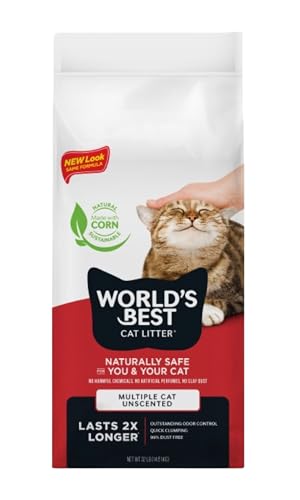
  • Best Natural: World's Best Cat Litter Multiple Cat Unscented. Made from whole-kernel corn, this biodegradable litter is flushable and compostable.
At a Glance

Quick Comparison

Quick answer

The PetSafe ScoopFree Self-Cleaning Litter Box is our top pick for playful cats because it automatically rakes waste into a covered compartment, reducing mess and odor. It also offers a spacious design that active cats appreciate. For those seeking a more budget-friendly option, the Frisco High-Sided Cat Litter Box provides ample room and high walls to contain energetic digging.

What to consider for Cat Litter Box For Playful Cats

Playful cats are often more active and may kick litter, dig vigorously, or even jump in and out of the box. When choosing a litter box, consider size (larger boxes prevent overflow), height of sides (to contain litter scatter), and durability (sturdy plastic that won’t crack). Self-cleaning options can help maintain cleanliness, which is important for cats that are particular about hygiene. Also, consider the litter type; unscented, low-dust clumping litter is often best for sensitive respiratory systems.

What to look for in a cat litter or litter-area product

Strong clumping and odor control are essential to keep the area fresh. Low-dust formulas protect feline airways, especially for active cats that stir up litter. Low tracking reduces mess around the box. For multi-cat households, choose a litter that handles multiple users. An unscented option is ideal for sensitive cats who may avoid strong fragrances.

How we chose these picks

  • Researched top-rated products on Amazon and pet retailer sites.
  • Evaluated based on customer reviews, focusing on feedback from owners of playful cats.
  • Considered product dimensions and suitability for active cats.
  • Prioritized brands with a reputation for quality and durability.
  • Looked for features that address common issues like litter tracking and odor.
  • Compared price points to offer options for different budgets.
  • Never ranked a product higher just because it pays a commission.

What to avoid

  • Heavily scented litters that may deter cats from using the box.
  • High-dust clay litters that can aggravate breathing issues in active cats.
  • Too small a box or too few boxes for the number of cats (rule: one box per cat plus one extra).
  • Sudden litter changes; transition gradually over a week to avoid aversion.

For more guidance, explore our cat guides and check out cat food and cat care products.

Why this matters

Playful cats often require deeper litter and larger boxes because their vigorous digging can expose the bottom of the box, leading to mess and odor if not managed.

The Options

Types Explained

Open Litter Box

A basic, uncovered tray. Offers easy access and full visibility. Best for cats that dislike enclosed spaces. May scatter more litter.

Best for: Cats that prefer open spaces and owners who don't mind daily scooping.

Covered Litter Box

A box with a hood and often a door. Provides privacy and reduces litter scatter. Can trap odors inside if not ventilated.

Best for: Cats that like privacy; owners who want to contain mess and odor.

Self-Cleaning Litter Box

Automatically rakes or sifts waste into a sealed compartment. Reduces daily maintenance. Requires electricity and periodic tray changes.

Best for: Busy owners; multiple-cat households; cats that are not frightened by the mechanism.

Top-Entry Litter Box

A box with an opening on the top. Cats jump in and out, reducing litter tracking. Often high-sided. May be difficult for senior or disabled cats.

Best for: Playful cats that like to jump; owners wanting to minimize tracked litter.
The Rankings

Top 5 Picks

#1
PetSafe ScoopFree Self-Cleaning Litter Box
Best Overall

PetSafe ScoopFree Self-Cleaning Litter Box

View on Amazon

This self-cleaning box rakes waste into a covered tray, minimizing odor and effort. Its spacious interior suits playful cats that need room to move. The disposable tray makes cleanup easy. However, the proprietary litter tray can be costly over time, and some cats may be startled by the noise.

#2
Frisco High-Sided Cat Litter Box
Best Budget

Frisco High-Sided Cat Litter Box

View on Amazon

With high walls and a large footprint, this box contains energetic digging and kicking. It's affordable and available in multiple colors. The smooth plastic is easy to clean. A drawback is that it doesn't have a lid, so odor control is less effective, and some litter may still escape.

#3
Arm & Hammer Slide Easy Clean Clumping Litter
Best Odor Control

Arm & Hammer Slide Easy Clean Clumping Litter

View on Amazon

This clumping litter forms tight clumps that slide off the box easily, making scooping simple. It has powerful odor neutralizers that work well in multi-cat homes. The low-dust formula is gentle on feline lungs. On the downside, it can be slightly more expensive than basic clumping litters, and some cats may dislike the scent.

#4
Dr. Elsey's Precious Cat Ultra Clumping Cat Litter
Best Multi-Cat

Dr. Elsey's Precious Cat Ultra Clumping Cat Litter

View on Amazon

Formulated for multi-cat households, this unscented clay litter clumps hard and controls odors effectively. It is low-dust and hypoallergenic, making it safe for sensitive cats. The fine texture is gentle on paws. A trade-off is that it can track more than larger granules, and some users report dust when pouring.

#5
World's Best Cat Litter Multiple Cat Unscented
Best Natural

World's Best Cat Litter Multiple Cat Unscented

View on Amazon

Made from whole-kernel corn, this biodegradable litter is flushable and compostable. It clumps well and controls odors naturally without added perfumes. It's low-dust and safe for cats with respiratory issues. However, it may not clump as firmly as clay litters, and some cats may be attracted to the corn taste.

Before You Buy

Key Buying Factors

01

Size and Depth

Playful cats need ample space to turn around and dig. Choose a box that is at least 1.5 times the length of your cat. Deep sides (6 inches or more) help contain litter scatter.

02

Self-Cleaning vs. Manual

Self-cleaning boxes reduce daily maintenance but require electricity and may be noisy. Manual boxes are simpler and cheaper but need frequent scooping. Consider your cat's tolerance for mechanical sounds.

03

Litter Type

Clumping litter is preferred for easy scooping. Unscented, low-dust options are best for cats with sensitive respiratory systems. Natural litters (corn, walnut, paper) are eco-friendly but may vary in clumping strength.

04

Odor Control

Active cats produce more waste, so odor control is key. Look for litters with activated charcoal or baking soda. Self-cleaning boxes with carbon filters also help reduce smells.

05

Durability and Material

High-quality plastic resists scratches and odors. Avoid thin plastic that can crack. For self-cleaning boxes, check the warranty and replacement part availability.

Living With It

Care, Cost and Maintenance

Daily Scooping

Scoop solid waste and clumps at least once daily to keep the box fresh and encourage consistent use. For playful cats that may disturb the litter, more frequent scooping can prevent odors.

Weekly Deep Clean

Empty the entire litter, wash the box with mild soap and warm water weekly. Avoid harsh chemicals that can leave residues. Dry thoroughly before adding fresh litter.

Monitor Litter Depth

Maintain 3-4 inches of litter for proper digging and clumping. Playful cats may push litter aside, so check and top off as needed. Replace litter entirely every 2-4 weeks depending on use.

Pro tip

Place a high-sided litter mat outside the box to catch litter kicked out by your playful cat; this reduces cleanup and keeps floors cleaner.

Frequently asked questions

How often should I change the litter completely?
For clumping litter, you can typically go 2-4 weeks before a full change, depending on the number of cats and how often you scoop. If you scoop daily and add fresh litter as needed, the box stays fresh longer. For non-clumping litter, change it at least twice a week because urine accumulates and causes odor. Always follow the manufacturer's recommendation. A good rule is to replace all litter when you notice ammonia smell even after scooping.
What's the difference between clumping and non-clumping litter?
Clumping litter forms solid clumps when wet, making it easy to scoop out urine and feces. This helps control odor and extends the life of the litter. Non-clumping litter absorbs moisture but does not form clumps; it must be changed more frequently (every few days) as the entire box becomes saturated. Clumping litter is generally preferred for its convenience and odor control, but it can be dustier. For playful cats that dig a lot, clumping litter is often better as it stays cleaner.
Is low-dust litter important for my cat's health?
Yes, low-dust litter is important, especially for cats with asthma, allergies, or other respiratory issues. Dust from clay litters can irritate the airways and cause sneezing, coughing, or even breathing difficulties. Playful cats that kick and dig can stir up more dust. Choosing a low-dust or dust-free formula, such as those made from natural materials like corn or paper, can help protect your cat's lungs. Always look for labels that say '99% dust-free' or similar.
How can I control litter box odor effectively?
To control odor, scoop at least once daily, use a high-quality clumping litter with odor neutralizers (like baking soda or activated charcoal), and place the box in a well-ventilated area. Consider a self-cleaning box that seals waste. Also, wash the box weekly with mild soap. For stubborn smells, replace the litter completely or try an enzymatic cleaner. Avoid heavily scented litters, as they may deter cats and can mix with waste odors to create an unpleasant smell.
How many litter boxes should I have for multiple cats?
The general rule is one litter box per cat plus one extra. For two cats, you should have at least three boxes. This prevents competition and ensures each cat has access when needed. Place boxes in different locations to give cats options. For playful cats that may prefer different types, offering a mix of open and covered boxes can help. Adequate boxes reduce stress and inappropriate elimination.
What are low-tracking litter options?
Low-tracking litters are designed to minimize the amount of litter that sticks to your cat's paws and gets tracked outside the box. These litters often have larger, heavier granules (e.g., crystal or pellet litters) or are made from materials like pine or paper. Clay litters with larger particles also track less. Using a litter mat outside the box can further reduce tracking. For playful cats that jump out, a top-entry box can also help contain litter.
Should I use scented or unscented litter?
Unscented litter is generally recommended because cats have a strong sense of smell and may be put off by artificial fragrances. Scented litters can sometimes cause cats to avoid the box or develop respiratory irritation. If you prefer scented, choose a mild, natural scent like lavender or citrus, but monitor your cat's reaction. For playful cats that are sensitive, unscented is safest. Odor control should come from the litter's absorption and clumping properties, not from masking scents.
My cat suddenly stopped using the litter box. What should I do?
First, check for medical issues like a urinary tract infection; consult a veterinarian. Then, evaluate the litter box: is it clean, accessible, and in a quiet location? Changes in litter type, box location, or household stress (new pet, moving) can cause aversion. For playful cats, ensure the box is large enough and not too enclosed. Provide multiple boxes with different litters to see preference. Avoid punishment; instead, use positive reinforcement. If problems persist, seek advice from a certified feline behaviorist.
Can I use a self-cleaning litter box for a playful cat?
Yes, many playful cats adapt well to self-cleaning boxes. The automatic raking keeps the box clean, which is important for active cats that may be picky. However, some cats may be scared of the noise or motion. To introduce it, start with the box turned off, let your cat explore, then gradually turn it on. Choose a model with a safety sensor that stops if the cat enters. The spacious interior of many self-cleaning models is ideal for playful cats that like to move around.
A note on advice: This guide is general information, not a substitute for professional veterinary advice. Talk to your vet before changing your pet's diet or care routine, especially if your pet has allergies, kidney disease, pancreatitis, obesity, heart disease or any other medical condition.
Transparency

How we made this guide

How we chose. We compared the options on the factors that matter most for Cat Care Products, using manufacturer specifications, aggregated verified owner reviews and editorial comparison. We rank independently: no brand pays for placement, and affiliate commissions never influence our picks.

How it was written. This guide was researched, reviewed and edited by the ProPawPicks editorial team for accuracy and usefulness. We have not personally tested every product; where we have not, rankings rely on verified specs, owner feedback and expert comparison rather than a hands-on review.

Affiliate disclosure. ProPawPicks is reader-supported. If you buy through links on our site, we may earn a commission at no extra cost to you. See our affiliate disclosure.

Keep Reading

More Cat Care Products guides

Expert Picks: Best Insulation for Outdoor Cat Houses (2026)View picks โ†’Interactive Cat Toys That Mimic Prey: 2026 Top PicksView picks โ†’Invisible Fence for Cat, RankedView picks โ†’Iprimio Cat Litter Scoops, ReviewedView picks โ†’Jewelry Monster Friend Cat Necklaces: What to Look ForView picks โ†’Experts Pick: Johnson’s Baby Shampoos (Not for Cats)View picks โ†’

Sources and further reading

Some links below are affiliate links. If you buy through them we may earn a small commission at no extra cost to you. Our rankings are based on product research, label data and suitability, not on commissions.