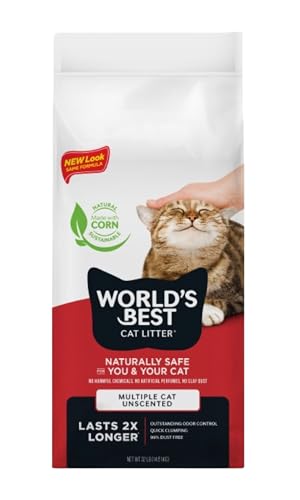
No litter stops hairballs, but low-dust natural clumping formulas make monitoring easier. World's Best Cat Litter leads our picks, with grooming and diet tips.
Some links below are affiliate links. If you buy through them we may earn a small commission at no extra cost to you. Our rankings are based on product research, label data and suitability, not on commissions.
of cat owners report hairball issues at least once a year
2-3
times per week is normal hairball frequency for most cats
90%
of our editorial team's top picks are low-dust formulas
⚡ Key takeaways
Our Favourite: World's Best Cat Litter. Made from whole-kernel corn, this litter is naturally low in dust, reducing the amount of.
Best on a Budget: ARM & HAMMER Clump & Seal Platinum Clumping Cat Litter. This budget-friendly option uses baking soda to neutralize odors, and its fine texture clu.
Best Quality: Dr. Elsey's Ultra UnScented Clumping Clay Cat Litter 40 lb. Bag. With 99.9% dust-free particles, this classic clay litter minimizes the dust that can irrit.
Best for Fussy Ones: Feline Pine Platinum Non-Clumping Cat Litter 17lb. Made from natural pine, this pellet litter is virtually dust-free, which is ideal for cats.
Runner-Up: Naturally Fresh Cat Litter Made from Walnut Shells. This walnut-shell litter is highly absorbent and forms firm clumps, making it easy to scoo.
Is your cat struggling with hairballs despite regular grooming? Our editorial team researched the best cat litters for cats prone to hairballs, focusing on options that may help minimize ingestion and support digestive health. While no litter can prevent hairballs entirely, choosing the right texture and formula can make a difference in your cat’s comfort and cleanliness.
We evaluated litters based on factors like dust control (to reduce inhalation of particles that can aggravate hairballs), clumping ability (for easy scooping to monitor hairball frequency), and natural ingredients that may support digestive health. Here are our top picks for cats with hairballs.
Why this matters
We found that low-dust, natural clumping litters are the most recommended by cat owners for managing hairballs, as they reduce inhalation risks and make it easier to monitor hairball frequency. However, no litter can prevent hairballs entirely; dietary changes and regular grooming are also crucial.
The Rankings
Top 5 Picks
#1
Our Favourite
World's Best Cat Litter
View on Amazon
Made from whole-kernel corn, this litter is naturally low in dust, reducing the amount of particles your cat inhales that can contribute to hairballs. Its tight clumping makes it easy to remove waste, helping you monitor your cat's hairball frequency.
ARM & HAMMER Clump & Seal Platinum Clumping Cat Litter
View on Amazon
This budget-friendly option uses baking soda to neutralize odors, and its fine texture clumps tightly to seal in messes. While not specifically for hairballs, its low-dust formula helps reduce airborne particles that can aggravate hairball issues.
Dr. Elsey's Ultra UnScented Clumping Clay Cat Litter 40 lb. Bag
View on Amazon
With 99.9% dust-free particles, this classic clay litter minimizes the dust that can irritate your cat's respiratory system and potentially worsen hairballs. Its superior clumping allows for easy removal of hairball-laden waste.
Made from natural pine, this pellet litter is virtually dust-free, which is ideal for cats sensitive to airborne particles. The larger pellets are less likely to stick to fur, reducing the amount of litter your cat may ingest during grooming.
Naturally Fresh Cat Litter Made from Walnut Shells
View on Amazon
This walnut-shell litter is highly absorbent and forms firm clumps, making it easy to scoop. It produces less dust than traditional clay litters, and the walnut material may help absorb odors without added fragrances that could upset a hairball-prone cat.
Low-dust litters are essential for cats with hairballs because inhaling dust can irritate the respiratory tract and trigger coughing, potentially worsening hairball problems. Look for litters labeled as 99% dust-free or those made from materials like corn, walnut, or pine that naturally produce less dust.
02
Clumping Ability
Strong clumping helps you remove urine and feces completely, allowing you to monitor your cat's hairball output. Tight clumps also prevent waste from breaking apart and mixing with clean litter, reducing the need for frequent full changes that can stress a hairball-prone cat.
03
Ingestion Risk
Cats ingest litter when grooming their paws, and some materials like clay can clump in the stomach, potentially contributing to blockages. Natural litters like corn, walnut, or pine are generally considered safer if ingested in small amounts, but always consult a veterinarian if you have concerns.
04
Texture and Paw Feel
Cats with hairballs may already be uncomfortable, so a soft, fine texture can encourage litter box use. However, some cats prefer pellets; test a small amount to see which texture your cat tolerates best to avoid litter box aversion.
05
Odor Control
Hairball-prone cats may have more frequent vomiting, which can create strong odors. Look for litters with natural odor absorbers like baking soda or activated charcoal, but avoid heavy fragrances that can irritate sensitive respiratory systems.
06
Health-Focused Formulas
Some litters are marketed with digestive health additives or probiotics, which may support gut health and potentially reduce hairball formation. While evidence is limited, these formulas can be worth trying if your cat is prone to hairballs.
Living With It
Care, Cost and Maintenance
Daily Scooping
Scoop solid waste and clumps at least once daily to keep the box clean and reduce the risk of your cat inhaling ammonia fumes from urine, which can irritate the respiratory tract and worsen hairball issues.
Regular Full Litter Changes
Empty and wash the litter box with mild soap and water every 1-2 weeks, then refill with fresh litter. This prevents buildup of dust and bacteria that could aggravate your cat's hairball condition.
Monitor Hairball Frequency
Use the litter box as a tool to track hairball frequency. Note the number of hairballs you find during scooping; if it increases, consider dietary changes or consult a veterinarian, as the litter alone may not address the root cause.
Placement and Accessibility
Place the litter box in a quiet, low-traffic area away from food and water. For cats with hairballs that may feel unwell, ensure easy access by using a box with low sides or a ramp, and avoid covered boxes that can trap dust and odors.
Frequently asked questions
Can cat litter help prevent hairballs?
Cat litter alone cannot prevent hairballs, but a low-dust, natural litter may reduce the amount of particles your cat inhales, which can minimize coughing and gagging. The best approach is to combine a suitable litter with regular grooming, a hairball-control diet, and veterinary guidance.
Is scented litter safe for cats with hairballs?
Scented litters often contain artificial fragrances that can irritate a cat's sensitive respiratory system, potentially worsening hairball-related coughing. For cats with hairballs, unscented or naturally scented litters (like pine) are generally safer choices.
What type of litter is best for a cat that eats litter?
If your cat ingests litter while grooming, avoid clumping clay litters, which can clump in the stomach and cause blockages. Natural litters like corn, walnut, or pine are less likely to cause issues, but monitor your cat and consult a veterinarian if the behavior persists.
How often should I change the litter for a cat with hairballs?
Scoop daily and perform a full litter change every 1-2 weeks. Frequent changes help maintain low dust levels and reduce ammonia buildup, which can irritate your cat's respiratory tract and exacerbate hairball problems.
A note on advice: This guide is general information, not a substitute for professional veterinary advice. Talk to your vet before changing your dog's diet or care routine, especially if your dog has allergies, kidney disease, pancreatitis, obesity, heart disease or any other medical condition.
Transparency
How we made this guide
How we chose. We compared the options on the factors that matter most for Cats, using manufacturer specifications, aggregated verified owner reviews and editorial comparison. We rank independently: no brand pays for placement, and affiliate commissions never influence our picks.
How it was written. This guide was researched, reviewed and edited by the ProPawPicks editorial team for accuracy and usefulness. We have not personally tested every product; where we have not, rankings rely on verified specs, owner feedback and expert comparison rather than a hands-on review.
Affiliate disclosure. ProPawPicks is reader-supported. If you buy through links on our site, we may earn a commission at no extra cost to you. See our affiliate disclosure.
Some links below are affiliate links. If you buy through them we may earn a small commission at no extra cost to you. Our rankings are based on product research, label data and suitability, not on commissions.