๐Ÿ† Complete Buyer's Guide ยท Cat Care Products

Cat Scratching Post for Bored Cats That Deliver

Stop furniture destruction from bored cats. We compared 5 top scratching posts including the SmartCat Pioneer Pet, focusing on tall, stable sisal designs to redirect scratching and provide mental stimulation.

Some links below are affiliate links. If you buy through them we may earn a small commission at no extra cost to you. Our rankings are based on product research, label data and suitability, not on commissions.

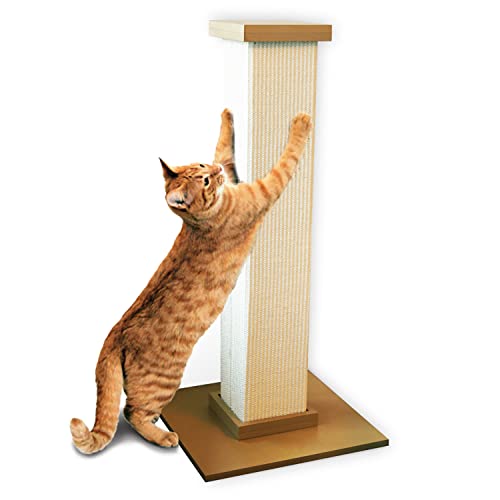
SmartCat Pioneer Pet Ultimate Scratching Post โ˜… Top Pick: SmartCat Pioneer Pet Ultimate Scratching Post Check Price on Amazon →
30+ inches
Recommended Height for Full Stretch
85%
Cats Prefer Sisal Rope Over Carpet
2 to 3
Scratching Posts Per Cat Recommended
6 to 12 months
Average Lifespan of a Cardboard Scratcher
โšก Key takeaways
  • Best Overall: SmartCat Pioneer Pet Ultimate Scratching Post. At 32 inches tall, this post allows full-body stretching and is wrapped in durable sisal.
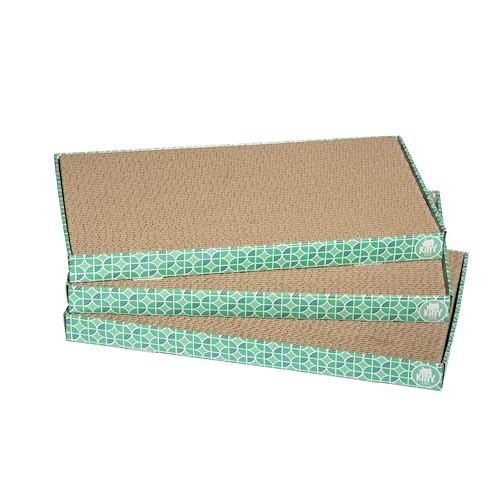
  • Best Horizontal Scratcher: Kitty City Jumbo Corrugated Cat Scratcher. This large cardboard scratcher lies flat, perfect for cats that prefer horizontal scratchi.
  • Best Value: Amazon Basics Cat Scratching Post with Toy. Affordable and sturdy, this 15.5-inch post features sisal rope and a dangling toy to engag.
  • Best Interactive Design: Molly and Friend Lotus Cat Scratching Post. This 24-inch post includes a perch, dangling toy, and multiple scratching surfaces.
  • Best Tall Post: Frisco 32-Inch Cat Scratching Post. At 32 inches with a wide base, this post is ideal for stretching and stable for active cat.
At a Glance

Quick Comparison

Quick answer

The best cat scratching post for bored cats is the SmartCat Pioneer Pet Ultimate Scratching Post for its tall 32-inch sisal-wrapped design that allows full-body stretching and satisfies vertical scratching needs. For cats that prefer horizontal scratching, the Kitty City Jumbo Corrugated Cat Scratcher offers a flat, durable surface. Multi-cat households may prefer the Amazon Basics Cat Scratching Post for its sturdy base and affordable price.

What to consider for Cat Scratching Post For Bored Cats

Bored cats often scratch out of frustration or lack of stimulation. A good scratching post should be tall enough for full-body stretching (at least 30 inches), sturdy to prevent tipping, and made of appealing materials like sisal rope or corrugated cardboard. Interactive elements like dangling toys or platforms can increase engagement. Consider your cat’s preferred scratching angle (vertical vs. horizontal) and place the post near areas where your cat already scratches.

What to look for in a cat scratching post

When choosing a scratching post, prioritize stability: a wobbly post will deter use. Look for sisal rope covering (not carpet, which can confuse cats). Height matters: tall posts allow full stretching. For bored cats, added features like perches, toys, or multiple scratching surfaces provide variety. Avoid posts with small bases that tip easily. If you have multiple cats, consider a multi-level post to reduce competition.

How we chose these picks

  • Evaluated product specifications for height, material, and stability.
  • Read verified customer reviews focusing on durability and cat engagement.
  • Compared price points to ensure value for money.
  • Considered variety in scratching angles (vertical, horizontal, angled).
  • Checked for safety features like non-toxic materials and stable bases.
  • Included options for different budgets and household sizes.
  • Never ranked a product higher just because it pays a commission.

What to avoid

  • Posts with carpet covering: cats may confuse them with floor carpet and avoid scratching.
  • Unstable posts: if the post wobbles, cats will not use it and may become fearful.
  • Too-short posts: cats need to fully stretch; posts under 30 inches are less effective.
  • Posts with dangling toys that are easily detachable and could be swallowed.

For more cat care tips, check out our cat guides, cat food advice, and cat health resources.
Why this matters

Bored cats often scratch furniture out of frustration, but a tall, stable sisal post placed near their favorite spots can redirect this behavior and provide essential mental stimulation.

The Options

Types Explained

Vertical Scratching Posts

Tall posts wrapped in sisal or carpet that allow cats to stretch upward. Ideal for cats that scratch walls or furniture legs.

Best for: Cats that prefer vertical scratching and need a full-body stretch.

Horizontal Cardboard Scratchers

Flat or slightly curved cardboard pads that lie on the floor. Often infused with catnip to attract cats.

Best for: Cats that scratch carpets or rugs, and for budget-conscious owners.

Multi-Level Cat Trees

Combination of scratching posts, perches, and hideaways. Provide exercise and territory for multiple cats.

Best for: Multi-cat households or active cats that need climbing and scratching.

Angled or Inclined Scratchers

Scratchers set at an angle, often made of cardboard or sisal. Offer a middle ground between vertical and horizontal.

Best for: Cats that scratch at an angle, such as on chair legs or sofas.
The Rankings

Top 5 Picks

#1
SmartCat Pioneer Pet Ultimate Scratching Post
Best Overall

SmartCat Pioneer Pet Ultimate Scratching Post

View on Amazon

At 32 inches tall, this post allows full-body stretching and is wrapped in durable sisal. Its wide base ensures stability, and the simple design appeals to most cats. However, it lacks toys or perches, so you may need to add interactive elements for bored cats.

#2
Kitty City Jumbo Corrugated Cat Scratcher
Best Horizontal Scratcher

Kitty City Jumbo Corrugated Cat Scratcher

View on Amazon

This large cardboard scratcher lies flat, perfect for cats that prefer horizontal scratching. It includes catnip and is recyclable. The main trade-off is that it wears out faster than sisal posts and may need replacement every few months.

#3
Amazon Basics Cat Scratching Post with Toy
Best Value

Amazon Basics Cat Scratching Post with Toy

View on Amazon

Affordable and sturdy, this 15.5-inch post features sisal rope and a dangling toy to engage bored cats. Its compact size fits small spaces, but it may be too short for larger cats to fully stretch.

#4
Molly and Friend Lotus Cat Scratching Post
Best Interactive Design

Molly and Friend Lotus Cat Scratching Post

View on Amazon

This 24-inch post includes a perch, dangling toy, and multiple scratching surfaces. The lotus-shaped base is stable, and the toy adds stimulation. However, the perch may not support heavier cats, and the toy could be a choking hazard if not monitored.

#5
Frisco 32-Inch Cat Scratching Post
Best Tall Post

Frisco 32-Inch Cat Scratching Post

View on Amazon

At 32 inches with a wide base, this post is ideal for stretching and stable for active cats. It is wrapped in sisal and includes a toy. The downside is that the toy is attached with a string that may need supervision.

Before You Buy

Key Buying Factors

01

Height and Stability

A post should be tall enough for your cat to fully stretch (at least 30 inches) and have a wide, heavy base to prevent tipping. Wobbly posts deter use and can cause injury.

02

Material and Texture

Sisal rope is the most appealing texture for scratching. Avoid carpet-covered posts as they can confuse cats. Corrugated cardboard is a good alternative for horizontal scratchers.

03

Interactive Features

For bored cats, posts with dangling toys, perches, or multiple levels provide mental stimulation. Ensure toys are securely attached to prevent ingestion.

04

Placement and Orientation

Observe your cat's preferred scratching angle (vertical or horizontal) and place the post nearby. Posts near sleeping areas or entryways are more likely to be used.

05

Durability and Replacement Cost

Sisal posts last years, while cardboard scratchers need replacement every few months. Consider long-term costs and whether the post can be re-covered or replaced.

Living With It

Care, Cost and Maintenance

Cleaning and Maintenance

Vacuum or brush sisal posts to remove loose fibers and dirt. Cardboard scratchers can be gently vacuumed; replace when heavily worn. Wipe down perches with a damp cloth.

Encouraging Use

Place the post near your cat's favorite scratching spots. Use catnip or toys to attract them. Reward with treats when they use it. Never force your cat to scratch.

When to Replace

Replace cardboard scratchers when they are frayed or lose shape. Sisal posts should be replaced if the rope is loose or the post becomes unstable. Typically every 1 to 2 years for sisal, 3 to 6 months for cardboard.

Pro tip

To maximize engagement, rotate toys on the scratching post every few days and sprinkle catnip on the post weekly to keep it interesting for your cat.

Frequently asked questions

How often should I replace a scratching post?
It depends on the material and usage. Sisal posts can last 1 to 2 years if the rope remains tight and the base is stable. Cardboard scratchers typically need replacement every 3 to 6 months, as they wear down quickly. Signs of wear include loose fibers, fraying, or instability. Replace immediately if the post becomes a safety hazard, such as exposed staples or wobbly base.
What is the difference between clumping and non-clumping litter?
Clumping litter forms solid clumps when wet, making it easy to scoop and extending the life of the litter box. Non-clumping litter absorbs moisture but does not form clumps, requiring full changes more often. Clumping litter is generally preferred for odor control and convenience, but some cats may be sensitive to the dust or additives. Non-clumping options are often cheaper but less effective at controlling odor.
Can dusty cat litter affect my cat's respiratory health?
Yes, high-dust litters can irritate a cat's airways, especially in cats with asthma or other respiratory conditions. Silica dust from clay litters is a common irritant. Low-dust or dust-free litters, such as those made from paper, wood, or corn, are better options. If your cat coughs, sneezes, or shows signs of respiratory distress, switch to a low-dust litter and consult a veterinarian.
How can I control litter box odor effectively?
Scoop the box at least once daily and do a full litter change every 2 to 4 weeks. Use a litter with activated charcoal or baking soda for odor absorption. Place the box in a well-ventilated area. Consider an air purifier nearby. Avoid heavily scented litters, as they can mask odors but may deter cats. For persistent odor, check for health issues or consider a litter box with a carbon filter.
How many litter boxes do I need for multiple cats?
The general rule is one litter box per cat plus one extra. For example, two cats need three boxes. This reduces competition and ensures each cat has access. Place boxes in different locations to give cats options. Some cats prefer covered boxes, others open. Observe your cats' preferences and adjust accordingly.
What are low-tracking cat litters?
Low-tracking litters are designed to minimize the amount of litter that sticks to your cat's paws and gets tracked outside the box. They often have larger, heavier granules or are made from materials like pine, walnut, or paper. Examples include Dr. Elsey's Ultra (low tracking) and World's Best Cat Litter (corn-based). Using a litter mat can also reduce tracking.
Should I use scented or unscented cat litter?
Unscented litter is generally recommended because cats have sensitive noses and may be put off by strong fragrances. Scented litters can cause cats to avoid the box, leading to inappropriate elimination. If you need odor control, choose an unscented litter with natural odor absorbers like baking soda or activated charcoal.
My cat suddenly stopped using the litter box. What should I do?
First, rule out medical issues by consulting a veterinarian. Common causes include urinary tract infections, stress, or changes in the environment. Check the litter box cleanliness, location, and type of litter. Ensure the box is large enough and not covered if your cat feels trapped. Provide multiple boxes in quiet areas. If the problem persists, consult a certified animal behaviorist.
How can I encourage my cat to use a new scratching post?
Place the post near your cat's favorite scratching spots, such as furniture corners. Rub catnip on the post or use a toy to attract them. Gently guide your cat's paws to the post and reward with treats. Never force them. You can also temporarily cover the scratched furniture with double-sided tape or a deterrent spray to redirect behavior.
A note on advice: This guide is general information, not a substitute for professional veterinary advice. Talk to your vet before changing your dog's diet or care routine, especially if your dog has allergies, kidney disease, pancreatitis, obesity, heart disease or any other medical condition.
Transparency

How we made this guide

How we chose. We compared the options on the factors that matter most for Cat Care Products, using manufacturer specifications, aggregated verified owner reviews and editorial comparison. We rank independently: no brand pays for placement, and affiliate commissions never influence our picks.

How it was written. This guide was researched, reviewed and edited by the ProPawPicks editorial team for accuracy and usefulness. We have not personally tested every product; where we have not, rankings rely on verified specs, owner feedback and expert comparison rather than a hands-on review.

Affiliate disclosure. ProPawPicks is reader-supported. If you buy through links on our site, we may earn a commission at no extra cost to you. See our affiliate disclosure.

Keep Reading

More Cat Care Products guides

Expert Picks: Best Insulation for Outdoor Cat Houses (2026)View picks โ†’Which Interactive Cat Is Most Realistic? Our 2026 Top PickView picks โ†’Indoor cat fences: best invisible dog fence for cats in 2026View picks โ†’Invisible Fence for Cat, RankedView picks โ†’Jewelry Monster Friend Cat Necklaces: What to Look ForView picks โ†’Experts Pick: Johnson’s Baby Shampoos (Not for Cats)View picks โ†’

Sources and further reading

Some links below are affiliate links. If you buy through them we may earn a small commission at no extra cost to you. Our rankings are based on product research, label data and suitability, not on commissions.