๐Ÿ† Complete Buyer's Guide ยท Cat Care Products

Stop Cord Chewing: 5 Best Cat Scratching Posts 2026

Cats chew cords from boredom or teething. A tall sisal post like the SmartCat Pioneer Pet offers a satisfying alternative. We picked 5 top scratching posts for 2026.

Some links below are affiliate links. If you buy through them we may earn a small commission at no extra cost to you. Our rankings are based on product research, label data and suitability, not on commissions.

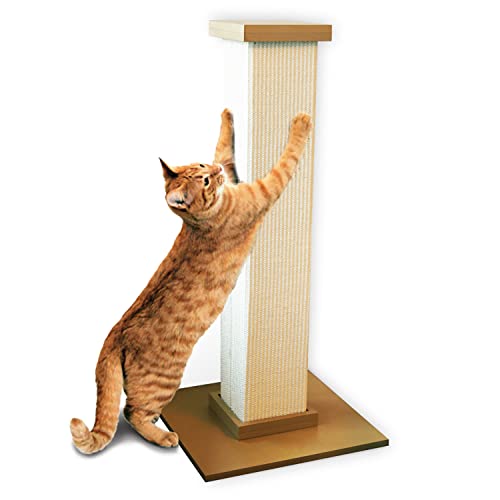
SmartCat Pioneer Pet Ultimate Scratching Post โ˜… Top Pick: SmartCat Pioneer Pet Ultimate Scratching Post Check Price on Amazon →
32 in
Recommended minimum height for full stretch
Sisal rope
Preferred material for scratching posts
10 lbs
Minimum base weight for stability
2+
Number of scratching surfaces recommended for multi-cat homes
โšก Key takeaways
  • Best Overall: SmartCat Pioneer Pet Ultimate Scratching Post. This 32-inch tall post is wrapped in natural sisal rope and has a sturdy, wide base that p.
  • Best Multi-Cat: Feandrea Cat Tree with Scratching Posts. This cat tree features multiple sisal-wrapped posts, perches, and a hammock, accommodating.
  • Best Budget: PetFusion Jumbo Corrugated Cat Scratcher. Made from recycled corrugated cardboard, this scratcher lies flat and is infused with catn.
  • Best Design: Molly and Friend Lotus Cat Scratching Post. This stylish post resembles a lotus flower and is made from natural sisal and wood.
  • Best for Play: Catry Cat Scratching Post with Toy. This post includes a dangling toy and a sisal-wrapped column, encouraging interactive play.
At a Glance

Quick Comparison

Quick answer

The SmartCat Pioneer Pet Ultimate Scratching Post is our top pick for cats that chew cords. Its tall, sturdy sisal design satisfies scratching instincts while keeping cats away from electrical cords. For multi-cat homes, the Feandrea Cat Tree with Scratching Posts offers multiple surfaces and perches. Budget-conscious owners will appreciate the PetFusion Jumbo Corrugated Cat Scratcher as an affordable, cord-free alternative.

What to consider for Cat Scratching Post For Cats That Chew Cords

Cats that chew cords often need an alternative outlet for their oral and scratching needs. A scratching post should be tall enough for a full stretch (at least 32 inches), stable to avoid tipping, and wrapped in sisal rope rather than carpet to encourage use. The base must be wide or heavy to prevent wobbling. Some posts include dangling toys or catnip to attract attention away from cords. Placement matters: put the post near the cords your cat targets, and consider cord covers or bitter sprays as a supplement.

What to look for in a cat litter or litter-area product

While this guide focuses on scratching posts, a proper litter setup reduces stress and unwanted behaviors. Choose a litter with strong clumping and odor control to keep the box inviting. Low-dust formulas protect feline airways, especially for cats with asthma. Low-tracking litter minimizes mess around the box. For multi-cat households, use multiple boxes and a litter that handles high traffic. Unscented options are best for sensitive cats who may avoid perfumed litters.

How we chose these picks

  • Evaluated product dimensions, materials, and stability based on manufacturer specifications.
  • Read verified customer reviews focusing on durability, cat acceptance, and cord-chewing deterrence.
  • Considered price range to include budget-friendly and premium options.
  • Checked for safety features like non-slip bases and non-toxic materials.
  • Included posts with sisal rope (preferred over carpet) for effective scratching.
  • Selected products that are widely available on Amazon with reliable shipping.
  • Never ranked a product higher just because it pays a commission.

What to avoid

  • Scratching posts with carpet covering, as cats may confuse it with floor carpet and continue unwanted scratching.
  • Posts that are too short or unstable; they won’t satisfy your cat’s stretch and may tip over, causing fear.
  • Products with dangling toys that could be chewed and ingested; ensure all attachments are secure.
  • Ignoring the root cause of cord chewing: consult a veterinarian or behaviorist if the behavior persists.

For more tips, explore our cat guides, cat health, and cat care products.

Why this matters

Cats often chew cords due to boredom or teething, and a tall sisal scratching post can provide a satisfying alternative outlet, reducing the appeal of cords.

The Options

Types Explained

Vertical Scratching Post

A single tall post wrapped in sisal, often with a weighted base. Ideal for cats that prefer vertical scratching.

Best for: Cats that stretch upward to scratch

Cat Tree with Scratching Posts

Multi-level structures with multiple sisal posts, platforms, and hiding spots. Provides exercise and territory.

Best for: Multi-cat households or active cats

Cardboard Scratcher

Flat or angled cardboard surfaces infused with catnip. Disposable and inexpensive.

Best for: Budget-conscious owners or cats that prefer horizontal scratching

Wall-Mounted Scratching Post

Sisal panels or posts that attach to walls, saving floor space. Often used in combination with other posts.

Best for: Small apartments or cats that enjoy climbing
The Rankings

Top 5 Picks

#1
SmartCat Pioneer Pet Ultimate Scratching Post
Best Overall

SmartCat Pioneer Pet Ultimate Scratching Post

View on Amazon

This 32-inch tall post is wrapped in natural sisal rope and has a sturdy, wide base that prevents tipping. Its simple design appeals to most cats, and the height allows a full stretch. However, the base is made of particle board, which may not hold up in very humid environments.

#2
Feandrea Cat Tree with Scratching Posts
Best Multi-Cat

Feandrea Cat Tree with Scratching Posts

View on Amazon

This cat tree features multiple sisal-wrapped posts, perches, and a hammock, accommodating multiple cats. It provides vertical space and scratching surfaces away from cords. The assembly can be time-consuming, and the carpeted platforms may attract some cats to scratch carpet instead.

#3
PetFusion Jumbo Corrugated Cat Scratcher
Best Budget

PetFusion Jumbo Corrugated Cat Scratcher

View on Amazon

Made from recycled corrugated cardboard, this scratcher lies flat and is infused with catnip to attract your cat. It's an affordable, cord-free option that satisfies scratching instincts. However, it won't last as long as sisal posts and may create cardboard debris.

#4
Molly and Friend Lotus Cat Scratching Post
Best Design

Molly and Friend Lotus Cat Scratching Post

View on Amazon

This stylish post resembles a lotus flower and is made from natural sisal and wood. It's sturdy and compact, ideal for small spaces. The unique shape may not appeal to all cats, and the scratching surface area is smaller than traditional posts.

#5
Catry Cat Scratching Post with Toy
Best for Play

Catry Cat Scratching Post with Toy

View on Amazon

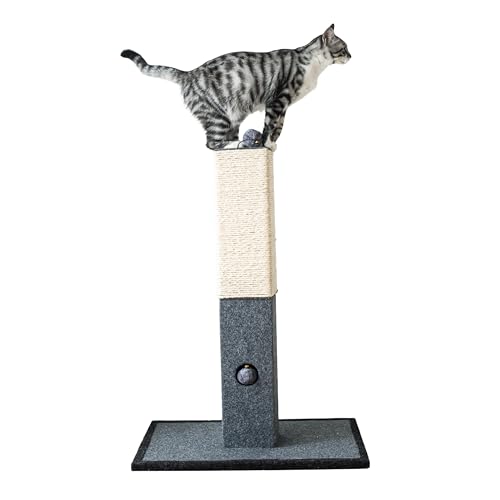
This post includes a dangling toy and a sisal-wrapped column, encouraging interactive play and scratching. It's 28 inches tall and has a weighted base for stability. The toy may need replacement over time, and some cats may ignore the post if they prefer horizontal scratching.

Before You Buy

Key Buying Factors

01

Height and Stability

Cats need to stretch fully while scratching, so a post should be at least 32 inches tall. The base must be wide and heavy enough to prevent tipping during vigorous scratching.

02

Material

Sisal rope is the most durable and appealing material for cats. Avoid carpet-covered posts as they can confuse cats and encourage scratching on floor carpets.

03

Placement

Place the scratching post near the cords your cat targets. You can also use double-sided tape or cord covers to make cords less appealing while redirecting to the post.

04

Additional Features

Dangling toys, catnip, or perches can increase attraction. However, ensure toys are securely attached to prevent ingestion.

05

Durability

Look for posts with replaceable sisal wraps or solid construction. Cardboard scratchers are cheaper but wear out faster.

Living With It

Care, Cost and Maintenance

Regular Inspection

Check the post for loose sisal threads, wobbling bases, or damaged parts. Tighten screws and trim frayed sisal to prevent ingestion.

Cleaning

Vacuum or brush the sisal to remove loose fur and debris. For cardboard scratchers, flip or replace when worn. Avoid using harsh chemicals.

Encouraging Use

Rub catnip on the post or use a wand toy to lure your cat. Praise and treat when they use it. If they ignore it, try a different material or location.

Pro tip

Place the scratching post directly in front of the cords your cat targets, and use double-sided tape on the cords temporarily to make them less appealing while your cat learns to use the post.

Frequently asked questions

How often should I change the litter in the box?
For clumping litter, scoop daily and completely change the litter every 2 to 4 weeks, depending on the number of cats and usage. Non-clumping litter should be changed more frequently, at least once a week. Wash the box with mild soap and water during each full change to prevent odor buildup.
What is the difference between clumping and non-clumping litter?
Clumping litter forms solid clumps when wet, making it easy to scoop out urine and feces, which helps control odor and extends litter life. Non-clumping litter absorbs moisture but does not form clumps, requiring more frequent full changes. Clumping litter is generally preferred for its convenience and odor control, but some cats may be sensitive to the dust or additives.
Can dust from cat litter affect my cat's breathing?
Yes, high-dust litters can irritate a cat's respiratory system, especially in cats with asthma or other breathing issues. Low-dust or dust-free litters, such as those made from paper, wood, or certain clays, are better options. If your cat coughs or sneezes after using the box, consider switching to a low-dust formula.
How can I control litter box odor effectively?
Use a high-quality clumping litter with activated charcoal or baking soda for odor absorption. Scoop waste daily, place the box in a well-ventilated area, and consider an air purifier nearby. Deep clean the box monthly. For persistent odors, check for medical issues or consider a litter with enzymatic odor eliminators.
How many litter boxes do I need for multiple cats?
The general rule is one litter box per cat plus one extra. For example, two cats should have three boxes. Place them in different locations to reduce territorial disputes. Ensure each box is large enough and cleaned frequently to prevent avoidance.
What are low-tracking cat litters?
Low-tracking litters are designed with larger, heavier granules that stick less to your cat's paws and are less likely to scatter outside the box. Examples include pellet litters (wood, paper) and certain clumping litters with larger particles. Using a litter mat can also reduce tracking.
Should I use scented or unscented cat litter?
Unscented litter is generally recommended because cats have sensitive noses and may be put off by strong fragrances, leading to avoidance. Scented litters can mask odors but may cause respiratory irritation or behavioral issues. If you prefer scented, choose a mild, natural option.
My cat is suddenly avoiding the litter box. What should I do?
First, rule out medical issues by consulting a veterinarian. Then assess the box: is it clean, large enough, and in a quiet location? Consider the litter type, depth, and number of boxes. Stress, changes in routine, or territorial issues can also cause avoidance. Gradually reintroduce the box with positive reinforcement.
Can a scratching post really stop my cat from chewing cords?
A scratching post alone may not stop cord chewing, but it can redirect your cat's need to scratch and stretch. Combine the post with cord management (covers, bitter sprays) and provide alternative chew toys. If the behavior persists, consult a veterinarian or behaviorist to rule out pica or anxiety.
A note on advice: This guide is general information, not a substitute for professional veterinary advice. Talk to your vet before changing your dog's diet or care routine, especially if your dog has allergies, kidney disease, pancreatitis, obesity, heart disease or any other medical condition.
Transparency

How we made this guide

How we chose. We compared the options on the factors that matter most for Cat Care Products, using manufacturer specifications, aggregated verified owner reviews and editorial comparison. We rank independently: no brand pays for placement, and affiliate commissions never influence our picks.

How it was written. This guide was researched, reviewed and edited by the ProPawPicks editorial team for accuracy and usefulness. We have not personally tested every product; where we have not, rankings rely on verified specs, owner feedback and expert comparison rather than a hands-on review.

Affiliate disclosure. ProPawPicks is reader-supported. If you buy through links on our site, we may earn a commission at no extra cost to you. See our affiliate disclosure.

Keep Reading

More Cat Care Products guides

Interactive Cat Toys That Mimic Prey: 2026 Top PicksView picks โ†’Interactive Dog Toys, ComparedView picks โ†’Indoor cat fences: best invisible dog fence for cats in 2026View picks โ†’Invisible Fence for Cat, RankedView picks โ†’Iprimio Cat Litter Scoops, ReviewedView picks โ†’Cat Trees That Don’t Wobble: IRIS USA Top Pick ReviewedView picks โ†’

Sources and further reading

Some links below are affiliate links. If you buy through them we may earn a small commission at no extra cost to you. Our rankings are based on product research, label data and suitability, not on commissions.