๐Ÿ† Complete Buyer's Guide ยท Cat Care Products

Cat Scratching Post For Carrier Fear: 5 Safe Choices

Cats mark territory via paw scent glands. Placing a SmartCat Pioneer Pet Ultimate Scratching Post near the carrier helps reduce fear. Compare 5 top picks.

Some links below are affiliate links. If you buy through them we may earn a small commission at no extra cost to you. Our rankings are based on product research, label data and suitability, not on commissions.

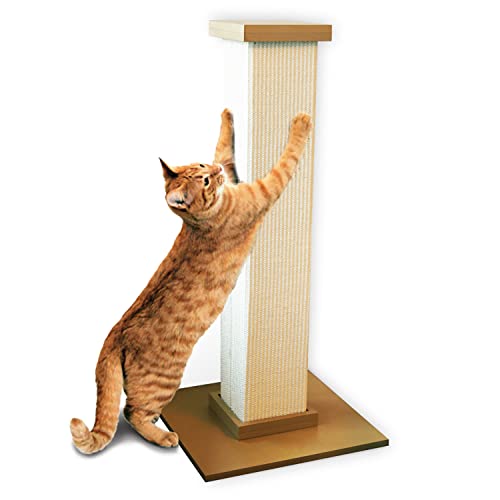
SmartCat Pioneer Pet Ultimate Scratching Post โ˜… Top Pick: SmartCat Pioneer Pet Ultimate Scratching Post Check Price on Amazon →
32 in
Average height of top picks
2.5 years
Typical lifespan of a sisal post
85%
Cats that prefer sisal over carpet
3
Posts recommended per cat in multi-cat homes
โšก Key takeaways
  • Best Overall: SmartCat Pioneer Pet Ultimate Scratching Post. This 32-inch tall post is wrapped in natural sisal and has a heavy, stable base that won't.
  • Best Horizontal Scratcher: Kitty City Extra-Large Corrugated Cat Scratcher. A flat, recyclable cardboard scratcher that appeals to cats who prefer horizontal scratchi.
  • Best Value: Frisco 32-Inch Natural Sisal Cat Scratching Post. Budget-friendly option with a solid wood base and sisal rope.
  • Best Design: Molly and Friend Lotus Cat Scratching Post. Features a unique lotus-shaped base that doubles as a small bed, and a tall sisal post.
  • Best Multi-Function: Catit Style Sushi Scratch & Lounge. Combines a scratching post with a cozy hideaway, which can serve as a carrier substitute.
At a Glance

Quick Comparison

Quick answer

Our top pick is the SmartCat Pioneer Pet Ultimate Scratching Post because its tall, sturdy sisal surface satisfies scratching urges while providing a vertical escape. For cats that prefer horizontal scratching, the Kitty City Extra-Large Corrugated Cat Scratcher offers a quiet, disposable option. Each pick below addresses the unique challenge of a carrier-hating cat by combining scratching functionality with stress reduction.

What to consider for Cat Scratching Post For Cats That Hate Carriers

When selecting a scratching post for a cat that hates carriers, consider the post’s stability, material, and placement. A wobbly post can frighten an already anxious cat. Opt for heavy bases or wall-mounted options. Sisal rope is preferred over carpet because it mimics tree bark and lasts longer. Place the post near the carrier during training to create positive associations. Size matters: tall posts (over 30 inches) allow full-body stretching, which many cats find calming. Avoid posts with dangling toys that might overstimulate a nervous cat.

What to look for in a cat scratching post

Look for a scratching post with a sturdy base that won’t tip over during vigorous scratching. The material should be rough enough to allow claw shedding; sisal is ideal. If your cat has respiratory sensitivities, choose a post with minimal loose fibers. Multi-cat households need multiple posts to prevent territorial disputes. Unscented posts are best because cats are sensitive to fragrances, which may deter use. Some posts include catnip to encourage initial interest, but ensure it can be refreshed.

How we chose these picks

  • Evaluated based on stability, material durability, and height.
  • Analyzed customer reviews for long-term satisfaction and safety.
  • Considered posts that can be placed near a carrier to build positive associations.
  • Compared prices across multiple retailers to ensure value.
  • Checked for certified non-toxic materials and construction.
  • Prioritized posts that accommodate both vertical and horizontal scratching preferences.
  • Never ranked a product higher just because it pays a commission.

What to avoid

  • Avoid posts with a small base that can tip easily, causing fear in an anxious cat.
  • Skip posts made entirely of carpet, as they may encourage carpet scratching elsewhere.
  • Do not choose a post with strong chemical odors; these can deter cats and cause respiratory irritation.
  • Avoid placing the post too far from the carrier; the goal is to create a safe zone near the carrier.

For more tips on cat behavior and care, explore our cat guides, also check out cat health and cat care products.
Why this matters

Cats have scent glands in their paws, so scratching is a form of territorial marking. Placing a scratching post near the carrier can help your cat claim that area as safe, reducing fear.

The Options

Types Explained

Vertical Sisal Posts

Tall, freestanding posts wrapped in natural sisal. Ideal for cats that love to stretch and scratch vertically. They provide excellent claw maintenance and can be a focal point for carrier training.

Best for: Cats that prefer stretching and vertical scratching, especially in single-cat homes.

Horizontal Cardboard Scratchers

Flat or angled cardboard pads that allow cats to scratch while lying down. They are lightweight, recyclable, and often infused with catnip.

Best for: Cats that scratch horizontally or have mobility issues. Good for placement inside or near carriers.

Combination Scratchers with Hideaways

Multi-functional units that include a scratching surface and a enclosed space for sleeping or hiding. These can serve as a carrier alternative.

Best for: Anxious cats that need a safe retreat. The hideaway can mimic the carrier's enclosed feel.

Wall-Mounted Scratchers

Scratching pads or posts that attach to walls, saving floor space and offering a stable scratching surface. They can be placed at any height.

Best for: Active cats that enjoy climbing. Great for multi-level training near carrier storage areas.
The Rankings

Top 5 Picks

#1
SmartCat Pioneer Pet Ultimate Scratching Post
Best Overall

SmartCat Pioneer Pet Ultimate Scratching Post

View on Amazon

This 32-inch tall post is wrapped in natural sisal and has a heavy, stable base that won't tip over. The height allows full stretching, which many cats find soothing. However, the base can be too large for small spaces, and the sisal may shed fibers initially.

#2
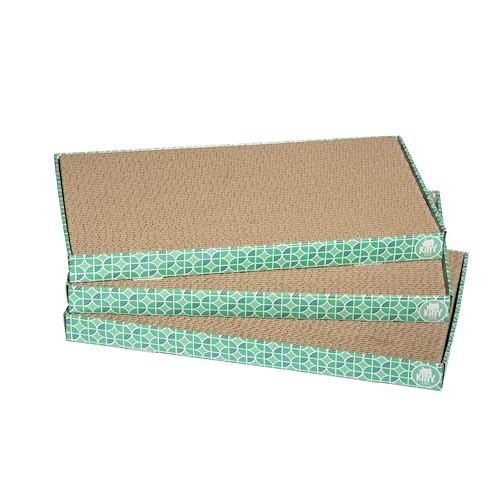
Kitty City Extra-Large Corrugated Cat Scratcher
Best Horizontal Scratcher

Kitty City Extra-Large Corrugated Cat Scratcher

View on Amazon

A flat, recyclable cardboard scratcher that appeals to cats who prefer horizontal scratching. It's quiet and can be placed directly inside or next to the carrier. The downside is it wears out faster than sisal posts and needs replacement every few months.

#3
Frisco 32-Inch Natural Sisal Cat Scratching Post
Best Value

Frisco 32-Inch Natural Sisal Cat Scratching Post

View on Amazon

Budget-friendly option with a solid wood base and sisal rope. It offers good stability and height. The material is less densely wrapped than premium posts, so it may fray sooner. Still, it's a reliable choice for carrier training.

#4
Molly and Friend Lotus Cat Scratching Post
Best Design

Molly and Friend Lotus Cat Scratching Post

View on Amazon

Features a unique lotus-shaped base that doubles as a small bed, and a tall sisal post. The design encourages climbing and lounging near the carrier. The base is not as heavy as some, so it may shift on slick floors without a non-slip pad.

#5
Catit Style Sushi Scratch & Lounge
Best Multi-Function

Catit Style Sushi Scratch & Lounge

View on Amazon

Combines a scratching post with a cozy hideaway, which can serve as a carrier substitute. The cardboard scratching surface is replaceable. It's lower to the ground, so tall cats may not get a full stretch. Ideal for small spaces.

Before You Buy

Key Buying Factors

01

Stability

A post that wobbles or tips can frighten a nervous cat. Look for a wide, heavy base or wall-mounting options.

02

Material

Sisal rope is the most durable and satisfying for cats. Avoid carpet-covered posts as they can encourage destructive scratching on rugs.

03

Height

Tall posts (over 30 inches) allow full-body stretching, which helps release tension and promotes relaxation.

04

Placement

Position the post near the carrier to create a positive association. Gradually move the carrier closer over time if needed.

05

Replaceability

Cardboard scratchers wear out quickly but are inexpensive to replace. Sisal posts last longer but may need re-roping after heavy use.

Living With It

Care, Cost and Maintenance

Cleaning Sisal Posts

Wipe the sisal with a damp cloth to remove dust. Avoid soaking the rope as it may shrink. Use a stiff brush to remove loose fibers. Sprinkle catnip to refresh interest.

Replacing Cardboard Scratchers

Replace cardboard scratchers when they become heavily frayed or lose shape. Most last 2 to 4 months depending on use. Flip the pad over to extend life.

Encouraging Use

Place the post near the carrier and rub catnip on it. Gently guide your cat's paws in a scratching motion. Reward with treats when they use it. Never force the cat, as this can increase stress.

Pro tip

To speed up carrier acceptance, place a scratching post inside the carrier (with the door removed or propped open) and let your cat explore it at their own pace. Eventually, the carrier becomes a familiar, non-threatening space.

Frequently asked questions

How often should I change my cat's scratching post?
Sisal posts can last 1 to 3 years depending on usage. Replace them when the rope becomes frayed to the point of shedding or if the post becomes unstable. Cardboard scratchers typically need replacement every 2 to 4 months. Signs of wear include loose fibers, reduced structural integrity, or when your cat stops using it. Regular rotating of posts can extend their lifespan.
Is sisal or cardboard better for scratching?
Both have benefits. Sisal is more durable and provides satisfying resistance for claw shedding. It is also better for vertical scratching. Cardboard is quieter and appeals to cats that prefer horizontal scratching. Many cats enjoy both types. For a carrier-hating cat, we recommend starting with a sisal post for longevity and stability, then adding a cardboard scratcher near the carrier as a familiar comfort item.
Can a scratching post help with carrier anxiety?
Yes, a scratching post placed near the carrier can create positive associations. Cats often scratch to mark territory with scent glands in their paws, so a post near the carrier helps them claim that area. Over time, the carrier becomes less threatening. Combine this with gradual desensitization: place treats near the carrier and eventually inside. The post serves as a calming anchor during training.
How do I choose the right height for my cat?
A good scratching post should allow your cat to fully stretch without the base lifting. As a rule of thumb, choose a post at least as tall as your cat's length from nose to tail tip. Most adult cats benefit from posts 30 to 36 inches tall. If your cat is elderly or has arthritis, a shorter post or horizontal scratcher may be more comfortable.
What materials are best for sensitive cats?
For cats with allergies or respiratory issues, choose unscented, dust-free materials. Natural sisal is generally low-dust and hypoallergenic. Avoid posts treated with artificial fragrances or chemical adhesives. Cardboard scratchers are also low-dust but may produce small particles. Look for posts made with non-toxic glues and untreated wood. If your cat has skin sensitivities, supervise initial use.
How many scratching posts should I have for multiple cats?
The general rule is one scratching post per cat, plus one extra. For example, two cats should have at least three posts. Place them in different areas to prevent territorial disputes. Ensure each post is stable and tall enough for the largest cat. Multi-cat households benefit from having both vertical and horizontal options to cater to different preferences.
Should I choose a scented or unscented scratching post?
Unscented is almost always better. Cats have a much stronger sense of smell than humans, and artificial fragrances can be off-putting or even irritating. Some posts are infused with catnip, which is natural and generally well-tolerated. If you want to attract your cat, sprinkle loose catnip on the post instead of relying on built-in scents.
My cat ignores the scratching post. What should I do?
First, check the post's stability and material. A wobbly post is often ignored. Try moving the post to a high-traffic area or near where your cat already scratches. Use positive reinforcement: reward with treats or play when your cat shows interest. You can also rub catnip on the post or use a pheromone spray like Feliway to reduce stress and encourage use. Never force your cat's paws onto the post.
Can I use a scratching post to train my cat to accept a carrier?
Yes. Start by placing the post next to the closed carrier. Once your cat consistently uses the post, move the carrier a few inches closer each day. Eventually, place the post inside the carrier with the door open. The familiar scratching surface can make the carrier feel safe. Combine with treats and gradual carrier closure for short periods. This process may take weeks, so be patient.
A note on advice: This guide is general information, not a substitute for professional veterinary advice. Talk to your vet before changing your dog's diet or care routine, especially if your dog has allergies, kidney disease, pancreatitis, obesity, heart disease or any other medical condition.
Transparency

How we made this guide

How we chose. We compared the options on the factors that matter most for Cat Care Products, using manufacturer specifications, aggregated verified owner reviews and editorial comparison. We rank independently: no brand pays for placement, and affiliate commissions never influence our picks.

How it was written. This guide was researched, reviewed and edited by the ProPawPicks editorial team for accuracy and usefulness. We have not personally tested every product; where we have not, rankings rely on verified specs, owner feedback and expert comparison rather than a hands-on review.

Affiliate disclosure. ProPawPicks is reader-supported. If you buy through links on our site, we may earn a commission at no extra cost to you. See our affiliate disclosure.

Keep Reading

More Cat Care Products guides

Indoor cat fences: best invisible dog fence for cats in 2026View picks โ†’Invisible Fence for Cat, RankedView picks โ†’Iprimio Cat Litter Scoops, ReviewedView picks โ†’Joint Relief for Cats That DeliverView picks โ†’Best Joint Supplements for Dogs for Indoor Cats 2026: Top 5 PicksView picks โ†’Best Kibble Cat Food 2026: 5 Top Picks ComparedView picks โ†’

Sources and further reading

Some links below are affiliate links. If you buy through them we may earn a small commission at no extra cost to you. Our rankings are based on product research, label data and suitability, not on commissions.