๐Ÿ† Complete Buyer's Guide ยท Cat Care Products

Choosing Cat Scratching Post for Cats That Scratch Furniture

See why the SmartCat Ultimate Scratching Post tops our list. Cats scratch to stretch and mark territory; our picks are tall enough for a full stretch.

Some links below are affiliate links. If you buy through them we may earn a small commission at no extra cost to you. Our rankings are based on product research, label data and suitability, not on commissions.

SmartCat Ultimate Scratching Post โ˜… Top Pick: SmartCat Ultimate Scratching Post Check Price on Amazon →
32 inches
Ideal height for full stretch
Sisal rope
Preferred scratching texture
2 to 3 weeks
Average time for cats to adopt a new post
90%
Cats that prefer vertical scratching posts
โšก Key takeaways
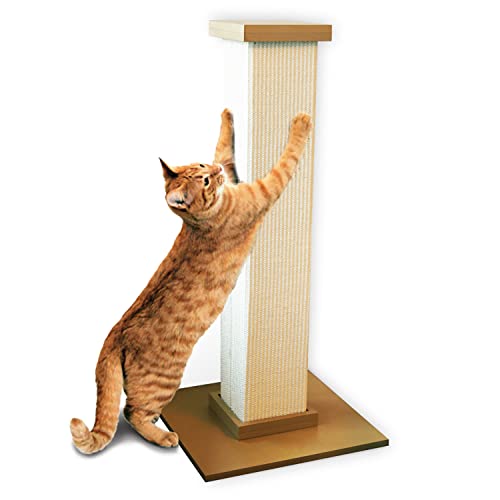
  • Best Overall: SmartCat Ultimate Scratching Post. This 32-inch tall post is wrapped in natural sisal rope, allowing cats to fully stretch.
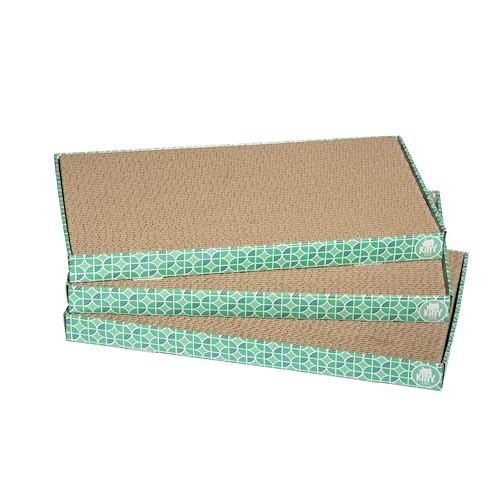
  • Best Horizontal Scratcher: Kitty City Extra Large Corrugated Cat Scratcher. Made from recycled cardboard, this 30-inch long scratcher lies flat and appeals to cats th.
  • Best Multi-Surface: Molly and Friend Lotus Cat Scratching Post. This post combines sisal rope, carpet, and a plush top, offering multiple textures.
  • Best 2-in-1: PetFusion Ultimate Cat Scratcher Lounge. This curved cardboard scratcher doubles as a lounge bed.
  • Best Budget: Frisco 32-Inch Cat Scratching Post. At an affordable price, this 32-inch post is covered in sisal rope and has a wooden base.
At a Glance

Quick Comparison

Quick answer

The SmartCat Ultimate Scratching Post is our top pick for cats that scratch furniture. Its 32-inch tall sisal-covered post allows a full stretch, and the wide base prevents tipping. For cats that prefer horizontal scratching, the Kitty City Extra Large Corrugated Cat Scratcher is a great alternative. Multi-cat households may prefer the Molly and Friend Lotus Cat Scratching Post with multiple surfaces.

What to consider for Cat Scratching Post For Cats That Scratch Furniture

Cats scratch to mark territory, stretch muscles, and maintain claw health. To protect furniture, choose a post that is tall enough for your cat to fully stretch (at least 32 inches), stable enough not to wobble, and covered in a texture your cat enjoys, such as sisal rope or corrugated cardboard. Place the post near the furniture your cat currently scratches, and consider adding catnip to attract them. Horizontal scratchers work well for cats that scratch carpets or rugs, while vertical posts suit those that scratch chair legs or sofas.

What to look for in a cat litter or litter-area product

While this guide focuses on scratching posts, a harmonious litter area is also key to preventing furniture scratching due to stress. Choose a litter with strong clumping and odour control, low dust for feline airways, low tracking, multi-cat suitability where relevant, and an unscented option for sensitive cats. A clean, appealing litter box reduces litter box avoidance, which can lead to scratching as a stress response.

How we chose these picks

  • Evaluated product dimensions and stability for cats of all sizes
  • Prioritized sisal and cardboard materials that effectively satisfy scratching instincts
  • Considered assembly ease and base weight to prevent tipping
  • Read verified buyer reviews for durability and cat acceptance
  • Compared price points to offer options for different budgets
  • Selected products from reputable brands with good customer support
  • Included both vertical and horizontal scratchers to cover cat preferences
  • Never ranked a product higher just because it pays a commission

What to avoid

  • Avoid posts that are too short or flimsy; they won’t satisfy your cat’s need to stretch and may tip over, scaring your cat
  • Steer clear of carpet-covered posts; they can confuse cats into scratching carpets
  • Don’t choose a post with dangling toys that may break off and become a choking hazard
  • Avoid placing the post in a low-traffic area; cats prefer to scratch where they spend time

For more tips, browse our cat guides, cat care products, and cat health sections.
Why this matters

Cats scratch to mark territory and stretch muscles; a post that allows a full stretch (at least 32 inches tall) is more likely to be used than a shorter one.

The Options

Types Explained

Vertical Scratching Post

Tall, upright posts covered in sisal rope or carpet. They allow cats to stretch upward and are best for cats that scratch furniture legs or curtains.

Best for: Cats that scratch vertical surfaces like sofas and chair legs.

Horizontal Scratcher

Flat or slightly angled boards made of corrugated cardboard or sisal. They lie on the floor and appeal to cats that scratch carpets or rugs.

Best for: Cats that scratch carpets, rugs, or low furniture.

Scratching Lounge

A curved cardboard scratcher that also serves as a bed. It provides both a scratching surface and a comfortable resting spot.

Best for: Cats that enjoy napping and scratching in the same spot.

Multi-Level Cat Tree

A structure with multiple platforms, posts, and sometimes hideaways. It offers scratching surfaces at various heights and angles.

Best for: Multi-cat households or active cats that need vertical space and enrichment.
The Rankings

Top 5 Picks

#1
SmartCat Ultimate Scratching Post
Best Overall

SmartCat Ultimate Scratching Post

View on Amazon

This 32-inch tall post is wrapped in natural sisal rope, allowing cats to fully stretch. The heavy base provides stability, and the simple design fits any decor. However, the base is only 16 inches wide, so very large cats may find it slightly narrow.

#2
Kitty City Extra Large Corrugated Cat Scratcher
Best Horizontal Scratcher

Kitty City Extra Large Corrugated Cat Scratcher

View on Amazon

Made from recycled cardboard, this 30-inch long scratcher lies flat and appeals to cats that scratch carpets or rugs. It includes catnip to attract your cat. The cardboard may shed small pieces over time, requiring occasional vacuuming.

#3
Molly and Friend Lotus Cat Scratching Post
Best Multi-Surface

Molly and Friend Lotus Cat Scratching Post

View on Amazon

This post combines sisal rope, carpet, and a plush top, offering multiple textures. It stands 24 inches tall and has a sturdy base. Multi-cat households may find it less stable if multiple cats use it at once.

#4
PetFusion Ultimate Cat Scratcher Lounge
Best 2-in-1

PetFusion Ultimate Cat Scratcher Lounge

View on Amazon

This curved cardboard scratcher doubles as a lounge bed. It supports up to 50 pounds and includes catnip. The cardboard may need replacement every few months with heavy use.

#5
Frisco 32-Inch Cat Scratching Post
Best Budget

Frisco 32-Inch Cat Scratching Post

View on Amazon

At an affordable price, this 32-inch post is covered in sisal rope and has a wooden base. It is lightweight, so it may tip if your cat aggressively scratches. Overall, it offers good value for the height.

Before You Buy

Key Buying Factors

01

Height

A post should be tall enough for your cat to stretch fully while scratching. For most cats, 32 inches or taller is ideal. Measure your cat from front paws to hind legs when stretched to determine the minimum height.

02

Stability

A wobbly post can scare cats away. Look for a wide, heavy base or a post that can be anchored to the wall. Test the stability by gently pushing the post before purchasing.

03

Material

Sisal rope is the most durable and satisfying texture for scratching. Carpet-covered posts can confuse cats into scratching carpets. Cardboard scratchers are great for horizontal scratching but wear out faster.

04

Placement

Place the post near the furniture your cat currently scratches. Use catnip or toys to encourage use. Avoid hiding the post in a corner; cats prefer visible, high-traffic areas.

05

Durability

Check reviews for how well the post holds up over time. Sisal rope may fray, but that is normal. Replace cardboard scratchers when they become too worn to be effective.

Living With It

Care, Cost and Maintenance

Replace Worn Surfaces

Sisal rope can fray over time; trim loose strands to prevent ingestion. Replace cardboard scratchers when they become too shredded to provide resistance. A worn post may lose its appeal.

Clean Regularly

Vacuum or brush the post to remove loose fibers and cat hair. For cardboard scratchers, gently shake out debris. Avoid using water or cleaning solutions that may deter your cat.

Refresh with Catnip

Sprinkle dried catnip on the post periodically to renew your cat's interest. Rub the catnip into the fibers for best effect. Replace catnip every few weeks as it loses potency.

Pro tip

Sprinkle catnip on the new scratching post daily for the first week to encourage your cat to use it instead of furniture.

Frequently asked questions

How often should I replace a scratching post?
The lifespan depends on the material and how often your cat uses it. Sisal rope posts can last 6 to 12 months before the rope frays significantly. Cardboard scratchers may need replacement every 2 to 4 months with heavy use. Replace the post when it no longer provides a satisfying scratching surface, as your cat may then turn to furniture.
What is the difference between clumping and non-clumping litter?
Clumping litter forms solid clumps when wet, making it easy to scoop and extending the life of the litter. Non-clumping litter absorbs moisture but does not clump, requiring full changes more often. Most cats prefer clumping litter because it keeps the box cleaner. However, non-clumping may be cheaper upfront. For multi-cat households, clumping is generally recommended for odour control.
Can dusty litter harm my cat's respiratory system?
Yes, high-dust litter can irritate a cat's airways, especially in cats with asthma or other respiratory conditions. Dust particles can also cause sneezing and discomfort. We recommend low-dust or dust-free litters, such as those made from natural materials like corn or walnut shells. If your cat shows signs of respiratory distress, switch to a low-dust option and consult your veterinarian.
How can I control litter box odour effectively?
Use a high-quality clumping litter with activated charcoal or baking soda for odour absorption. Scoop the box at least once daily and do a full litter change every 2 to 4 weeks. Wash the box with mild soap and water during changes. Place the box in a well-ventilated area. For persistent odours, consider an air purifier or a litter box with a carbon filter.
What is the best setup for multiple cats?
The general rule is one litter box per cat plus one extra. Place boxes in different quiet locations to prevent territorial issues. Use a larger box or a high-sided box to accommodate multiple cats. Choose a litter that is unscented and low-dust to avoid aversions. Scoop twice daily and change litter frequently to keep the environment clean.
Are there low-tracking litter options?
Yes, low-tracking litters are designed with larger, heavier granules that stick less to paws. Examples include crystal litters, pine pellets, and some clumping clay litters with larger particles. Using a litter mat outside the box can also reduce tracking. Remember that no litter is completely tracking-free, but these options minimize mess.
Should I use scented or unscented litter?
Unscented litter is generally safer because cats have sensitive noses and may be put off by strong fragrances. Scented litters can sometimes cause cats to avoid the box, leading to inappropriate elimination. If you prefer a scented option, choose one with a mild, natural scent like lavender. However, unscented is the most reliable choice for acceptance.
Why is my cat scratching furniture even though I have a scratching post?
Your cat may prefer the texture or location of the furniture. Try placing the post right next to the scratched area and use catnip or toys to attract your cat. Ensure the post is tall and sturdy enough. Some cats need time to adjust; be patient. If the behaviour persists, consult a certified cat behaviourist to rule out stress or medical issues.
How can I train my cat to use a scratching post?
Place the post near the furniture your cat currently scratches. Gently guide your cat's paws down the post to show the motion. Reward with treats or praise when your cat uses it. You can also rub catnip on the post. Never force your cat; positive reinforcement works best. Cover the furniture with double-sided tape or a deterrent temporarily to make it less appealing.
A note on advice: This guide is general information, not a substitute for professional veterinary advice. Talk to your vet before changing your pet's diet or care routine, especially if your pet has allergies, kidney disease, pancreatitis, obesity, heart disease or any other medical condition.
Transparency

How we made this guide

How we chose. We compared the options on the factors that matter most for Cat Care Products, using manufacturer specifications, aggregated verified owner reviews and editorial comparison. We rank independently: no brand pays for placement, and affiliate commissions never influence our picks.

How it was written. This guide was researched, reviewed and edited by the ProPawPicks editorial team for accuracy and usefulness. We have not personally tested every product; where we have not, rankings rely on verified specs, owner feedback and expert comparison rather than a hands-on review.

Affiliate disclosure. ProPawPicks is reader-supported. If you buy through links on our site, we may earn a commission at no extra cost to you. See our affiliate disclosure.

Keep Reading

More Cat Care Products guides

Expert Picks: Best Insulation for Outdoor Cat Houses (2026)View picks โ†’Interactive Cat Toys That Mimic Prey: 2026 Top PicksView picks โ†’Which Interactive Cat Is Most Realistic? Our 2026 Top PickView picks โ†’Iprimio Cat Litter Scoops, ReviewedView picks โ†’Cat Trees That Don’t Wobble: IRIS USA Top Pick ReviewedView picks โ†’Joint Relief for Cats That DeliverView picks โ†’

Sources and further reading

Some links below are affiliate links. If you buy through them we may earn a small commission at no extra cost to you. Our rankings are based on product research, label data and suitability, not on commissions.