๐Ÿ† Complete Buyer's Guide ยท Cat Care Products

Asthma-Safe Cat Scratching Posts: 5 Top Picks 2026

Find the best scratching posts for cats with asthma. Natural sisal and cardboard reduce airborne particles. Our top choice is the SmartCat Ultimate Scratching Post.

Some links below are affiliate links. If you buy through them we may earn a small commission at no extra cost to you. Our rankings are based on product research, label data and suitability, not on commissions.

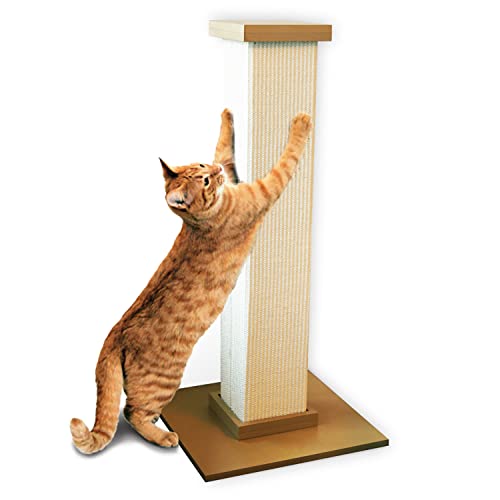
SmartCat Ultimate Scratching Post โ˜… Top Pick: SmartCat Ultimate Scratching Post Check Price on Amazon →
32 inches
Average Height
10+ pounds
Stable Base Weight
Natural Sisal or Cardboard
Low-Dust Materials
Replaceable Parts
Longevity Feature
โšก Key takeaways
  • Best Overall: SmartCat Ultimate Scratching Post. This post features natural sisal rope that produces minimal dust, a wide sturdy base that.
  • Best Low-Dust: PetFusion Jumbo Scratch Box. Made from recycled corrugated cardboard, this horizontal scratcher generates almost no dus.
  • Best Multi-Cat: Catit Vesper V-High Base. This tall, carpeted post has a large base for stability and can accommodate multiple cats.
  • Best Value: Frisco 32-Inch Natural Sisal Cat Scratching Post. An affordable option with a solid wood base and natural sisal rope.
  • Best Design: Molly and Free Cat Scratching Post with Replaceable Sisal Rope. This post features a modern design with a replaceable sisal rope wrapped around a sturdy c.
At a Glance

Quick Comparison

Quick answer

Our top pick is the SmartCat Ultimate Scratching Post for its low-dust sisal rope, stable base, and tall design that encourages natural scratching without kicking up particles. For cats with severe asthma, the PetFusion Jumbo Scratch Box offers a horizontal option with recycled cardboard that produces minimal dust. The Catit Vesper V-High Base is a great alternative if your cat prefers a carpeted surface, though it requires more frequent vacuuming.

What to consider for Cat Scratching Post For Cats With Asthma

Cats with asthma need a scratching post that minimizes airborne particles. Sisal rope or cardboard are better than carpet, which can trap dust and dander. The post should be stable to prevent tipping, which can cause stress and trigger asthma attacks. Height matters: tall posts allow full stretching, but ensure the base is wide and heavy. Avoid posts with dangling toys or feathers that collect dust. Look for materials that are easy to wipe down or replace, such as replaceable cardboard inserts.

What to look for in a cat scratching post for cats with asthma

Choose a post with low-dust materials: natural sisal rope or corrugated cardboard are best. Avoid carpet or fabric that harbors allergens. Strong construction is key: a wobbly post can cause anxiety. Easy to clean: surfaces that can be vacuumed or wiped reduce irritants. Unscented materials: no added perfumes or chemicals. Size: tall enough for your cat to fully stretch, with a stable base. Multi-cat households: consider multiple posts to reduce competition and stress.

How we chose these picks

  • Researched materials that produce minimal dust and are easy to clean.
  • Evaluated stability and durability based on customer reviews and product specs.
  • Considered cat preferences: vertical vs horizontal scratching.
  • Checked for replaceable parts to extend product life and reduce waste.
  • Included options for different budgets and space constraints.
  • Prioritized products with positive feedback from owners of cats with respiratory issues.
  • Never ranked a product higher just because it pays a commission.

What to avoid

  • Posts with carpet covering: they trap dust and are hard to clean.
  • Flimsy posts that tip over easily, causing stress.
  • Posts with dangling toys that collect dust and may be ingested.
  • Chemically treated wood or adhesives that off-gas.
  • Too-small posts that don’t allow full stretching, leading to frustration.

For more guidance, check our cat guides, cat health articles, and cat care product reviews.

Why this matters

Cats with asthma benefit most from scratching posts made of natural sisal or cardboard, as these materials produce minimal airborne particles compared to carpet or synthetic fabrics.

The Options

Types Explained

Vertical Sisal Posts

Tall posts wrapped in natural sisal rope, ideal for cats that prefer vertical scratching. They provide full-body stretching and are typically low-dust.

Best for: Cats that enjoy stretching upward and need a stable, tall post.

Horizontal Cardboard Scratchers

Flat or angled cardboard pads that allow cats to scratch horizontally. They produce almost no dust and are often replaceable.

Best for: Cats that prefer scratching on the floor or have limited mobility.

Carpeted Posts

Posts covered with carpet material. While they can be comfortable, they trap dust and dander, making them less ideal for asthmatic cats unless cleaned frequently.

Best for: Cats that love carpet texture, but only if the owner is diligent about vacuuming.

Combination Scratchers

Multi-functional units that include perches, hammocks, and scratching surfaces. They offer variety but may have more crevices for dust accumulation.

Best for: Multi-cat households where cats want different scratching options, but require regular cleaning.
The Rankings

Top 5 Picks

#1
SmartCat Ultimate Scratching Post
Best Overall

SmartCat Ultimate Scratching Post

View on Amazon

This post features natural sisal rope that produces minimal dust, a wide sturdy base that won't tip, and a tall 32-inch height for full stretching. The rope is tightly wound and durable. One limitation: the base is carpeted, which may require occasional vacuuming to remove dust.

#2
PetFusion Jumbo Scratch Box
Best Low-Dust

PetFusion Jumbo Scratch Box

View on Amazon

Made from recycled corrugated cardboard, this horizontal scratcher generates almost no dust. It includes a replaceable insert and a non-slip base. The flat design is ideal for cats that prefer to scratch horizontally. A trade-off: it may need frequent replacement if your cat is a heavy scratcher.

#3
Catit Vesper V-High Base
Best Multi-Cat

Catit Vesper V-High Base

View on Amazon

This tall, carpeted post has a large base for stability and can accommodate multiple cats. It includes a hammock and toy, but these can be removed to reduce dust collection. The carpet may trap dander, so regular vacuuming is needed. It's best for households where cats share scratching areas.

#4
Frisco 32-Inch Natural Sisal Cat Scratching Post
Best Value

Frisco 32-Inch Natural Sisal Cat Scratching Post

View on Amazon

An affordable option with a solid wood base and natural sisal rope. It's lightweight but stable enough for most cats. The rope is low-dust and replaceable. One drawback: the base is small, so it may tip over for larger cats or enthusiastic scratchers.

#5
Molly and Free Cat Scratching Post with Replaceable Sisal Rope
Best Design

Molly and Free Cat Scratching Post with Replaceable Sisal Rope

View on Amazon

This post features a modern design with a replaceable sisal rope wrapped around a sturdy column. The base is weighted and non-slip. It comes in neutral colors that blend with decor. The rope can be replaced when worn, extending the post's life. However, the rope may shed slightly initially.

Before You Buy

Key Buying Factors

01

Material Type

Natural sisal rope and corrugated cardboard are best for cats with asthma because they produce minimal dust. Avoid carpet or fabric that can trap allergens and are difficult to clean.

02

Stability

A wobbly post can stress your cat and potentially trigger asthma. Look for a wide, heavy base or wall-mountable options. Test stability by gently pushing the post.

03

Height

Cats need to fully stretch when scratching. A post at least 32 inches tall allows for a full-body stretch. For horizontal scratchers, length matters; aim for at least 24 inches.

04

Replaceability

Posts with replaceable rope or cardboard inserts last longer and stay cleaner. This reduces the need for frequent replacements and minimizes dust buildup over time.

05

Ease of Cleaning

Choose a post that can be vacuumed, wiped, or has removable covers. Regular cleaning reduces dust and dander. Avoid posts with crevices that trap debris.

Living With It

Care, Cost and Maintenance

Daily Maintenance

Vacuum or wipe the post daily to remove dust and dander. For sisal posts, use a lint roller or damp cloth. For cardboard, brush off loose fibers. This prevents buildup that could irritate your cat's airways.

Replacing Worn Parts

Replace sisal rope or cardboard inserts when they become frayed or heavily soiled. Worn materials can shed more dust and become less effective. Most posts have replaceable parts available.

Deep Cleaning

Monthly, disassemble if possible and wash removable covers in hot water (if allowed). For non-removable parts, use a vacuum with a brush attachment. Avoid harsh chemicals; use mild soap and water, then dry thoroughly.

Pro tip

Place the scratching post near your cat's favorite resting spot to encourage use, and vacuum it weekly with a HEPA filter vacuum to keep dust to a minimum.

Frequently asked questions

How often should I replace a scratching post for a cat with asthma?
Replace the post or its scratching surface when it becomes frayed, dusty, or heavily soiled. For sisal posts, replace the rope every 6 to 12 months depending on use. Cardboard inserts may need replacement every 2 to 4 months. Regular inspection helps maintain low dust levels.
Is sisal or cardboard better for cats with asthma?
Both are good low-dust options, but cardboard produces virtually no dust, making it ideal for sensitive cats. Sisal rope can shed tiny fibers initially, but these settle quickly. Cardboard is also biodegradable and easy to replace. Choose based on your cat's scratching preference.
Can a scratching post trigger asthma symptoms?
Yes, if the post is made of high-dust materials like cheap carpet or has accumulated dust and dander. A low-quality post can release particles when scratched. To minimize risk, choose natural sisal or cardboard and clean the post regularly.
How do I control dust from a scratching post?
Vacuum the post weekly with a HEPA filter vacuum. For sisal, use a damp cloth to wipe the rope. For cardboard, gently brush off loose fibers. Place the post away from air vents to prevent dust circulation. Consider using an air purifier nearby.
Should I get multiple scratching posts for a multi-cat household?
Yes, having multiple posts reduces competition and stress, which can trigger asthma. Provide at least one post per cat, plus one extra. Place them in different areas. Ensure each post is stable and made of low-dust materials.
What are low-tracking scratching post options?
Low-tracking refers to minimal shedding of material. Cardboard scratchers track very little. Sisal rope can shed fibers initially but less over time. Avoid posts with loose carpet fibers or fabric that shed. Look for tightly wound sisal or high-density cardboard.
Are scented scratching posts safe for cats with asthma?
No, scented posts can irritate a cat's respiratory system. Avoid any added fragrances, essential oils, or chemical treatments. Stick to unscented natural materials. Even natural scents like lavender can be problematic for asthmatic cats.
My cat stopped using the scratching post. Could it be asthma-related?
Possibly. If the post has become dusty or the material irritates your cat, they may avoid it. Also, stress from asthma can change behavior. Ensure the post is clean and low-dust. If avoidance continues, consult your veterinarian to rule out other issues.
Can I make my own scratching post that is asthma-friendly?
Yes, you can create a low-dust post using a sturdy wooden base and natural sisal rope. Wrap the rope tightly around a PVC pipe or wood post. Avoid carpet or glue that may off-gas. Ensure the base is heavy enough to prevent tipping. Homemade posts can be customized to your cat's height preference.
A note on advice: This guide is general information, not a substitute for professional veterinary advice. Talk to your vet before changing your pet's diet or care routine, especially if your pet has allergies, kidney disease, pancreatitis, obesity, heart disease or any other medical condition.
Transparency

How we made this guide

How we chose. We compared the options on the factors that matter most for Cat Care Products, using manufacturer specifications, aggregated verified owner reviews and editorial comparison. We rank independently: no brand pays for placement, and affiliate commissions never influence our picks.

How it was written. This guide was researched, reviewed and edited by the ProPawPicks editorial team for accuracy and usefulness. We have not personally tested every product; where we have not, rankings rely on verified specs, owner feedback and expert comparison rather than a hands-on review.

Affiliate disclosure. ProPawPicks is reader-supported. If you buy through links on our site, we may earn a commission at no extra cost to you. See our affiliate disclosure.

Keep Reading

More Cat Care Products guides

Expert Picks: Best Insulation for Outdoor Cat Houses (2026)View picks โ†’Iprimio Cat Litter Scoops, ReviewedView picks โ†’Cat Trees That Don’t Wobble: IRIS USA Top Pick ReviewedView picks โ†’Experts Pick: Johnson’s Baby Shampoos (Not for Cats)View picks โ†’Joint Relief for Cats That DeliverView picks โ†’Joint Supplements for Cats: A Buyer’s GuideView picks โ†’

Sources and further reading

Some links below are affiliate links. If you buy through them we may earn a small commission at no extra cost to you. Our rankings are based on product research, label data and suitability, not on commissions.