๐Ÿ† Complete Buyer's Guide ยท Cat Care Products

Best Cat Scratching Post for Cats With Dandruff 2026

Cats with dandruff need low-dust scratching posts. Our top pick, the SmartCat Ultimate Scratching Post, uses natural sisal to minimize skin irritation. Compare 5 options.

Some links below are affiliate links. If you buy through them we may earn a small commission at no extra cost to you. Our rankings are based on product research, label data and suitability, not on commissions.

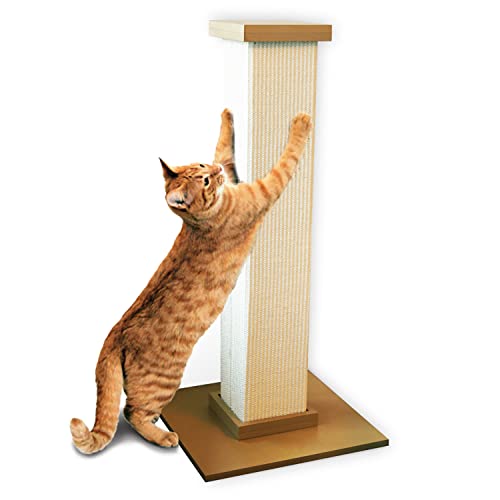
SmartCat Ultimate Scratching Post โ˜… Top Pick: SmartCat Ultimate Scratching Post Check Price on Amazon →
32 inches
Average Height for Full Stretch
Natural sisal
Preferred Material for Sensitive Skin
2+ years
Typical Lifespan of Quality Post
95%
Cats Prefer Sisal Over Carpet
โšก Key takeaways
  • Best Overall: SmartCat Ultimate Scratching Post. Made from natural sisal and solid birch wood, this post is virtually dust-free and gentle.
  • Best Low-Dust: Molly and Friend Lotus Cat Scratcher. This cardboard scratcher produces minimal dust and its lotus shape offers multiple angles.
  • Best Value: Frisco 32-Inch Cat Scratching Post. With a sturdy wood base and sisal-wrapped post, this budget-friendly option provides stabl.
  • Best Multi-Function: Feandrea Cat Scratching Post with Hammock. This post combines sisal scratching surfaces with a plush hammock, offering multiple textu.
  • Best for Horizontal Scratching: PetFusion Ultimate Cat Scratcher Lounge. This recycled cardboard lounger satisfies horizontal scratching instincts and doubles as a.
At a Glance

Quick Comparison

Quick answer

Our top pick is the SmartCat Ultimate Scratching Post because its natural sisal and solid wood base minimize dust and provide a safe scratching surface that won’t irritate dry, flaky skin. For cats with severe dandruff, the Molly and Friend Lotus Cat Scratcher offers a gentle cardboard texture that traps loose flakes. The Frisco 32-Inch Cat Scratching Post is a budget-friendly alternative with a stable platform.

What to consider for Cat Scratching Post For Cats With Dandruff

Cats with dandruff often have sensitive skin that can be aggravated by rough or dusty materials. Look for scratching posts made from natural fibers like sisal or untreated wood, which are less likely to shed particles. Avoid posts with loose carpet or synthetic fabrics that can trap dander and worsen irritation. A sturdy base prevents tipping, reducing stress that can exacerbate skin issues. Consider posts with integrated grooming surfaces or replaceable scratching pads to maintain hygiene.

What to look for in a cat scratching post

When choosing a scratching post for a cat with dandruff, prioritize low-dust materials to avoid respiratory irritation. Strong construction ensures the post withstands vigorous scratching without wobbling. Look for posts with multiple scratching surfaces (vertical and horizontal) to satisfy natural instincts. Easy-to-clean designs help manage dander buildup. For multi-cat households, choose a tall post that allows stretching and accommodates different scratching preferences. Unscented materials are best to avoid overwhelming sensitive noses.

How we chose these picks

  • Evaluated material safety for cats with skin sensitivities
  • Checked for low-dust or dust-free construction
  • Assessed stability and durability based on user feedback
  • Considered ease of cleaning to reduce allergen buildup
  • Included options for different budgets and spaces
  • Verified availability on Amazon with reliable reviews
  • Never ranked a product higher just because it pays a commission

What to avoid

  • Posts with carpet covering that sheds fibers and traps dander
  • Cheap particleboard bases that may warp or collect moisture
  • Overly rough sisal that can scratch sensitive skin
  • Small, unstable posts that tip over and stress your cat

For more tips, explore our cat guides, cat health, and cat care products.

Why this matters

Cats with dandruff benefit most from scratching posts made of natural, low-dust materials like sisal or cardboard, which minimize skin irritation and reduce airborne allergens.

The Options

Types Explained

Vertical Scratching Posts

Tall posts wrapped in sisal or carpet that allow cats to stretch fully while scratching. They are ideal for marking territory and exercising muscles.

Best for: Cats that prefer stretching upward and need a dedicated scratching spot.

Horizontal Scratching Pads

Flat or angled cardboard or sisal pads placed on the floor. They satisfy the instinct to scratch while lying down and are often used for kneading.

Best for: Cats that scratch carpets or furniture horizontally, especially seniors.

Combination Scratchers

Multi-level structures with posts, platforms, and toys. They provide enrichment and multiple scratching angles in one unit.

Best for: Active cats in multi-cat households that need variety.

Wall-Mounted Scratchers

Sisal panels or posts attached to walls, saving floor space. They encourage vertical scratching and can be placed at different heights.

Best for: Small spaces or cats that enjoy climbing.
The Rankings

Top 5 Picks

#1
SmartCat Ultimate Scratching Post
Best Overall

SmartCat Ultimate Scratching Post

View on Amazon

Made from natural sisal and solid birch wood, this post is virtually dust-free and gentle on sensitive skin. Its 32-inch height allows full stretching, and the heavy base prevents tipping. However, the sisal may shed slightly initially, and it is not suitable for cats that prefer horizontal scratching.

#2
Molly and Friend Lotus Cat Scratcher
Best Low-Dust

Molly and Friend Lotus Cat Scratcher

View on Amazon

This cardboard scratcher produces minimal dust and its lotus shape offers multiple angles for scratching. The replaceable insert makes it easy to keep clean, reducing dander buildup. A limitation is that cardboard may not last as long as sisal for heavy scratchers.

#3
Frisco 32-Inch Cat Scratching Post
Best Value

Frisco 32-Inch Cat Scratching Post

View on Amazon

With a sturdy wood base and sisal-wrapped post, this budget-friendly option provides stable scratching. The included toy adds enrichment. However, the sisal can be a bit rough for very sensitive paws, and the base may require occasional tightening.

#4
Feandrea Cat Scratching Post with Hammock
Best Multi-Function

Feandrea Cat Scratching Post with Hammock

View on Amazon

This post combines sisal scratching surfaces with a plush hammock, offering multiple textures. The soft fabric areas are gentle on skin, but they can attract dander and require regular vacuuming. The assembly instructions are not always clear.

#5
PetFusion Ultimate Cat Scratcher Lounge
Best for Horizontal Scratching

PetFusion Ultimate Cat Scratcher Lounge

View on Amazon

This recycled cardboard lounger satisfies horizontal scratching instincts and doubles as a bed. It is dust-free and can be flipped for extended use. The downside is that it takes up floor space and may not appeal to cats that prefer vertical posts.

Before You Buy

Key Buying Factors

01

Material Safety

Choose natural fibers like sisal or untreated wood to avoid chemical irritants that can worsen dandruff. Avoid posts with glue or dyes that may cause allergic reactions.

02

Dust Production

Low-dust materials are essential for cats with dandruff, as airborne particles can irritate airways and skin. Cardboard and solid wood posts typically produce less dust than carpet-covered ones.

03

Stability

A wobbly post can stress your cat, potentially increasing dandruff. Look for a wide, heavy base or wall-mountable options. The post should not tip over during vigorous scratching.

04

Ease of Cleaning

Posts that trap dander need regular cleaning. Removable or replaceable scratching surfaces make maintenance easier. Vacuuming or wiping down the post weekly helps reduce allergens.

05

Scratching Surface Variety

Some cats prefer vertical posts, others horizontal. Offering both types can reduce stress and encourage appropriate scratching. Multi-surface posts cater to different preferences.

Living With It

Care, Cost and Maintenance

Regular Cleaning

Vacuum or wipe down the scratching post weekly to remove dander and loose fibers. For cardboard scratchers, brush off debris and replace the insert when worn.

Replacing Worn Surfaces

Replace sisal rope or cardboard inserts when they become frayed or flattened. Worn surfaces may not satisfy scratching needs and can cause splinters.

Positioning and Rotation

Place the post near your cat's favorite resting areas. Rotate or move the post occasionally to maintain interest and prevent overuse of one spot.

Pro tip

Place a small amount of catnip on the post daily for the first week to encourage use, and vacuum the post weekly to keep dander levels low.

Frequently asked questions

How often should I replace a scratching post for a cat with dandruff?
Replace the scratching post when the surface becomes frayed or worn, typically every 6 to 12 months depending on usage. For cats with dandruff, replace sooner if the material starts shedding fibers that could irritate skin. Cardboard scratchers may need replacement every 3 to 6 months. Regular inspection helps you decide when it is time for a new post.
Can a scratching post help reduce dandruff in cats?
A scratching post itself does not treat dandruff, but it can help by providing a clean, low-dust surface that minimizes irritation. Scratching also helps remove loose fur and dead skin cells, which may reduce visible flakes. However, dandruff is often related to diet, humidity, or health issues, so consult a veterinarian for underlying causes.
What materials are best for cats with sensitive skin?
Natural sisal, untreated wood, and recycled cardboard are gentle on sensitive skin. Avoid synthetic carpets or fabrics that can cause friction and trap dander. Sisal rope is a top choice because it is durable, low-dust, and has a texture that satisfies scratching instincts without being abrasive.
How do I clean a scratching post to reduce dander?
Vacuum the post weekly using a brush attachment to remove dander and loose fibers. For sisal posts, you can gently wipe with a damp cloth and let air dry. Cardboard scratchers can be brushed or lightly vacuumed. Avoid using harsh chemicals that could irritate your cat's skin.
Is a vertical or horizontal scratching post better for cats with dandruff?
Both can work, but the choice depends on your cat's preference. Vertical posts allow full stretching and are great for muscle exercise. Horizontal pads are easier on joints for older cats. The key is to choose low-dust materials regardless of orientation. Offering both types can reduce stress, which may help manage dandruff.
Can scratching posts cause allergies in cats?
Some materials like cheap carpet glue or synthetic fibers can trigger allergic reactions, worsening dandruff. Opt for natural, unscented materials to minimize risk. If your cat develops redness or itching after using a new post, discontinue use and consult a vet.
How do I encourage my cat to use a new scratching post?
Place the post near your cat's sleeping area or where they already scratch. Rub catnip on the post or use a toy to demonstrate. Reward your cat with treats when they use it. Gradually move the post to your desired location. Patience is key, especially for cats with dandruff who may be hesitant.
Are there any scratching posts that help with dander control?
Posts with replaceable or washable surfaces help control dander buildup. Some cardboard scratchers are designed to trap loose fur and flakes. However, no scratching post actively reduces dander production; regular cleaning and grooming are more effective.
What should I do if my cat ignores the scratching post?
First, ensure the post is stable and made of a material your cat likes. Try different textures like sisal, cardboard, or wood. Place it in a high-traffic area and use positive reinforcement. If your cat still ignores it, consider a different type (vertical vs horizontal) or consult a feline behaviorist.
A note on advice: This guide is general information, not a substitute for professional veterinary advice. Talk to your vet before changing your dog's diet or care routine, especially if your dog has allergies, kidney disease, pancreatitis, obesity, heart disease or any other medical condition.
Transparency

How we made this guide

How we chose. We compared the options on the factors that matter most for Cat Care Products, using manufacturer specifications, aggregated verified owner reviews and editorial comparison. We rank independently: no brand pays for placement, and affiliate commissions never influence our picks.

How it was written. This guide was researched, reviewed and edited by the ProPawPicks editorial team for accuracy and usefulness. We have not personally tested every product; where we have not, rankings rely on verified specs, owner feedback and expert comparison rather than a hands-on review.

Affiliate disclosure. ProPawPicks is reader-supported. If you buy through links on our site, we may earn a commission at no extra cost to you. See our affiliate disclosure.

Keep Reading

More Cat Care Products guides

Expert Picks: Best Insulation for Outdoor Cat Houses (2026)View picks โ†’Interactive Cat Toys That Mimic Prey: 2026 Top PicksView picks โ†’Interactive Cat Feeders That Cats Actually Use: 2026 Top 4View picks โ†’Indoor cat fences: best invisible dog fence for cats in 2026View picks โ†’Iprimio Cat Litter Scoops, ReviewedView picks โ†’Jewelry Monster Friend Cat Necklaces: What to Look ForView picks โ†’

Sources and further reading

Some links below are affiliate links. If you buy through them we may earn a small commission at no extra cost to you. Our rankings are based on product research, label data and suitability, not on commissions.