๐Ÿ† Complete Buyer's Guide ยท Cat Care Products

Cat Scratching Post For First Time Owners: 5 Best 2026 Picks

Find the best scratching post for your cat. We compared 5 top models like the Frisco 72-inch tree, focusing on height and sisal rope for healthy scratching.

Some links below are affiliate links. If you buy through them we may earn a small commission at no extra cost to you. Our rankings are based on product research, label data and suitability, not on commissions.

Frisco 72-Inch Cat Tree & Condo โ˜… Top Pick: Frisco 72-Inch Cat Tree & Condo Check Price on Amazon →
30+ inches
Recommended minimum height
Sisal rope
Preferred material
90%
Cats prefer sisal over carpet
1 per cat
Minimum scratching posts recommended
โšก Key takeaways
  • Best Overall: Frisco 72-Inch Cat Tree & Condo. This tall cat tree offers multiple sisal-wrapped posts, perches, and a condo for hiding.
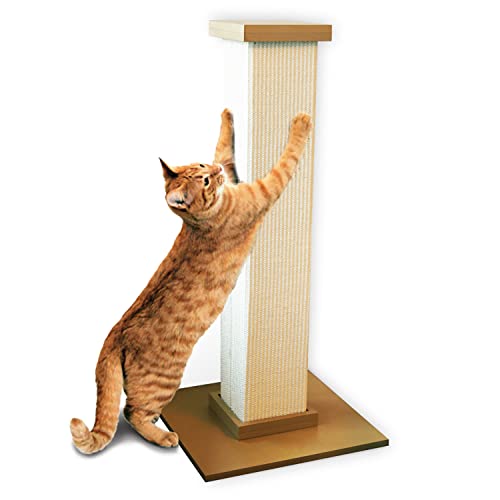
  • Best Tall Post: SmartCat Ultimate Scratching Post. At 32 inches tall, this post is covered in natural sisal and has a wide, sturdy base.
  • Best Budget: SmartyKat Sisal Scratching Post. An affordable, 20-inch sisal post that is lightweight and easy to move.
  • Best Horizontal Scratcher: PetFusion Ultimate Cat Scratcher Lounge. This curved cardboard scratcher doubles as a lounge.
  • Best Design: Molly and Friend Lotus Cat Scratcher. This stylish, lotus-shaped cardboard scratcher offers multiple scratching angles and a coz.
At a Glance

Quick Comparison

Quick answer

The Frisco 72-Inch Cat Tree & Condo is our top pick for its sturdy construction, multiple scratching surfaces, and affordable price. It offers great value for first-time owners. If you have limited space, consider the SmartyKat Sisal Scratching Post. For cats that prefer horizontal scratching, the SmartCat Ultimate Scratching Post is excellent.

What to consider for Cat Scratching Post For First Time Cat Owners

Cats scratch to mark territory, stretch muscles, and maintain claw health. For a first-time owner, it’s important to choose a post that is tall enough for your cat to fully stretch (at least 30 inches), stable so it won’t tip over, and made of appealing materials like sisal rope or corrugated cardboard. Place the post near where your cat already scratches or in a high-traffic area. Avoid posts covered in carpet, as cats may confuse them with floor carpeting.

What to look for in a cat scratching post

Key factors include stability (a wide base or wall-mount option), material (sisal is preferred over carpet), height (enough for a full stretch), and durability. For first-time owners, a simple design without too many platforms or toys may be less intimidating. Also consider the post’s shape: vertical posts are most common, but some cats prefer horizontal or angled surfaces. Look for posts with replaceable parts if possible.

How we chose these picks

  • We analyzed product specifications and customer reviews for stability, material quality, and cat satisfaction.
  • We prioritized posts with a height of at least 30 inches to accommodate most cats.
  • We favored posts covered in natural sisal rope over carpet or other fabrics.
  • We considered only posts with a sturdy base or mounting option to prevent tipping.
  • We looked for products that offer good value for the price, especially for first-time owners.
  • We included a variety of styles (vertical, horizontal, multi-level) to suit different cat preferences.
  • Never ranked a product higher just because it pays a commission.

What to avoid

  • Posts that are too short or unstable, as they won’t be used and may fall over.
  • Carpet-covered posts, which can confuse cats into scratching rugs and carpets.
  • Posts with dangling toys that may pose a choking hazard if not securely attached.
  • Cheap posts made of flimsy materials that will quickly wear out.
  • Ignoring your cat’s scratching style: some cats prefer horizontal surfaces, so a vertical post alone may not work.

For more guidance, check out our cat guides and also see cat care products and cat health.
Why this matters

Most cats prefer scratching posts that are at least 30 inches tall and covered in sisal rope, as this allows them to fully stretch and effectively shed claw sheaths.

The Options

Types Explained

Vertical Scratching Posts

Tall posts covered in sisal or carpet, often with a base and top perch. They mimic tree trunks and are the most common type.

Best for: Cats that prefer vertical scratching and enjoy stretching upward.

Horizontal Scratching Pads

Flat or curved pads made of cardboard or sisal. They can be placed on the floor and are often used as loungers.

Best for: Cats that scratch on the floor or carpets, and for owners who want a low-profile option.

Cat Trees and Condos

Multi-level structures with multiple scratching posts, platforms, and hideaways. They provide exercise and territory.

Best for: Active or multiple cats, and owners who want a piece of cat furniture.

Wall-Mounted Scratchers

Scratching surfaces that attach to walls, saving floor space. They can be angled or vertical.

Best for: Small spaces or cats that scratch on walls or furniture edges.
The Rankings

Top 5 Picks

#1
Frisco 72-Inch Cat Tree & Condo
Best Overall

Frisco 72-Inch Cat Tree & Condo

View on Amazon

This tall cat tree offers multiple sisal-wrapped posts, perches, and a condo for hiding. It's sturdy and provides great value for first-time owners. The only trade-off is assembly can take some time, and the base may need extra support for very active cats.

#2
SmartCat Ultimate Scratching Post
Best Tall Post

SmartCat Ultimate Scratching Post

View on Amazon

At 32 inches tall, this post is covered in natural sisal and has a wide, sturdy base. It's simple yet effective for cats that love vertical scratching. However, it's not suitable for cats that prefer horizontal scratching.

#3
SmartyKat Sisal Scratching Post
Best Budget

SmartyKat Sisal Scratching Post

View on Amazon

An affordable, 20-inch sisal post that is lightweight and easy to move. It's great for first-time owners on a budget, but it may be too short for larger cats and can tip over with enthusiastic scratching.

#4
PetFusion Ultimate Cat Scratcher Lounge
Best Horizontal Scratcher

PetFusion Ultimate Cat Scratcher Lounge

View on Amazon

This curved cardboard scratcher doubles as a lounge. It's perfect for cats that prefer horizontal scratching and is made from recycled materials. The downside is it wears out over time and needs replacement every few months.

#5
Molly and Friend Lotus Cat Scratcher
Best Design

Molly and Friend Lotus Cat Scratcher

View on Amazon

This stylish, lotus-shaped cardboard scratcher offers multiple scratching angles and a cozy nest. It's attractive and functional. However, it's not as durable as sisal posts and may need replacing sooner.

Before You Buy

Key Buying Factors

01

Stability

A scratching post must be stable to prevent tipping over when your cat uses it. Look for a wide, heavy base or wall-mountable options. Unstable posts can frighten your cat and discourage use.

02

Height

Cats need to fully stretch their bodies when scratching, so the post should be at least 30 inches tall. Taller posts also allow for a full stretch and help maintain claw health.

03

Material

Sisal rope is the most appealing material for scratching, as it provides the right texture and resistance. Carpet-covered posts can confuse cats into scratching floor carpets. Cardboard is a good alternative for horizontal scratchers.

04

Placement

Place the scratching post in a high-traffic area where your cat already scratches or near their favorite resting spots. Avoid hiding it in a corner. You can also use catnip to attract your cat to the post.

05

Durability

Check for solid construction and quality materials. Posts that wobble or shed fibers quickly will need replacement sooner. Look for posts with replaceable scratch surfaces to extend the product's life.

Living With It

Care, Cost and Maintenance

Regular Inspection

Check the scratching post weekly for loose fibers, wobbling, or damage. Replace or repair parts as needed to maintain safety and appeal.

Cleaning

Vacuum or brush sisal posts to remove loose fibers and cat hair. Cardboard scratchers can be tapped to remove debris. Avoid using water or cleaners that may remove cat-attracting scents.

Encouraging Use

Sprinkle catnip on the post or use a toy to lure your cat. Place the post near their favorite scratching spot. Reward your cat with treats when they use it.

Pro tip

Sprinkle catnip on the scratching post daily for the first week to encourage your cat to investigate and use it regularly.

Frequently asked questions

How often should I replace a scratching post?
Replace a sisal post when the rope becomes frayed or loose, typically every 6 to 12 months depending on use. Cardboard scratchers may need replacement every 2 to 4 months. Signs of wear include excessive shedding, instability, or the cat losing interest. A fresh post encourages continued scratching and prevents furniture damage.
Why does my cat ignore the scratching post?
Cats may ignore a post if it's unstable, too short, or placed in a low-traffic area. Try moving it near where they already scratch or to a sunny spot. Rub catnip on the post or use a wand toy to direct them. Some cats prefer horizontal scratching, so consider a different style. Patience and positive reinforcement are key.
Can I make my own scratching post?
Yes, you can DIY a scratching post using a wooden post, sisal rope, and a sturdy base. Ensure the post is at least 30 inches tall and the base is wide enough to prevent tipping. Wrap the rope tightly and secure with glue or staples. However, commercially made posts are often more durable and safer.
Is carpet covering okay for scratching posts?
Carpet-covered posts are not recommended because cats may confuse them with floor carpets, leading to unwanted scratching. Sisal rope is preferred as it provides a distinct texture. If you already have a carpet-covered post, you can wrap it in sisal or place it on a tile floor to avoid confusion.
How many scratching posts should I have?
A good rule is one scratching post per cat, plus one extra. Place them in different areas of the home, especially near where your cat sleeps or scratches. Multiple posts reduce competition in multi-cat households and provide options for different scratching preferences.
What if my cat scratches furniture despite having a post?
First, ensure the post is appealing and placed correctly. Use double-sided tape or furniture protectors on scratched areas to deter your cat. Trim your cat's claws regularly to reduce damage. If the behavior persists, consult a certified cat behaviorist for personalized advice.
Are cardboard scratchers durable?
Cardboard scratchers are less durable than sisal posts but are affordable and replaceable. They are great for cats that love horizontal scratching and can be used as loungers. Expect to replace them every few months. Some brands offer refill pads to extend the life.
Can scratching posts help with claw health?
Yes, scratching helps cats shed the outer sheath of their claws, keeping them sharp and healthy. A good scratching post provides the right resistance for this natural behavior. Regular use can reduce the need for claw trimming and prevent overgrown claws that may cause pain.
Should I get a scratching post with toys?
Posts with dangling toys can add entertainment, but ensure toys are securely attached to avoid choking hazards. Some cats may be distracted by toys and not use the scratching surface. For first-time owners, a simple post without toys may be more effective until the cat establishes the scratching habit.
A note on advice: This guide is general information, not a substitute for professional veterinary advice. Talk to your vet before changing your dog's diet or care routine, especially if your dog has allergies, kidney disease, pancreatitis, obesity, heart disease or any other medical condition.
Transparency

How we made this guide

How we chose. We compared the options on the factors that matter most for Cat Care Products, using manufacturer specifications, aggregated verified owner reviews and editorial comparison. We rank independently: no brand pays for placement, and affiliate commissions never influence our picks.

How it was written. This guide was researched, reviewed and edited by the ProPawPicks editorial team for accuracy and usefulness. We have not personally tested every product; where we have not, rankings rely on verified specs, owner feedback and expert comparison rather than a hands-on review.

Affiliate disclosure. ProPawPicks is reader-supported. If you buy through links on our site, we may earn a commission at no extra cost to you. See our affiliate disclosure.

Keep Reading

More Cat Care Products guides

Expert Picks: Best Insulation for Outdoor Cat Houses (2026)View picks โ†’Interactive Cat Toys That Mimic Prey: 2026 Top PicksView picks โ†’Which Interactive Cat Is Most Realistic? Our 2026 Top PickView picks โ†’Interactive Cat Feeders That Cats Actually Use: 2026 Top 4View picks โ†’Indoor cat fences: best invisible dog fence for cats in 2026View picks โ†’Iprimio Cat Litter Scoops, ReviewedView picks โ†’

Sources and further reading

Some links below are affiliate links. If you buy through them we may earn a small commission at no extra cost to you. Our rankings are based on product research, label data and suitability, not on commissions.