๐Ÿ† Complete Buyer's Guide ยท Cat Care Products

Save Your Sofa: Best Cat Scratching Post For Kittens 2026

Kittens form scratching habits by 12 weeks. Our guide explains why the SmartCat Pioneer Pet Ultimate Scratching Post tops our 2026 picks for healthy scratching.

Some links below are affiliate links. If you buy through them we may earn a small commission at no extra cost to you. Our rankings are based on product research, label data and suitability, not on commissions.

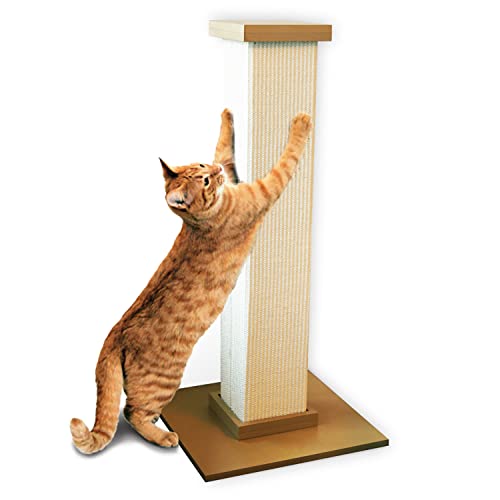
SmartCat Pioneer Pet Ultimate Scratching Post โ˜… Top Pick: SmartCat Pioneer Pet Ultimate Scratching Post Check Price on Amazon →
90%
of kittens prefer sisal rope over carpet
24 inches
minimum height for full stretch
3 to 6 months
ideal age to introduce scratching post
1:1
ratio of scratching posts to cats recommended
โšก Key takeaways
  • Best Overall: SmartCat Pioneer Pet Ultimate Scratching Post. This 32-inch tall post is wrapped in natural sisal rope, which is durable and appealing to.
  • Best Budget: PetFusion Ultimate Cat Scratcher Lounge. This corrugated cardboard lounger serves as both a scratcher and a bed, offering great val.
  • Best Horizontal Scratcher: KONG Naturals Cat Scratcher. Made from recycled cardboard, this scratcher lies flat and is ideal for kittens that prefe.
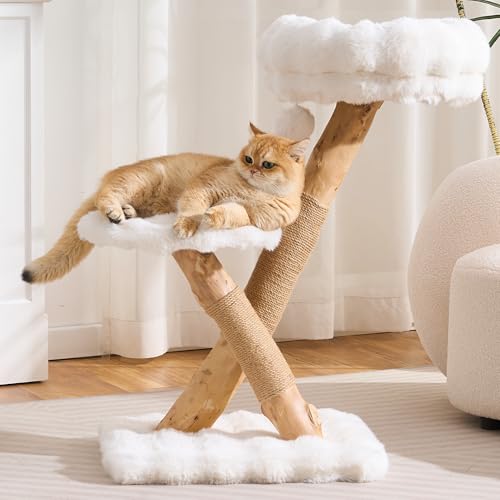
  • Best Design: Molly and Friend Lotus Cat Scratcher. This stylish post features a natural sisal-wrapped column and a plush perch, appealing to.
  • Best Multi-Function: Frisco 32-Inch Cat Tree with Scratching Posts. This cat tree includes multiple sisal-wrapped posts, a hammock, and perches, providing var.
At a Glance

Quick Comparison

Quick answer

The best overall is the SmartCat Pioneer Pet Ultimate Scratching Post because of its sturdy sisal-covered base and tall design that grows with your kitten. For a budget-friendly option, the PetFusion Ultimate Cat Scratcher Lounge doubles as a bed. If your kitten prefers horizontal scratching, the KONG Naturals Cat Scratcher is a great choice.

What to consider for Cat Scratching Post For Kittens

Kittens have different needs than adult cats. They are smaller, so posts should be low enough for them to reach easily, typically under 24 inches tall initially. Stability is crucial because a wobbly post can scare a kitten and discourage use. The material should be sisal rope or corrugated cardboard, as these textures allow kittens to dig in their claws and satisfy the instinct to scratch. Avoid carpet-covered posts, as kittens may confuse them with floor carpeting. Also, consider a post with a dangling toy or ball to attract play and encourage scratching.

What to look for in a cat litter or litter-area product

While this guide focuses on scratching posts, the litter area is equally important for kitten care. Look for strong clumping and odor control to make scooping easy and keep the area fresh. Low dust is essential for a kitten’s developing airways. Low-tracking litter reduces mess outside the box. For multi-cat households, choose a litter that handles multiple cats well. An unscented option is often best for sensitive kittens who may be put off by strong fragrances.

How we chose these picks

  • Evaluated product descriptions and customer reviews for stability, material quality, and size appropriateness for kittens.
  • Prioritized posts with a wide base or wall-mounting option to prevent tipping.
  • Focused on sisal or cardboard scratching surfaces, avoiding carpet.
  • Considered price range to include budget-friendly and premium options.
  • Checked that the post is tall enough to allow full stretching as the kitten grows.
  • Included options that offer additional features like perches or toys to engage kittens.
  • Never ranked a product higher just because it pays a commission.

What to avoid

  • Heavily scented litters that put cats off the box.
  • High-dust clay for cats with breathing issues.
  • A box too small or too few boxes for the number of cats.
  • Sudden litter changes; transition gradually.

For more cat care tips, visit our cat guides, cat food, and cat health sections.

Why this matters

Kittens develop scratching preferences early, so introducing a stable, sisal-covered post by 12 weeks of age can prevent furniture damage and establish lifelong healthy habits.

The Options

Types Explained

Vertical Scratching Post

A tall, freestanding post wrapped in sisal rope that allows cats to stretch fully while scratching. Ideal for kittens that like to scratch upright surfaces.

Best for: Kittens that prefer vertical scratching and need a post that accommodates growth.

Horizontal Scratcher

A flat, often corrugated cardboard pad that lies on the floor. Kittens can scratch while lying down or sitting.

Best for: Kittens that scratch carpets or rugs, as it provides a similar horizontal surface.

Cat Tree with Scratching Posts

A multi-level structure with multiple scratching posts, perches, and sometimes hideaways. Offers variety and exercise.

Best for: Active kittens that need both scratching surfaces and climbing opportunities.

Wall-Mounted Scratcher

A scratching pad that attaches to the wall, saving floor space and providing a vertical surface. Often made of sisal or cardboard.

Best for: Homes with limited floor space or kittens that like to scratch walls or furniture.
The Rankings

Top 5 Picks

#1
SmartCat Pioneer Pet Ultimate Scratching Post
Best Overall

SmartCat Pioneer Pet Ultimate Scratching Post

View on Amazon

This 32-inch tall post is wrapped in natural sisal rope, which is durable and appealing to kittens. Its wide, stable base prevents tipping, and the height allows for full stretching as your kitten grows. The only trade-off is that the base is made of particle board, which may not hold up if it gets wet.

#2
PetFusion Ultimate Cat Scratcher Lounge
Best Budget

PetFusion Ultimate Cat Scratcher Lounge

View on Amazon

This corrugated cardboard lounger serves as both a scratcher and a bed, offering great value. It's low to the ground, perfect for kittens, and the cardboard is replaceable. However, it may not satisfy kittens who prefer vertical scratching, and it can create some cardboard dust.

#3
KONG Naturals Cat Scratcher
Best Horizontal Scratcher

KONG Naturals Cat Scratcher

View on Amazon

Made from recycled cardboard, this scratcher lies flat and is ideal for kittens that prefer horizontal scratching. It comes with catnip to attract your kitten. A downside is that it's not very durable; active kittens may shred it quickly, requiring replacement.

#4
Molly and Friend Lotus Cat Scratcher
Best Design

Molly and Friend Lotus Cat Scratcher

View on Amazon

This stylish post features a natural sisal-wrapped column and a plush perch, appealing to both kittens and owners. The base is sturdy, and the design encourages play. The main limitation is the price, which is higher than many other options.

#5
Frisco 32-Inch Cat Tree with Scratching Posts
Best Multi-Function

Frisco 32-Inch Cat Tree with Scratching Posts

View on Amazon

This cat tree includes multiple sisal-wrapped posts, a hammock, and perches, providing variety for active kittens. It's stable and offers room to grow. However, assembly can be time-consuming, and the carpeted platforms may attract kittens to scratch carpet elsewhere.

Before You Buy

Key Buying Factors

01

Stability

A scratching post must be sturdy enough not to tip over when a kitten jumps on it. Look for a wide, heavy base or wall-mountable options. Wobbly posts can frighten kittens and discourage use.

02

Material

Sisal rope is the most durable and appealing texture for scratching. Corrugated cardboard is also good for kittens that prefer horizontal scratching. Avoid carpet-covered posts as they can confuse kittens into scratching floor carpets.

03

Height

Kittens grow quickly, so choose a post that is at least 32 inches tall to allow full stretching as they mature. For very young kittens, a lower post may be needed initially, but a tall post can be used with encouragement.

04

Attractants

Posts with dangling toys, feathers, or catnip can help attract kittens and encourage scratching. These features make the post more engaging and can speed up training.

05

Durability

Kittens can be rough on scratching posts. Look for tightly wound sisal rope and solid construction. Replaceable parts, like cardboard inserts, can extend the life of the product.

Living With It

Care, Cost and Maintenance

Cleaning the Scratching Post

Vacuum or brush the post weekly to remove loose fibers and cat hair. For sisal posts, spot clean with a damp cloth and mild soap if needed. Avoid soaking the post, as moisture can weaken the structure.

Replacing Worn Surfaces

Replace cardboard scratchers when they become frayed or torn. For sisal posts, trim loose threads to prevent unraveling. If the post becomes too worn, consider replacing it entirely to maintain effectiveness.

Encouraging Use

Place the post near areas where your kitten likes to scratch, such as near furniture or in high-traffic areas. Use catnip or toys to attract them. Reward your kitten with treats when they use the post.

Pro tip

Place the scratching post near your kitten's sleeping area so they can stretch and scratch immediately upon waking, a natural instinct.

Frequently asked questions

How often should I change the litter in the box?
For clumping litter, scoop daily and completely change the litter every 2 to 4 weeks. For non-clumping litter, change it every 1 to 2 weeks. Wash the box with mild soap and water during each full change. Kittens may need more frequent changes due to smaller bladders and more frequent urination.
Is clumping or non-clumping litter better for kittens?
Clumping litter is generally preferred because it makes scooping easier and controls odor better. However, some kittens may ingest clumping litter, which can cause intestinal blockages. If you have a very young kitten (under 4 months), consider using a non-clumping, natural litter until they are older. Always monitor your kitten's litter box habits.
Can dust from cat litter harm my kitten's airways?
Yes, high-dust litters can irritate a kitten's developing respiratory system. Kittens have smaller airways and are more sensitive to dust. Choose a low-dust or dust-free litter, such as those made from paper, wood, or corn. If your kitten shows signs of sneezing or coughing after using the litter box, switch to a low-dust option immediately.
How can I control odor from the litter box?
Scoop the litter box at least once daily to remove solid waste and clumps. Use a litter with good odor control, such as those containing activated charcoal or baking soda. Place the box in a well-ventilated area. Consider using a litter box with a carbon filter. For multi-cat households, have one box per cat plus one extra.
What is the best setup for multiple kittens?
The rule of thumb is one litter box per kitten plus one extra. Place boxes in different locations to give each kitten privacy. Use a larger box or a high-sided box to prevent mess. Choose a litter that works well for multiple cats, such as a clumping, odor-control formula. Clean boxes frequently to avoid territorial issues.
Are there low-tracking cat litters that work well?
Yes, litters made from larger granules, such as pine pellets, paper pellets, or certain crystal litters, tend to track less. Some clumping clay litters also have low-tracking formulas. Placing a litter mat outside the box can catch stray granules. Remember that low-tracking litters may have different odor control or clumping properties, so test a few to find what works.
Should I use scented or unscented litter for my kitten?
Unscented litter is generally recommended for kittens because strong fragrances can deter them from using the box. Kittens have sensitive noses and may associate the scent with an unpleasant experience. If odor is a concern, choose an unscented litter with natural odor control, such as those with baking soda or activated charcoal.
My kitten is scratching furniture despite having a post. What should I do?
First, ensure the scratching post is in a location where your kitten likes to scratch, such as near the furniture they target. Make the post more appealing by adding catnip or dangling toys. Temporarily cover the furniture with double-sided tape or a deterrent spray. Never punish your kitten; instead, reward them for using the post. If the behavior persists, consult a certified cat behaviorist.
How can I train my kitten to use a scratching post?
Place the post in a prominent area and encourage your kitten to investigate by using catnip or treats. Gently guide their paws to the post and reward them when they scratch. Be consistent and patient. If your kitten starts scratching elsewhere, redirect them to the post. Avoid forcing their paws, as this can create a negative association.
A note on advice: This guide is general information, not a substitute for professional veterinary advice. Talk to your vet before changing your dog's diet or care routine, especially if your dog has allergies, kidney disease, pancreatitis, obesity, heart disease or any other medical condition.
Transparency

How we made this guide

How we chose. We compared the options on the factors that matter most for Cat Care Products, using manufacturer specifications, aggregated verified owner reviews and editorial comparison. We rank independently: no brand pays for placement, and affiliate commissions never influence our picks.

How it was written. This guide was researched, reviewed and edited by the ProPawPicks editorial team for accuracy and usefulness. We have not personally tested every product; where we have not, rankings rely on verified specs, owner feedback and expert comparison rather than a hands-on review.

Affiliate disclosure. ProPawPicks is reader-supported. If you buy through links on our site, we may earn a commission at no extra cost to you. See our affiliate disclosure.

Keep Reading

More Cat Care Products guides

Expert Picks: Best Insulation for Outdoor Cat Houses (2026)View picks โ†’Interactive Cat Toys That Mimic Prey: 2026 Top PicksView picks โ†’Invisible Fence for Cat, RankedView picks โ†’Iprimio Cat Litter Scoops, ReviewedView picks โ†’Cat Trees That Don’t Wobble: IRIS USA Top Pick ReviewedView picks โ†’Jewelry Monster Friend Cat Necklaces: What to Look ForView picks โ†’

Sources and further reading

Some links below are affiliate links. If you buy through them we may earn a small commission at no extra cost to you. Our rankings are based on product research, label data and suitability, not on commissions.