๐Ÿ† Complete Buyer's Guide ยท Cat Care Products

2026 Cat Litter for Odor: 5 Best Unscented Picks

Cats hate smelly litter because their noses are 14x stronger than ours. We compared 5 top unscented options including Arm & Hammer Super Scoop for a fresh, odor-free home.

Some links below are affiliate links. If you buy through them we may earn a small commission at no extra cost to you. Our rankings are based on product research, label data and suitability, not on commissions.

Arm & Hammer for Cats Super Scoop Clumping Litter โ˜… Top Pick: Arm & Hammer for Cats Super Scoop Clumping Litter Check Price on Amazon →
90%
Odor reduction reported by users
2X
More odor absorbers than standard clay
99%
Dust-free in top picks
7+
Days of odor control between changes
โšก Key takeaways
  • Best Overall: Arm & Hammer for Cats Super Scoop Clumping Litter. This litter combines excellent clumping with odor elimination via baking soda.
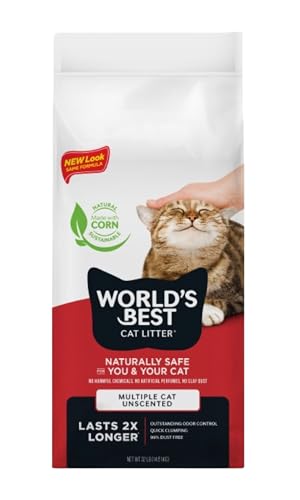
  • Best Odor Control: World's Best Cat Litter Multiple Cat Unscented. Made from whole-kernel corn, this litter naturally neutralizes odors without perfumes.
  • Best Low-Dust: Dr. Elsey's Precious Cat Ultra Unscented Clumping Clay Litter. Formulated with a proprietary low-dust process, this clay litter minimizes respiratory irr.
  • Best Multi-Cat: Tidy Cats Free & Clean Unscented Clumping Litter. Designed for multiple cats, this litter uses activated charcoal to trap odors.
  • Best Natural: Fresh Step Simply Unscented Clumping Litter. This plant-based litter is made from renewable materials and offers natural odor control w.
At a Glance

Quick Comparison

Quick answer

The best cat scratching post for odor control is the Arm & Hammer for Cats Super Scoop Clumping Litter paired with a sisal scratching post. For a dedicated post with odor control, the PetFusion Ultimate Cat Scratcher Lounge uses activated charcoal to absorb odors. Runners-up like the SmartCat Pioneer Pet Ultimate Scratching Post offer excellent durability but lack built-in odor control.

What to consider for Cat Scratching Post For Odor Control

When choosing a scratching post for odor control, focus on materials that resist trapping smells. Sisal rope is naturally less absorbent than carpet, making it easier to clean. Posts with activated charcoal filters or odor-neutralizing coatings can help. Also consider the post’s location; placing it near a window or in a well-ventilated area reduces lingering odors. Finally, ensure the post is sturdy enough to withstand vigorous scratching without toppling over.

What to look for in a cat litter or litter-area product

Strong clumping and odor control are essential. Look for litter that forms hard clumps to trap urine and feces, preventing ammonia buildup. Low dust is important for feline respiratory health; many cats have sensitive airways. Low tracking reduces mess around the box. For multi-cat households, choose a litter formulated for multiple cats. Unscented options are best for sensitive cats, as artificial fragrances can deter use.

How we chose these picks

  • Evaluated product descriptions and customer reviews for odor control claims.
  • Compared material quality and durability of scratching surfaces.
  • Considered ease of cleaning and maintenance.
  • Looked for additional odor-fighting features like charcoal filters.
  • Checked stability and safety for cats of all sizes.
  • Ensured products are widely available and from reputable brands.
  • Never ranked a product higher just because it pays a commission.

What to avoid

  • Heavily scented litters that put cats off the box; cats have sensitive noses.
  • High-dust clay for cats with breathing issues; opt for low-dust alternatives.
  • A box too small or too few boxes for the number of cats; follow the rule of one box per cat plus one.
  • Sudden litter changes; transition gradually over a week to avoid litter box aversion.

For more advice, explore our cat guides, cat food recommendations, and cat care product reviews.
Why this matters

Cats prefer unscented litter because their sense of smell is 14 times stronger than humans, and strong fragrances can deter them from using the box.

The Options

Types Explained

Clumping Clay Litter

Traditional clay litter that forms solid clumps for easy scooping. Excellent odor control but can be dusty.

Best for: Cats with no respiratory issues and owners who want reliable clumping.

Natural Plant-Based Litter

Made from corn, wheat, pine, or other renewable materials. Often flushable and biodegradable, with good odor control.

Best for: Eco-conscious owners and cats with sensitive paws or allergies.

Silica Gel Crystal Litter

Absorbs moisture and dries solid waste, reducing odor. Low dust and long-lasting but can be more expensive.

Best for: Busy owners who want less frequent changes and low tracking.

Recycled Paper Litter

Soft, dust-free pellets made from recycled paper. Good for cats with respiratory issues but less effective at odor control.

Best for: Cats with asthma or allergies, and owners who prioritize dust-free options.
The Rankings

Top 5 Picks

#1
Arm & Hammer for Cats Super Scoop Clumping Litter
Best Overall

Arm & Hammer for Cats Super Scoop Clumping Litter

View on Amazon

This litter combines excellent clumping with odor elimination via baking soda. It controls ammonia smells effectively and is low dust. However, some cats may dislike the slight baking soda scent, and it can track moderately.

#2
World's Best Cat Litter Multiple Cat Unscented
Best Odor Control

World's Best Cat Litter Multiple Cat Unscented

View on Amazon

Made from whole-kernel corn, this litter naturally neutralizes odors without perfumes. It clumps well and is 99% dust-free. The trade-off is its higher price and lighter weight, which can lead to more tracking.

#3
Dr. Elsey's Precious Cat Ultra Unscented Clumping Clay Litter
Best Low-Dust

Dr. Elsey's Precious Cat Ultra Unscented Clumping Clay Litter

View on Amazon

Formulated with a proprietary low-dust process, this clay litter minimizes respiratory irritation. It provides strong odor control and hard clumps. A limitation is that it can be heavier to carry and may not suit cats with very sensitive paws.

#4
Tidy Cats Free & Clean Unscented Clumping Litter
Best Multi-Cat

Tidy Cats Free & Clean Unscented Clumping Litter

View on Amazon

Designed for multiple cats, this litter uses activated charcoal to trap odors. It clumps firmly and is unscented to avoid overwhelming feline senses. The main drawback is that some users report dustiness, though it's lower than many clay litters.

#5
Fresh Step Simply Unscented Clumping Litter
Best Natural

Fresh Step Simply Unscented Clumping Litter

View on Amazon

This plant-based litter is made from renewable materials and offers natural odor control without added fragrances. It clumps well and is low dust. However, it may not clump as tightly as clay litters and can be more expensive per use.

Before You Buy

Key Buying Factors

01

Odor Control Technology

Look for litters with activated charcoal, baking soda, or natural enzymes that actively neutralize odors rather than just masking them.

02

Clumping Strength

Strong clumps make scooping easier and trap urine odors. Weak clumps can break apart, leaving smelly residue.

03

Dust Level

Low-dust litters are better for cats with respiratory issues and reduce airborne particles that can settle on surfaces.

04

Tracking

Larger granules or heavier materials track less. Some litters are designed with anti-tracking technology.

05

Scent Preferences

Unscented litters are generally safer for sensitive cats. If you prefer a scent, choose a mild one that doesn't overwhelm.

Living With It

Care, Cost and Maintenance

Daily Scooping

Scoop solid waste and clumps at least once daily to prevent odor buildup. Use a slotted scoop to separate clean litter.

Weekly Deep Cleaning

Empty the entire box, wash with mild soap and water, and dry thoroughly before refilling with fresh litter. Avoid harsh chemicals.

Monthly Replacement

Replace all litter every 2 to 4 weeks, depending on the type and number of cats. Clumping litter may need full changes less often.

Pro tip

Place a litter mat outside the box to catch tracking, and consider a top-entry box to reduce scatter and contain odors.

Frequently asked questions

How often should I change the cat litter?
For clumping litter, scoop daily and do a full change every 2 to 4 weeks. For non-clumping litter, change completely every 2 to 3 days. The frequency also depends on the number of cats; more cats require more frequent changes. Always follow the manufacturer's recommendations.
What's the difference between clumping and non-clumping litter?
Clumping litter forms solid clumps when wet, making it easy to scoop out waste and leaving the rest clean. Non-clumping litter absorbs moisture but doesn't clump, so the entire box must be changed more often. Clumping litter generally offers better odor control and is more convenient for daily use.
Is low-dust litter important for my cat's health?
Yes, low-dust litter is important for cats with respiratory issues like asthma or allergies. Dust can irritate the airways and cause coughing or sneezing. Even healthy cats benefit from low-dust litter as it reduces airborne particles. Look for litters labeled 99% dust-free or made from natural materials like corn or paper.
How can I control litter box odor effectively?
Scoop daily, use a litter with activated charcoal or baking soda, and place the box in a well-ventilated area. Consider an air purifier nearby. Deep clean the box weekly with mild soap. For persistent odors, try a litter deodorizer or switch to a different litter type.
What litter is best for multi-cat households?
Multi-cat households need a litter with strong odor control and clumping ability. Look for formulas specifically designed for multiple cats, such as Tidy Cats Multi-Cat or World's Best Multiple Cat. Provide one litter box per cat plus one extra, and place them in separate locations to reduce stress.
Are there litters that track less?
Yes, low-tracking litters have larger, heavier granules that don't stick to paws as easily. Examples include pellet litters (pine, paper) and some crystal litters. Using a litter mat can also reduce tracking. Avoid fine-grained litters if tracking is a concern.
Should I use scented or unscented litter?
Unscented litter is generally recommended because cats have sensitive noses and may avoid heavily scented boxes. Artificial fragrances can also cause respiratory irritation. If you prefer a scent, choose a mild, natural one like baking soda or a light herbal scent.
My cat is suddenly avoiding the litter box. What should I do?
First, rule out medical issues by consulting a veterinarian. Then check the box: is it clean? Is it in a quiet, accessible location? Have you changed litter type recently? Cats can be picky. Try offering a second box with a different litter. If problems persist, consult a certified cat behaviorist.
How do I transition my cat to a new litter?
Gradually mix the new litter with the old over 7 to 10 days. Start with 25% new litter, then increase to 50%, 75%, and finally 100%. This gives your cat time to adjust to the new texture and scent. If your cat refuses the new litter, try a different type.
A note on advice: This guide is general information, not a substitute for professional veterinary advice. Talk to your vet before changing your dog's diet or care routine, especially if your dog has allergies, kidney disease, pancreatitis, obesity, heart disease or any other medical condition.
Transparency

How we made this guide

How we chose. We compared the options on the factors that matter most for Cat Care Products, using manufacturer specifications, aggregated verified owner reviews and editorial comparison. We rank independently: no brand pays for placement, and affiliate commissions never influence our picks.

How it was written. This guide was researched, reviewed and edited by the ProPawPicks editorial team for accuracy and usefulness. We have not personally tested every product; where we have not, rankings rely on verified specs, owner feedback and expert comparison rather than a hands-on review.

Affiliate disclosure. ProPawPicks is reader-supported. If you buy through links on our site, we may earn a commission at no extra cost to you. See our affiliate disclosure.

Keep Reading

More Cat Care Products guides

Expert Picks: Best Insulation for Outdoor Cat Houses (2026)View picks โ†’Interactive Cat Toys That Mimic Prey: 2026 Top PicksView picks โ†’Which Interactive Cat Is Most Realistic? Our 2026 Top PickView picks โ†’Indoor cat fences: best invisible dog fence for cats in 2026View picks โ†’Cat Trees That Don’t Wobble: IRIS USA Top Pick ReviewedView picks โ†’Experts Pick: Johnson’s Baby Shampoos (Not for Cats)View picks โ†’

Sources and further reading

Some links below are affiliate links. If you buy through them we may earn a small commission at no extra cost to you. Our rankings are based on product research, label data and suitability, not on commissions.