๐Ÿ† Complete Buyer's Guide ยท Cat Care Products

Cat Scratching Post for Sensitive Paws 2026: 5 Picks

Cats with sensitive paws need soft scratching surfaces. See why the SmartCat Ultimate Post with stable base is our top pick from 5 compared.

Some links below are affiliate links. If you buy through them we may earn a small commission at no extra cost to you. Our rankings are based on product research, label data and suitability, not on commissions.

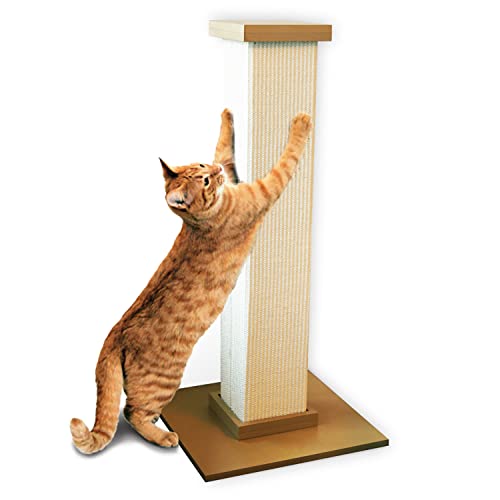
SmartCat Ultimate Scratching Post โ˜… Top Pick: SmartCat Ultimate Scratching Post Check Price on Amazon →
32 inches
Recommended minimum height
5+ years
Average lifespan of a quality sisal post
80%
Cats prefer vertical scratching posts
1-2 weeks
Typical adjustment period for a new post
โšก Key takeaways
  • Best Overall: SmartCat Ultimate Scratching Post. This 32-inch post is wrapped in thick, soft sisal rope that is gentle on sensitive paws ye.
  • Best Horizontal Scratcher: Kitty City Jumbo Corrugated Cat Scratcher. Made from dense, soft corrugated cardboard, this scratcher is ideal for cats that prefer h.
  • Best Multi-Surface: Frisco 32-Inch Cat Tree with Scratching Posts. This cat tree offers multiple scratching surfaces including sisal-wrapped posts and soft p.
  • Best Natural Material: Molly and Friend Lotus Cat Scratcher. Crafted from natural seagrass and wood, this scratcher is eco-friendly and has a smooth te.
  • Best 2-in-1: PetFusion Ultimate Cat Scratcher Lounge. This curved cardboard scratcher doubles as a lounge, providing a soft surface for both scr.
At a Glance

Quick Comparison

Quick answer

The SmartCat Ultimate Scratching Post is our top pick for sensitive paws thanks to its thick, soft sisal rope and sturdy base that minimizes wobble. For cats that prefer horizontal scratching, the Kitty City Jumbo Corrugated Cat Scratcher offers a gentle cardboard surface. Multi-cat households may prefer the Frisco 32-Inch Cat Tree with multiple scratching surfaces.

What to consider for Cat Scratching Post For Sensitive Paws

Cats with sensitive paws need scratching surfaces that are soft yet effective. Avoid rough sisal or abrasive carpet; look for tightly woven natural sisal, soft cardboard, or plush fabric. The post must be stable to prevent tipping, which can frighten a sensitive cat. Height matters: tall posts allow full stretching, which relieves paw tension. Also consider placement near resting areas to encourage use.

What to look for in a cat scratching post for sensitive paws

Look for a scratching post with a wide, heavy base for stability. The scratching surface should be gentle: high-quality sisal rope with tight fibers, or corrugated cardboard with no sharp edges. Avoid posts with dangling toys that might hit paws. For sensitive cats, unscented materials are best. A post that is at least 32 inches tall lets cats stretch fully without straining their pads.

How we chose these picks

  • Evaluated scratching surface texture and softness for paw comfort.
  • Checked base stability and overall construction quality.
  • Reviewed customer feedback on durability and cat acceptance.
  • Considered height and design to promote natural stretching.
  • Prioritized materials that are unscented and hypoallergenic.
  • Included options for different scratching styles (vertical, horizontal, angled).
  • Never ranked a product higher just because it pays a commission.

What to avoid

  • Avoid posts with rough, loose sisal that can irritate paws.
  • Steer clear of unstable bases that wobble and scare cats.
  • Skip posts with strong chemical smells or synthetic fragrances.
  • Do not choose a post that is too short, as it prevents full stretching and may discourage use.

For more cat care advice, visit our cat guides, cat health, and cat care products sections.
Why this matters

Cats with sensitive paws often prefer softer scratching surfaces like high-quality sisal or corrugated cardboard, and a stable base is crucial to prevent startling them during use.

The Options

Types Explained

Vertical Scratching Post

A tall, freestanding post wrapped in sisal or carpet. Ideal for cats that enjoy stretching upward while scratching.

Best for: Cats that prefer vertical scratching and need a full-body stretch.

Horizontal Scratcher

A flat or angled board made of cardboard or sisal. Encourages ground-level scratching.

Best for: Cats that scratch floors or furniture and dislike vertical posts.

Cat Tree with Scratching Surfaces

A multi-level structure with posts, platforms, and hiding spots. Provides variety and exercise.

Best for: Multi-cat households or active cats that need enrichment.

Wall-Mounted Scratcher

A scratching pad or post attached to a wall. Saves floor space and can be placed at custom heights.

Best for: Small spaces or cats that enjoy scratching vertical surfaces at different angles.
The Rankings

Top 5 Picks

#1
SmartCat Ultimate Scratching Post
Best Overall

SmartCat Ultimate Scratching Post

View on Amazon

This 32-inch post is wrapped in thick, soft sisal rope that is gentle on sensitive paws yet durable. The wide, heavy base provides excellent stability, preventing tipping. A minor trade-off is that the base can collect dust, but it is easy to wipe clean.

#2
Kitty City Jumbo Corrugated Cat Scratcher
Best Horizontal Scratcher

Kitty City Jumbo Corrugated Cat Scratcher

View on Amazon

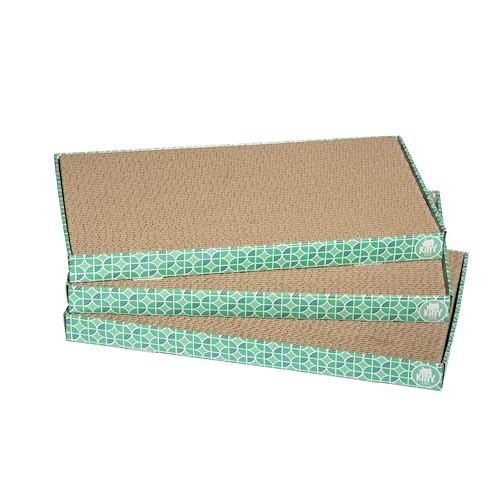
Made from dense, soft corrugated cardboard, this scratcher is ideal for cats that prefer horizontal scratching. It is gentle on paws and comes with catnip to attract use. However, it may shed small cardboard pieces and needs replacement after a few months.

#3
Frisco 32-Inch Cat Tree with Scratching Posts
Best Multi-Surface

Frisco 32-Inch Cat Tree with Scratching Posts

View on Amazon

This cat tree offers multiple scratching surfaces including sisal-wrapped posts and soft plush perches. The variety allows cats to choose their preferred texture. The base is sturdy, but assembly requires some effort and the plush fabric may attract fur.

#4
Molly and Friend Lotus Cat Scratcher
Best Natural Material

Molly and Friend Lotus Cat Scratcher

View on Amazon

Crafted from natural seagrass and wood, this scratcher is eco-friendly and has a smooth texture that is kind to sensitive paws. Its angled design encourages stretching. A limitation is that the seagrass may fray over time, requiring occasional trimming.

#5
PetFusion Ultimate Cat Scratcher Lounge
Best 2-in-1

PetFusion Ultimate Cat Scratcher Lounge

View on Amazon

This curved cardboard scratcher doubles as a lounge, providing a soft surface for both scratching and napping. The cardboard is dense and gentle on paws. It is recyclable, but larger cats may find it less stable for vigorous scratching.

Before You Buy

Key Buying Factors

01

Scratching Surface Material

Choose soft yet durable materials like high-quality sisal rope, corrugated cardboard, or natural seagrass. Avoid rough or abrasive textures that can irritate sensitive paws.

02

Stability and Base Size

A wide, heavy base prevents tipping and gives cats confidence. Look for posts with a base at least 18 inches wide or that can be secured to the floor.

03

Height for Full Stretch

Cats need to stretch fully to maintain paw health. A post should be at least 32 inches tall to allow a full-body stretch without straining.

04

Placement and Location

Place the scratching post near your cat's favorite resting or sleeping areas. Avoid high-traffic zones or corners where the cat might feel trapped.

05

Durability and Maintenance

Consider how easy it is to clean or replace the scratching surface. Some posts allow replacement ropes or cardboard inserts, extending the product's life.

Living With It

Care, Cost and Maintenance

Cleaning the Scratching Surface

Remove loose fibers and fur weekly using a lint roller or vacuum with a brush attachment. For sisal posts, lightly brush with a stiff brush to restore texture. Replace cardboard inserts when they become worn.

Encouraging Use

Rub catnip on the post or use a toy to lure your cat. Place the post near areas where your cat already scratches. Reward with treats when they use it.

When to Replace

Replace the scratching post when the surface is frayed, loose, or no longer appealing. A worn post may not satisfy your cat's scratching needs, leading to furniture damage.

Pro tip

Place the scratching post in a sunny spot near a window; cats are more likely to use it when they are relaxed and warm.

Frequently asked questions

How often should I replace a scratching post?
Replace a scratching post when the surface becomes frayed, loose, or no longer interests your cat. For sisal posts, this is typically every 6 to 12 months depending on usage. Cardboard scratchers may need replacement every 2 to 4 months. Signs of wear include excessive shedding of fibers, visible bald spots, or the post tipping over easily. A worn post can discourage scratching and lead to furniture damage.
Is sisal or cardboard better for sensitive paws?
Both can be suitable, but it depends on your cat's preference. Sisal rope is durable and provides a satisfying texture, but it should be soft and tightly woven to avoid irritation. Cardboard is naturally soft and gentle, making it a great option for very sensitive paws. However, cardboard may shed small pieces and has a shorter lifespan. We recommend trying both to see which your cat prefers.
How can I get my cat to use a scratching post?
Place the post in a prominent area where your cat already scratches, such as near furniture or a favorite sleeping spot. Rub catnip on the post or use a wand toy to encourage interaction. Reward your cat with treats or praise when they use the post. Never force your cat's paws onto the post, as this can create negative associations. Patience and positive reinforcement are key.
Can a scratching post help with claw health?
Yes, regular scratching helps cats shed the outer sheath of their claws, keeping them healthy and sharp. A good scratching post allows cats to stretch their muscles and maintain claw condition. For cats with sensitive paws, a soft but effective surface is important to avoid pain during scratching. Trimming your cat's claws regularly also supports claw health.
What if my cat ignores the scratching post?
First, ensure the post is stable and placed in a high-traffic area. Try different scratching surfaces (sisal, cardboard, carpet) to see what your cat prefers. You can also attach a toy or catnip to the post. If your cat continues to ignore it, consider a different style (horizontal vs vertical) or location. Some cats take weeks to adjust.
Are there scratching posts for declawed cats?
Declawed cats still have scratching instincts and may benefit from a soft scratching post. However, they may be more sensitive, so choose a very gentle surface like soft cardboard or plush fabric. Avoid rough sisal. Scratching can also help with joint stretching and muscle maintenance. Always consult your veterinarian for post-declaw care.
How do I clean a scratching post?
For sisal posts, use a lint roller or vacuum with a brush attachment to remove fur and dust. For cardboard scratchers, gently brush off debris or vacuum on low suction. Avoid using water or cleaning chemicals, as they can damage the material and deter your cat. Replace cardboard inserts when they become soiled or worn.
Can I make my own scratching post?
Yes, DIY scratching posts can be cost-effective. Use a sturdy base (wood or heavy cardboard), a tall pole (PVC or wood), and wrap it tightly with natural sisal rope or carpet. Ensure the base is wide and heavy enough to prevent tipping. However, store-bought posts are often more durable and stable.
What is the best height for a scratching post?
A scratching post should be tall enough for your cat to fully stretch without standing on hind legs. For most cats, 32 inches is the minimum recommended height. Larger breeds may need 36 inches or more. A post that is too short may not satisfy your cat's stretching needs and could lead to furniture scratching.
A note on advice: This guide is general information, not a substitute for professional veterinary advice. Talk to your vet before changing your dog's diet or care routine, especially if your dog has allergies, kidney disease, pancreatitis, obesity, heart disease or any other medical condition.
Transparency

How we made this guide

How we chose. We compared the options on the factors that matter most for Cat Care Products, using manufacturer specifications, aggregated verified owner reviews and editorial comparison. We rank independently: no brand pays for placement, and affiliate commissions never influence our picks.

How it was written. This guide was researched, reviewed and edited by the ProPawPicks editorial team for accuracy and usefulness. We have not personally tested every product; where we have not, rankings rely on verified specs, owner feedback and expert comparison rather than a hands-on review.

Affiliate disclosure. ProPawPicks is reader-supported. If you buy through links on our site, we may earn a commission at no extra cost to you. See our affiliate disclosure.

Keep Reading

More Cat Care Products guides

Interactive Cat Feeders That Cats Actually Use: 2026 Top 4View picks โ†’Indoor cat fences: best invisible dog fence for cats in 2026View picks โ†’Invisible Fence for Cat, RankedView picks โ†’Cat Trees That Don’t Wobble: IRIS USA Top Pick ReviewedView picks โ†’Jewelry Monster Friend Cat Necklaces: What to Look ForView picks โ†’Experts Pick: Johnson’s Baby Shampoos (Not for Cats)View picks โ†’

Sources and further reading

Some links below are affiliate links. If you buy through them we may earn a small commission at no extra cost to you. Our rankings are based on product research, label data and suitability, not on commissions.