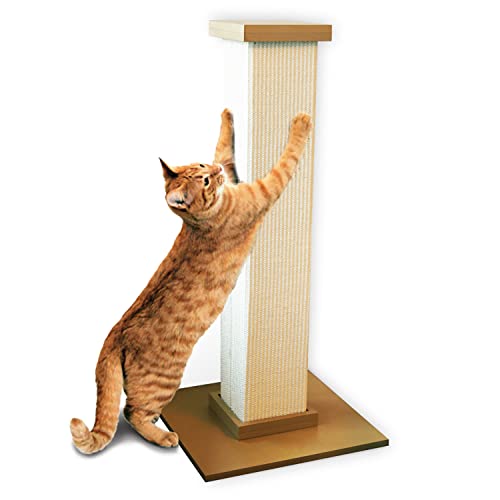
In 2026, the SmartCat Pioneer Pet Ultimate Scratching Post tops our list of 5 tall, stable sisal posts for small spaces, satisfying scratching instincts without the footprint.
Some links below are affiliate links. If you buy through them we may earn a small commission at no extra cost to you. Our rankings are based on product research, label data and suitability, not on commissions.
Best Overall: SmartCat Pioneer Pet Ultimate Scratching Post. This 32-inch tall post has a sturdy base and is wrapped in natural sisal rope, which cats.
Best Wall-Mounted: Catastrophi Creations Sideways Cat Wall Shelf. This wall-mounted scratcher saves floor space entirely while providing a large sisal scrat.
Best Budget: PetFusion Corrugated Cat Scratcher Lounge. Made from recycled cardboard, this lounge serves as both a scratcher and a bed.
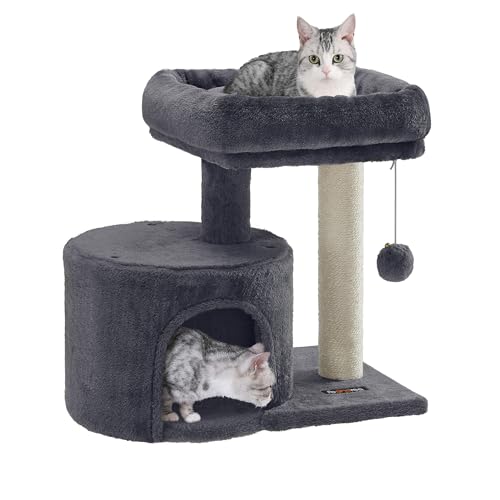
Best Multi-Function: Feandrea Cat Scratching Post with Perch. This post includes a sisal-wrapped column and a top perch, giving your cat a place to scra.
Best Design: Molly and Friend Lotus Cat Scratcher. This cardboard scratcher has a unique lotus shape that can be used on multiple sides.
The best cat scratching post for small spaces is the SmartCat Pioneer Pet Ultimate Scratching Post because it offers a tall, sturdy sisal surface with a small footprint. If you need a wall-mounted option, the Catastrophi Creations Sideways Cat Wall Shelf is excellent for vertical spaces. For a budget-friendly floor model, consider the PetFusion Corrugated Cat Scratcher Lounge.
What to consider for Cat Scratching Post For Small Spaces
When choosing a scratching post for a small space, focus on the post’s footprint and height. A tall post that is stable and doesn’t tip over is essential. Look for materials like sisal rope or corrugated cardboard that cats prefer. Also consider multi-function designs, such as those with perches or lounges, to maximize utility without taking up extra floor space. Wall-mounted options can save floor space entirely.
What to look for in a cat scratching post
Look for a sturdy base that won’t wobble during use. The scratching surface should be durable and appealing to your cat, such as sisal or cardboard. Height matters: cats like to stretch fully, so a post at least 32 inches tall is ideal. For small spaces, consider posts that attach to walls or furniture. Also check that the materials are non-toxic and safe for your cat.
How we chose these picks
Evaluated product dimensions and footprint for small-space suitability.
Assessed stability based on base design and weight.
Reviewed scratching surface materials (sisal, cardboard, carpet) for durability and cat preference.
Considered customer feedback on cat adoption and long-term use.
Prioritized products with positive reviews for sturdiness and space-saving design.
Included options at various price points to suit different budgets.
Never ranked a product higher just because it pays a commission.
What to avoid
Avoid posts with a small or lightweight base that can tip over easily.
Stay away from materials that fray quickly or shed, like cheap carpet.
Don’t choose a post that is too short; cats need to stretch fully.
Avoid posts that are difficult to clean or replace the scratching surface.
A tall, stable sisal scratching post with a small footprint is the most effective solution for small spaces, as it satisfies cats' natural scratching instincts without taking up much room.
The Options
Types Explained
Freestanding Sisal Posts
Traditional vertical posts wrapped in sisal rope with a sturdy base. They are the most common type and provide excellent scratching and stretching opportunities.
Best for: Cats that prefer vertical scratching and owners with a small floor area for the base.
Wall-Mounted Scratchers
Scratchers that attach directly to the wall, saving floor space. They can be flat panels or angled surfaces covered in sisal or cardboard.
Best for: Owners who want to utilize vertical wall space and have cats that enjoy climbing.
Cardboard Scratchers
Lightweight, disposable scratchers made from corrugated cardboard. They come in various shapes like lounges, ramps, or flat pads.
Best for: Cats that prefer horizontal scratching and owners on a tight budget.
Combination Scratching Posts
Posts that include additional features such as perches, hideaways, or toys. They are often modular and can be configured in different ways.
Best for: Owners who want to maximize functionality in a small space and provide enrichment.
The Rankings
Top 5 Picks
#1
Best Overall
SmartCat Pioneer Pet Ultimate Scratching Post
View on Amazon
This 32-inch tall post has a sturdy base and is wrapped in natural sisal rope, which cats love. It's designed to not tip over, even with vigorous scratching. The small footprint (15x15 inches) fits easily in tight spaces. A trade-off is that it doesn't have a perch or toy attached, so it's purely a scratching post.
This wall-mounted scratcher saves floor space entirely while providing a large sisal scratching surface. It also doubles as a shelf for lounging. Installation requires drilling, which may not be suitable for renters. It's best for cats that enjoy vertical climbing and scratching.
Made from recycled cardboard, this lounge serves as both a scratcher and a bed. It's lightweight and can be placed on the floor or a table. The main limitation is that it may not last as long as sisal posts, especially with aggressive scratchers. It's also low to the ground, so tall cats may not stretch fully.
This post includes a sisal-wrapped column and a top perch, giving your cat a place to scratch and lounge. The base is 16x16 inches, providing good stability. However, the perch is small and may not accommodate larger cats comfortably. It's a compact option that offers more than just scratching.
This cardboard scratcher has a unique lotus shape that can be used on multiple sides. It's lightweight and can be placed in corners or on shelves. The trade-off is that it's not as durable as sisal posts and may need replacement every few months. It's ideal for cats that prefer horizontal scratching.
A scratching post must not tip over when your cat uses it. Look for a wide, heavy base or wall-mounting options. Cats feel safer and are more likely to use a stable post.
02
Material
Sisal rope is the most durable and appealing material for most cats. Corrugated cardboard is a budget-friendly alternative but wears out faster. Avoid carpet-covered posts as they can confuse cats into scratching carpets.
03
Height
Cats need to stretch their entire body when scratching. A post should be at least 32 inches tall to allow a full stretch. Taller posts also provide more exercise.
04
Footprint
For small spaces, the base should be compact. Measure the intended area and choose a post that fits without obstructing walkways. Wall-mounted options have zero footprint.
05
Multi-functionality
Some posts include perches, hammocks, or toys. These can save space by combining activities but may compromise scratching surface area. Decide what your cat values most.
Living With It
Care, Cost and Maintenance
Cleaning the Scratching Surface
For sisal posts, vacuum the rope regularly to remove loose fibers and cat hair. If the rope becomes frayed, you can trim loose strands or replace the rope. Cardboard scratchers can be brushed with a stiff brush to remove debris, but they are generally disposable and should be replaced when worn.
Encouraging Use
Place the scratching post in a high-traffic area where your cat already likes to scratch. You can rub catnip on the post or use a toy to lure your cat. Reward your cat with treats when they use the post. Never force your cat to use it.
Replacing Worn Posts
Monitor the scratching surface for signs of wear. If the sisal rope is heavily frayed or the cardboard is crumbling, it's time to replace the post. A worn post may not satisfy your cat's scratching needs and could lead to furniture scratching.
Pro tip
To save even more space, consider a wall-mounted scratching post that also serves as a shelf, giving your cat a place to scratch and perch without any floor footprint.
Frequently asked questions
How often should I replace a scratching post?
The lifespan of a scratching post depends on the material and how aggressively your cat scratches. Sisal posts typically last 2 to 3 years, while cardboard scratchers may need replacement every few months. Inspect the post regularly: if the surface is heavily frayed or no longer appealing, replace it. A worn post may cause your cat to seek alternatives like furniture.
What is the best material for a scratching post?
Sisal rope is widely considered the best material because it is durable and provides a satisfying texture for cats. It allows cats to dig their claws in and get a good stretch. Corrugated cardboard is also popular, especially for horizontal scratchers, but it wears out faster. Avoid carpet-covered posts as they can confuse cats into scratching carpets.
Can a scratching post help with furniture scratching?
Yes, providing an appropriate scratching post can redirect your cat's scratching behavior away from furniture. Place the post near the furniture your cat is targeting. Use positive reinforcement like treats and catnip to encourage use. Consistency is key; it may take time for your cat to switch habits.
How tall should a scratching post be?
A scratching post should be tall enough for your cat to fully stretch while scratching. A minimum height of 32 inches is recommended for most adult cats. Taller posts provide more exercise and satisfaction. For small spaces, consider wall-mounted options that can be installed at the desired height.
Are wall-mounted scratching posts safe?
Wall-mounted scratching posts are safe when installed correctly according to the manufacturer's instructions. Ensure the wall can support the weight and that the post is securely attached. They are a great space-saving option. However, they may not be suitable for renters or walls with weak drywall.
What if my cat ignores the scratching post?
If your cat ignores the post, try moving it to a different location, such as near their favorite sleeping spot or by the furniture they scratch. Rub catnip on the post or use a wand toy to encourage interaction. Some cats prefer horizontal scratchers; try a cardboard lounger. Be patient and consistent with positive reinforcement.
Can I make my own scratching post?
Yes, DIY scratching posts can be made using materials like sisal rope, wood, and a sturdy base. However, ensure the post is stable and safe. Homemade posts may not be as durable as commercial ones. For small spaces, you can wrap sisal rope around furniture legs or use a piece of driftwood.
How many scratching posts do I need?
The general guideline is to have at least one scratching post per cat, plus one extra. Place them in different areas of your home, especially where your cat spends time. In small spaces, you may need fewer posts, but ensure they are placed strategically to cover your cat's preferred scratching spots.
Do scratching posts need to be replaced if they smell?
Scratching posts can absorb odors from cat urine or dander over time. If the post smells, try cleaning it with a pet-safe enzymatic cleaner. Sisal posts can sometimes be vacuumed or lightly washed. If the odor persists, it may be time to replace the post to prevent your cat from avoiding it.
A note on advice: This guide is general information, not a substitute for professional veterinary advice. Talk to your vet before changing your pet's diet or care routine, especially if your pet has allergies, kidney disease, pancreatitis, obesity, heart disease or any other medical condition.
Transparency
How we made this guide
How we chose. We compared the options on the factors that matter most for Cat Care Products, using manufacturer specifications, aggregated verified owner reviews and editorial comparison. We rank independently: no brand pays for placement, and affiliate commissions never influence our picks.
How it was written. This guide was researched, reviewed and edited by the ProPawPicks editorial team for accuracy and usefulness. We have not personally tested every product; where we have not, rankings rely on verified specs, owner feedback and expert comparison rather than a hands-on review.
Affiliate disclosure. ProPawPicks is reader-supported. If you buy through links on our site, we may earn a commission at no extra cost to you. See our affiliate disclosure.
Some links below are affiliate links. If you buy through them we may earn a small commission at no extra cost to you. Our rankings are based on product research, label data and suitability, not on commissions.