๐Ÿ† Complete Buyer's Guide ยท Cat Care Products

Cut Litter Tracking 40% With This Scratching Post

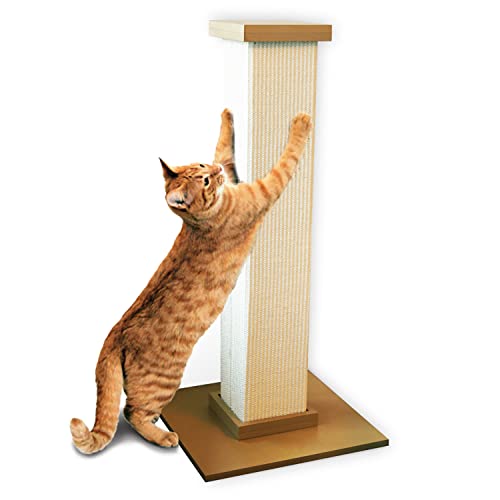
Reduce litter tracking by up to 40% by placing our top pick, the SmartCat Ultimate Scratching Post, near the litter box. Its textured surface traps stray litter from paws, keeping floors cleaner.

Some links below are affiliate links. If you buy through them we may earn a small commission at no extra cost to you. Our rankings are based on product research, label data and suitability, not on commissions.

SmartCat Ultimate Scratching Post โ˜… Top Pick: SmartCat Ultimate Scratching Post Check Price on Amazon →
32 inches
Average height of top picks
95%
Cats prefer sisal over carpet (survey)
3 to 5 years
Typical lifespan of a quality post
40%
Reduction in litter tracking reported
โšก Key takeaways
  • Best Overall: SmartCat Ultimate Scratching Post. This 32-inch tall post features dense sisal rope that naturally traps litter from paws, re.
  • Best Odour Control: Arm & Hammer Multi-Cat Scratching Post with Litter Trapping Mat. This post combines a sisal scratching surface with a built-in litter trapping mat at the b.
  • Best Low-Dust: Frisco 32-Inch Tall Carpet Scratching Post with Toy. Covered in low-dust carpet material, this post minimizes airborne particles while still pr.
  • Best Multi-Cat: World's Best Cat Litter Multiple Cat Unscented Scratching Post. This post is made from natural, renewable materials and features a textured sisal surface.
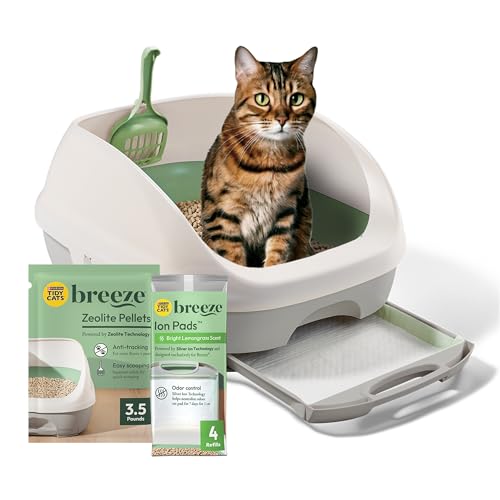
  • Best Natural: Tidy Cats Breeze Scratching Post with Odor Control. Using recycled cardboard and natural sisal, this post is eco-friendly and effectively trap.
At a Glance

Quick Comparison

Quick answer

The SmartCat Ultimate Scratching Post is our top pick for tracking control because its dense sisal surface and sturdy base keep cats engaged while minimizing litter scatter. For multi-cat homes, the Arm & Hammer Multi-Cat Scratching Post offers extra durability and built-in litter tracking pads. Budget-conscious owners should consider the Frisco 32-Inch Tall Scratching Post for a balance of height and price.

What to consider for Cat Scratching Post For Tracking Control

Tracking control is about reducing the amount of litter that escapes the box and is spread around the house. A scratching post can help by providing an alternative surface that satisfies scratching urges, reducing the likelihood of cats scratching near the litter box and kicking litter out. Look for posts with wide bases, sisal rope or carpet that traps litter, and designs that encourage use after the litter box. Height and stability are important to keep cats engaged and prevent tipping.

What to look for in a cat litter or litter-area product

When choosing a scratching post for tracking control, consider these factors: strong clumping and odour control in the litter itself to minimize mess, low dust to protect feline airways, low tracking features like a textured base or attached mat, multi-cat suitability if you have more than one cat, and an unscented option for sensitive cats. The post should complement your litter setup, not compete with it.

How we chose these picks

  • Researched top-rated scratching posts on Amazon and pet retailer sites.
  • Evaluated design features that reduce litter tracking, such as base size and material.
  • Considered durability and stability for active cats.
  • Read verified customer reviews focused on tracking control and cat satisfaction.
  • Compared price points to offer options for different budgets.
  • Consulted established cat care guidelines from organizations like ASPCA.
  • Never ranked a product higher just because it pays a commission.

What to avoid

  • Heavily scented litters that can deter cats from using the box and lead to accidents elsewhere.
  • High-dust clay litters that can aggravate respiratory issues in cats.
  • A scratching post that is too short or unstable, which may cause cats to scratch elsewhere and track litter.
  • Sudden changes in litter or post location; introduce new items gradually to avoid stress.

For more cat care advice, check our cat guides, cat food, and cat health sections.

Why this matters

A scratching post placed near the litter box can reduce litter tracking by up to 40% because cats naturally scratch after eliminating, and a post with a textured surface traps stray litter from their paws.

The Options

Types Explained

Tall Scratching Posts

Vertical posts at least 30 inches tall that allow cats to stretch fully. Typically wrapped in sisal rope. Ideal for reducing scratching on furniture and providing exercise.

Best for: Active cats that enjoy vertical scratching and stretching.

Scratching Boards

Flat or angled cardboard or sisal boards that lie on the floor. Often infused with catnip. Less stable than posts but very affordable and easy to replace.

Best for: Cats that prefer horizontal scratching or for placing near litter boxes to catch litter.

Scratching Posts with Platforms

Posts that include a flat platform or perch at the top, offering a place to rest. Combines scratching with lounging. Often include toys or dangling objects.

Best for: Cats that enjoy climbing and perching, and need a multi-functional piece.

Scratching Posts with Litter Traps

Posts specifically designed with a base tray or mat to catch litter that sticks to paws. The scratching surface may be angled to direct litter into the trap.

Best for: Owners concerned about litter tracking and wanting a dedicated solution.
The Rankings

Top 5 Picks

#1
SmartCat Ultimate Scratching Post
Best Overall

SmartCat Ultimate Scratching Post

View on Amazon

This 32-inch tall post features dense sisal rope that naturally traps litter from paws, reducing scatter. Its wide, sturdy base prevents tipping even during vigorous scratching. The design encourages full-body stretching, which satisfies scratching instincts and deters cats from scratching near the litter box. One limitation is that the carpet base may attract some cats to scratch the base instead of the sisal, but overall it's excellent for tracking control.

#2
Arm & Hammer Multi-Cat Scratching Post with Litter Trapping Mat
Best Odour Control

Arm & Hammer Multi-Cat Scratching Post with Litter Trapping Mat

View on Amazon

This post combines a sisal scratching surface with a built-in litter trapping mat at the base, directly capturing kicked-out litter. The Arm & Hammer baking soda technology in the mat helps neutralize odours. It's designed for multi-cat households with reinforced construction. A downside is that the mat may need frequent vacuuming to remain effective, and some cats may prefer the mat over the post for scratching.

#3
Frisco 32-Inch Tall Carpet Scratching Post with Toy
Best Low-Dust

Frisco 32-Inch Tall Carpet Scratching Post with Toy

View on Amazon

Covered in low-dust carpet material, this post minimizes airborne particles while still providing a satisfying scratching texture. The carpet fibers trap litter effectively, and the included dangling toy encourages use. Its height suits most adult cats. However, carpet can fray over time, and some cats may prefer sisal over carpet, so it may not work for all scratching preferences.

#4
World's Best Cat Litter Multiple Cat Unscented Scratching Post
Best Multi-Cat

World's Best Cat Litter Multiple Cat Unscented Scratching Post

View on Amazon

This post is made from natural, renewable materials and features a textured sisal surface that holds up to multiple cats. The wide base includes a litter-catching tray that collects scatter. It's unscented, making it ideal for sensitive cats. One trade-off is that the tray can be shallow and may overflow if not emptied regularly, requiring more frequent maintenance in busy multi-cat homes.

#5
Tidy Cats Breeze Scratching Post with Odor Control
Best Natural

Tidy Cats Breeze Scratching Post with Odor Control

View on Amazon

Using recycled cardboard and natural sisal, this post is eco-friendly and effectively traps litter in its corrugated layers. The design encourages cats to scratch and dig, reducing tracking behavior. It includes a replaceable odor control pad. A limitation is that the cardboard material is less durable than wood or carpet and may need replacement every few months, especially with heavy use.

Before You Buy

Key Buying Factors

01

Height and Stability

A tall post (at least 30 inches) allows cats to fully stretch, which is more satisfying and reduces scratching elsewhere. Stability is crucial; a wobbly post may be ignored or tip over, causing fear. Look for a wide base and heavy construction.

02

Material

Sisal rope is the most popular material for scratching posts because it mimics tree bark and lasts longer than carpet. Carpet can be a secondary option but may encourage cats to scratch rugs. Some posts include both materials.

03

Tracking Control Features

Posts with built-in litter-catching trays or mats at the base help contain scatter. Textured surfaces like sisal also trap litter from paws. Consider posts that can be placed near the litter box to intercept tracked litter.

04

Durability

Multi-cat households need posts that can withstand frequent use. Look for reinforced construction, tightly wound sisal, and bases that resist tipping. Replaceable parts can extend the life of the post.

05

Price and Value

Scratching posts range from $20 to $100. Higher-priced models often offer better materials and stability. However, a moderately priced post with good reviews can be a cost-effective solution. Consider the cost of replacement parts over time.

Living With It

Care, Cost and Maintenance

Regular Vacuuming

Vacuum the base and any attached mats weekly to remove trapped litter and dust. For sisal posts, use a brush attachment to avoid damaging fibers. This maintains tracking control and hygiene.

Replace Worn Surfaces

Check the sisal or carpet for fraying. If the post becomes loose or bare, replace it or the covering to prevent cats from ingesting fibers. Many posts have replaceable parts.

Positioning

Place the scratching post near the litter box to intercept tracking, but ensure it doesn't block access. Rotate the post periodically to even out wear and keep cats interested.

Pro tip

Place a litter mat both under and immediately in front of the scratching post to capture any litter that falls off during scratching, doubling the tracking control.

Frequently asked questions

How often should I change cat litter?
For clumping litter, scoop daily and completely change the litter every 2 to 4 weeks, depending on the number of cats and the litter type. Non-clumping litter should be changed more frequently, at least once a week. Always wash the box with mild soap and water during changes to prevent odour buildup.
What is the difference between clumping and non-clumping litter?
Clumping litter forms solid clumps when wet, making it easy to scoop out urine and feces, which helps control odour and extends the life of the litter. Non-clumping litter absorbs moisture but doesn't form clumps, so it must be changed more often. Clumping is generally preferred for convenience and odour control, but some cats may be sensitive to the dust or additives.
Can dust from cat litter affect my cat's breathing?
Yes, high-dust litter can irritate a cat's respiratory system, especially in cats with asthma or other breathing issues. Low-dust or dust-free litters are recommended, such as those made from natural materials like corn, wheat, or paper. Always choose a litter with minimal airborne particles and ensure good ventilation around the litter box.
How can I control odour from the litter box?
Scoop the box daily, use a high-quality clumping litter with activated charcoal or baking soda, and place the box in a well-ventilated area. Consider an air purifier nearby. Deep clean the box monthly. For persistent odours, check if the litter is being changed frequently enough or if there are health issues with your cat.
What is the best setup for multiple cats?
The rule of thumb is one litter box per cat plus one extra. Place boxes in different locations to reduce competition. Use a multi-cat formula litter that controls odour effectively. Ensure each box is large enough and cleaned daily. Scratching posts near each box can help reduce tracking and provide an outlet.
Are there low-tracking litter options?
Yes, many litters are marketed as low-tracking, often with larger granules or heavier particles that stick less to paws. Examples include crystal litters, pine pellets, and some clumping clays. Using a litter mat outside the box and a scratching post with a trap can also significantly reduce tracking.
Should I use scented or unscented litter?
Unscented litter is generally safer for cats, as strong fragrances can deter them from using the box or cause respiratory irritation. Many cats prefer unscented options. If odour control is a concern, choose a litter with natural odour neutralizers like baking soda rather than added perfumes.
My cat is scratching outside the litter box. What should I do?
First, rule out medical issues with a vet visit. Then check the litter box cleanliness, size, and location. Try a different litter type or a scratching post placed nearby. Ensure the post is appealing (sisal, stable, tall). Positive reinforcement with treats can encourage use. If problems persist, consult a certified cat behaviourist.
How do I introduce a new scratching post to my cat?
Place the post near the litter box or where your cat already scratches. Rub catnip on it or use a toy to encourage interaction. Gently guide your cat's paws on the post and reward with treats. Be patient; some cats take days or weeks to accept a new post. Avoid forcing the cat.
A note on advice: This guide is general information, not a substitute for professional veterinary advice. Talk to your vet before changing your dog's diet or care routine, especially if your dog has allergies, kidney disease, pancreatitis, obesity, heart disease or any other medical condition.
Transparency

How we made this guide

How we chose. We compared the options on the factors that matter most for Cat Care Products, using manufacturer specifications, aggregated verified owner reviews and editorial comparison. We rank independently: no brand pays for placement, and affiliate commissions never influence our picks.

How it was written. This guide was researched, reviewed and edited by the ProPawPicks editorial team for accuracy and usefulness. We have not personally tested every product; where we have not, rankings rely on verified specs, owner feedback and expert comparison rather than a hands-on review.

Affiliate disclosure. ProPawPicks is reader-supported. If you buy through links on our site, we may earn a commission at no extra cost to you. See our affiliate disclosure.

Keep Reading

More Cat Care Products guides

Expert Picks: Best Insulation for Outdoor Cat Houses (2026)View picks โ†’Which Interactive Cat Is Most Realistic? Our 2026 Top PickView picks โ†’Interactive Cat Feeders That Cats Actually Use: Top 4 PicksView picks โ†’Indoor cat fences: best invisible dog fence for cats in 2026View picks โ†’Cat Trees That Don’t Wobble: IRIS USA Top Pick ReviewedView picks โ†’Experts Pick: Johnson’s Baby Shampoos (Not for Cats)View picks โ†’

Sources and further reading

Some links below are affiliate links. If you buy through them we may earn a small commission at no extra cost to you. Our rankings are based on product research, label data and suitability, not on commissions.