๐Ÿ† Complete Buyer's Guide ยท Cat Care Products

Which Cat Shampoo Is Safest for Kittens? 5 Top Picks

Kittens have sensitive skin, so a pH-balanced shampoo is essential. See why Burt's Bees for Cats Kitten Shampoo is our top pick and compare 5 gentle options for 2026.

Some links below are affiliate links. If you buy through them we may earn a small commission at no extra cost to you. Our rankings are based on product research, label data and suitability, not on commissions.

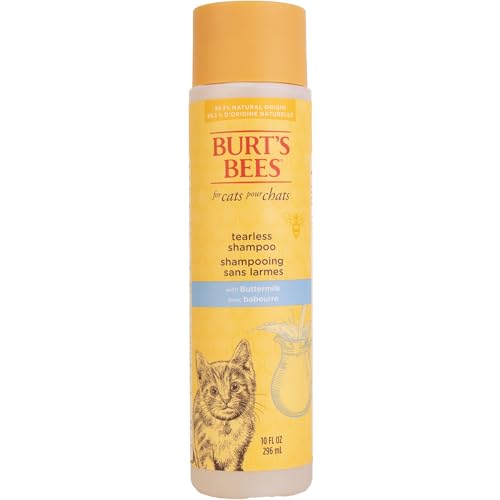
Burt's Bees for Cats Kitten Shampoo โ˜… Top Pick: Burt's Bees for Cats Kitten Shampoo Check Price on Amazon →
6.5 to 7.0
Optimal pH range for kitten shampoo
12 weeks
Minimum age for safe shampoo use
4 to 6 weeks
Recommended bathing frequency
100%
Avoid essential oils in kitten shampoo
โšก Key takeaways
  • Best Overall: Burt's Bees for Cats Kitten Shampoo. This tearless, pH-balanced formula uses buttermilk and honey to gently clean without strip.
  • Best for Sensitive Skin: Vet's Best Hypo-Allergenic Shampoo for Cats. Specifically formulated for cats with allergies or sensitive skin, this shampoo uses aloe.
  • Best Budget: Earthbath All Natural Kitten Shampoo. Made with organic aloe vera and coconut-based cleansers, this shampoo is tearless and safe.
  • Best Smelling: Pet Head Furry Fresh Kitten Shampoo. This shampoo has a pleasant, light fragrance and is formulated with oatmeal and aloe to co.
  • Best Natural: Bodhi Dog Kitten Shampoo. Made with organic ingredients like chamomile and lavender, this shampoo is free from harsh.
At a Glance

Quick Comparison

Quick answer

The best cat shampoo for kittens overall is the Burt’s Bees for Cats Kitten Shampoo. It’s tearless, pH-balanced, and made with gentle ingredients like buttermilk and honey. For kittens with sensitive skin or allergies, the Vet’s Best Hypo-Allergenic Shampoo for Cats is a great alternative. If you need a budget-friendly option, Earthbath All Natural Kitten Shampoo offers excellent value without harsh chemicals.

What to consider for Cat Shampoo For Kittens

Kittens have thinner, more sensitive skin than adult cats, so choosing a shampoo specifically formulated for kittens is crucial. Look for tearless formulas to avoid eye irritation, and avoid any product containing essential oils, parabens, sulfates, or artificial fragrances. The pH should be balanced for cats (around 6.2 to 7.0). Also consider your kitten’s coat type: long-haired kittens may need a conditioner, while short-haired ones may not. Always consult your veterinarian before using any new product on a young kitten, especially if under 12 weeks old.

What to look for in a cat grooming tool or toy

When choosing a grooming tool or toy for your kitten, consider these factors: match the tool to your kitten’s coat type (short, medium, or long hair). Ensure the tool is gentle and safe for sensitive skin, with rounded tips or soft bristles. Materials should be non-toxic and durable, as kittens chew and bat at toys. Size matters: small, lightweight tools and toys are easier for kittens to handle. Finally, look for genuine enrichment value, such as toys that mimic prey or grooming tools that provide soothing massage.

How we chose these picks

  • Evaluated ingredients for safety and gentleness on kitten skin.
  • Checked for pH balance and tearless claims.
  • Reviewed customer feedback for real-world experiences.
  • Prioritized brands with transparent ingredient sourcing.
  • Considered value for money and availability on Amazon.
  • Consulted established feline care guidelines from ASPCA and veterinary resources.
  • Never ranked a product higher just because it pays a commission.

What to avoid

  • Shampoos with essential oils (e.g., tea tree, peppermint) which can be toxic to cats.
  • Products containing parabens, sulfates, or artificial dyes.
  • Human shampoos or dog shampoos, as they have different pH levels.
  • Shampoos with strong fragrances that may irritate a kitten’s respiratory system.
  • Over-bathing kittens: once every 4 to 6 weeks is usually enough unless they get very dirty.

For more feline care advice, check out our cat guides, cat food recommendations, and cat health tips.

Why this matters

Kittens have more sensitive skin than adult cats, so using a shampoo with a pH between 6.5 and 7.0 and avoiding essential oils is critical to prevent irritation.

The Options

Types Explained

Waterless Shampoo

A foam or spray that cleans without water, ideal for kittens who hate baths or for spot cleaning between full baths.

Best for: Kittens that are fearful of water or for quick cleanups.

Conditioning Shampoo

Combines cleansing with conditioning agents to detangle and soften the coat, especially useful for long-haired kittens.

Best for: Long-haired kittens or those with dry, brittle fur.

Hypoallergenic Shampoo

Free from common allergens and fragrances, designed for kittens with sensitive skin or allergies.

Best for: Kittens with skin sensitivities or allergies.

Medicated Shampoo

Contains active ingredients to treat specific skin conditions like dandruff or fungal infections. Use only under veterinary guidance.

Best for: Kittens with diagnosed skin conditions requiring treatment.
The Rankings

Top 5 Picks

#1
Burt's Bees for Cats Kitten Shampoo
Best Overall

Burt's Bees for Cats Kitten Shampoo

View on Amazon

This tearless, pH-balanced formula uses buttermilk and honey to gently clean without stripping natural oils. It's free from sulfates, parabens, and fragrances. The only downside is the small bottle size, which may not last long for multiple kittens.

#2
Vet's Best Hypo-Allergenic Shampoo for Cats
Best for Sensitive Skin

Vet's Best Hypo-Allergenic Shampoo for Cats

View on Amazon

Specifically formulated for cats with allergies or sensitive skin, this shampoo uses aloe vera and vitamin E to soothe and moisturize. It's fragrance-free and gentle enough for kittens. However, it's a bit pricier than other options.

#3
Earthbath All Natural Kitten Shampoo
Best Budget

Earthbath All Natural Kitten Shampoo

View on Amazon

Made with organic aloe vera and coconut-based cleansers, this shampoo is tearless and safe for kittens over 6 weeks old. It's affordable and available in a larger 16 oz bottle. The mild vanilla and almond scent may not appeal to all cats.

#4
Pet Head Furry Fresh Kitten Shampoo
Best Smelling

Pet Head Furry Fresh Kitten Shampoo

View on Amazon

This shampoo has a pleasant, light fragrance and is formulated with oatmeal and aloe to condition the coat. It's tearless and pH-balanced. The downside is that some kittens may be sensitive to the natural fragrance.

#5
Bodhi Dog Kitten Shampoo
Best Natural

Bodhi Dog Kitten Shampoo

View on Amazon

Made with organic ingredients like chamomile and lavender, this shampoo is free from harsh chemicals and safe for kittens. It's also biodegradable. However, the lavender scent may be too strong for some kittens.

Before You Buy

Key Buying Factors

01

Tearless Formula

Kittens are squirmy, and shampoo can easily get into their eyes. A tearless formula reduces irritation and makes bath time less stressful.

02

pH Balanced for Cats

Cats have a different skin pH than humans or dogs. Using a pH-balanced shampoo helps maintain their natural skin barrier and prevents dryness.

03

Gentle Ingredients

Look for natural, non-toxic ingredients like aloe vera, oatmeal, and coconut-based cleansers. Avoid parabens, sulfates, and artificial fragrances.

04

Age Appropriateness

Some shampoos are safe for kittens as young as 6 weeks, while others recommend waiting until 12 weeks. Always check the label.

05

Moisturizing Properties

Kitten skin can be prone to dryness. Shampoos with added moisturizers like vitamin E or shea butter help keep the coat soft and healthy.

Living With It

Care, Cost and Maintenance

Bathing Your Kitten

Prepare a warm, non-slip surface. Use lukewarm water and wet the kitten gradually. Apply a small amount of shampoo, lather gently, and rinse thoroughly. Avoid the face area; use a damp cloth instead. Dry with a soft towel and keep the kitten warm.

Brushing Before Bath

Brush your kitten's coat before bathing to remove loose fur and tangles. This prevents mats from tightening when wet and reduces shedding during the bath.

Post-Bath Care

After bathing, wrap your kitten in a warm towel and gently pat dry. Avoid using a hair dryer as the noise can be frightening. Provide a cozy, draft-free space for them to finish drying naturally.

Pro tip

Before bath time, trim your kitten's claws to reduce the risk of scratches, and place a rubber mat in the sink or tub to help them feel secure.

Frequently asked questions

How often should I bathe my kitten?
Kittens generally do not need frequent baths. Bathing once every 4 to 6 weeks is sufficient unless they get into something messy. Over-bathing can strip natural oils and cause dry skin. For kittens under 12 weeks, avoid bathing unless absolutely necessary, and consult your vet first.
Can I use human shampoo on my kitten?
No, human shampoo is not suitable for kittens. It has a different pH level (around 5.5) which can disrupt a cat's skin barrier, leading to dryness, irritation, and increased susceptibility to infections. Always use a shampoo specifically formulated for cats or kittens.
What ingredients should I avoid in kitten shampoo?
Avoid shampoos containing essential oils (e.g., tea tree, peppermint, citrus), parabens, sulfates, artificial fragrances, and dyes. These can be toxic or irritating to kittens. Also avoid flea and tick shampoos unless recommended by a vet, as they may contain harsh chemicals.
Is it safe to use a flea shampoo on a kitten?
Flea shampoos often contain insecticides that can be too harsh for a kitten's sensitive skin. For kittens under 12 weeks, it's safer to use a flea comb and consult your veterinarian for appropriate flea control products. Never use a flea shampoo meant for dogs on a cat.
How do I bathe a kitten that hates water?
Start by getting your kitten accustomed to the bathroom environment. Use a shallow basin with just a few inches of lukewarm water. Speak calmly and offer treats. Consider using a waterless shampoo or a washcloth for spot cleaning. If your kitten is extremely stressed, skip the bath and try a dry shampoo instead.
Can I use conditioner on my kitten?
Yes, a cat-specific conditioner can help detangle and moisturize the coat, especially for long-haired kittens. Choose a conditioner that is tearless and free from harsh chemicals. Apply after shampooing, leave on for a minute, and rinse thoroughly.
What should I do if shampoo gets in my kitten's eyes?
Rinse the eyes immediately with lukewarm water or a sterile saline solution. Use a clean, damp cloth to gently wipe away any residue. If irritation persists or your kitten shows signs of discomfort, contact your veterinarian.
How can I make bath time less stressful for my kitten?
Create a calm environment by using a non-slip mat, warm water, and speaking softly. Have all supplies ready beforehand. Offer treats before, during, and after the bath. Keep the bath short and avoid pouring water directly on the head. Afterward, wrap your kitten in a warm towel and provide a quiet space to relax.
When can I start bathing my kitten?
Most kittens can be bathed as early as 8 to 12 weeks old, but it's best to wait until they are at least 12 weeks unless advised by a vet. Younger kittens have difficulty regulating body temperature and may become chilled. Always use a kitten-specific shampoo and ensure the room is warm.
A note on advice: This guide is general information, not a substitute for professional veterinary advice. Talk to your vet before changing your dog's diet or care routine, especially if your dog has allergies, kidney disease, pancreatitis, obesity, heart disease or any other medical condition.
Transparency

How we made this guide

How we chose. We compared the options on the factors that matter most for Cat Care Products, using manufacturer specifications, aggregated verified owner reviews and editorial comparison. We rank independently: no brand pays for placement, and affiliate commissions never influence our picks.

How it was written. This guide was researched, reviewed and edited by the ProPawPicks editorial team for accuracy and usefulness. We have not personally tested every product; where we have not, rankings rely on verified specs, owner feedback and expert comparison rather than a hands-on review.

Affiliate disclosure. ProPawPicks is reader-supported. If you buy through links on our site, we may earn a commission at no extra cost to you. See our affiliate disclosure.

Keep Reading

More Cat Care Products guides

Which Interactive Cat Is Most Realistic? Our 2026 Top PickView picks โ†’Interactive Cat Feeders That Cats Actually Use: 2026 Top 4View picks โ†’Iprimio Cat Litter Scoops, ReviewedView picks โ†’Cat Trees That Don’t Wobble: IRIS USA Top Pick ReviewedView picks โ†’Jewelry Monster Friend Cat Necklaces: What to Look ForView picks โ†’Joint Supplements for Cats: A Buyer’s GuideView picks โ†’

Sources and further reading

Some links below are affiliate links. If you buy through them we may earn a small commission at no extra cost to you. Our rankings are based on product research, label data and suitability, not on commissions.