Short hair cats shed year round. Find the best deshedding shampoo, like Furminator Ultra Premium, with omega fatty acids to reduce loose hair and support skin health in 2026.
Some links below are affiliate links. If you buy through them we may earn a small commission at no extra cost to you. Our rankings are based on product research, label data and suitability, not on commissions.
Best Overall: Furminator Ultra Premium Deshedding Shampoo. This shampoo is specifically designed to reduce shedding, which is ideal for short hair ca.
Best for Sensitive Skin: Hertzko Oatmeal Hypoallergenic Cat Shampoo. Hertzko's oatmeal formula soothes and moisturizes dry, itchy skin common in short hair cat.
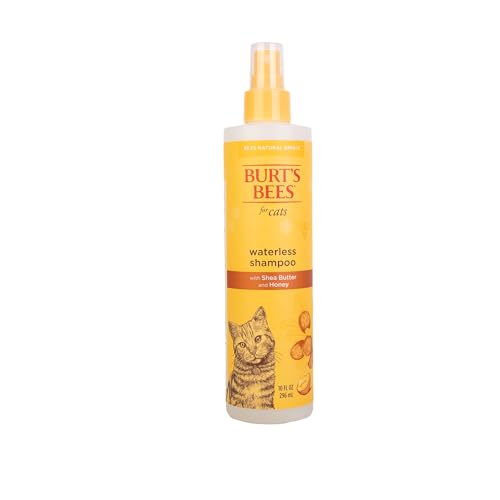
Best Budget: Burt's Bees for Cats Natural Shampoo. Burt's Bees offers a natural, affordable option with honey and oatmeal to condition the co.
Best Waterless: Pet Republique Waterless Cat Shampoo. This foam shampoo is perfect for quick cleanups between baths, especially for short hair c.
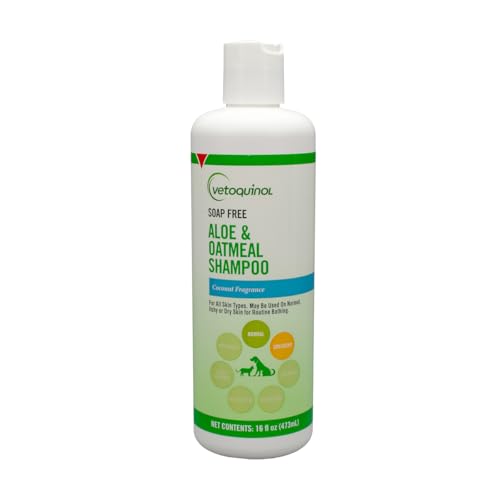
Best for Dander Control: Safari Cat Shampoo with Oatmeal and Aloe. Safari's shampoo combines oatmeal and aloe to reduce dander and moisturize the skin, which.
The best cat shampoo for short hair cats is the Furminator Ultra Premium Deshedding Shampoo. It reduces shedding and is gentle on short coats. For sensitive skin, choose Hertzko Oatmeal Hypoallergenic Shampoo. Budget-conscious owners will appreciate Burt’s Bees for Cats Natural Shampoo.
What to consider for Cat Shampoo For Short Hair Cats
Short hair cats have delicate skin and a thin coat that can be easily irritated. Choose a shampoo that is pH-balanced for cats, free of harsh chemicals like parabens and sulfates, and contains natural moisturizers like oatmeal or aloe vera. Avoid flea shampoos unless necessary, as they can be too strong. Also consider whether you want a waterless option for quick cleanups.
What to look for in a cat grooming tool or toy
For short hair cats, look for a shampoo that matches their coat type: gentle enough for daily use if needed, but effective at removing dirt and loose hair. Ensure the shampoo is non-toxic and safe if ingested during grooming. Choose a size that fits your usage; larger bottles are more economical for multiple cats. Genuine deshedding value comes from ingredients like omega fatty acids that support skin health.
How we chose these picks
Evaluated ingredient lists for safety and cat-specific formulation
Checked for pH balance and absence of irritants like alcohol and artificial fragrances
Considered brand reputation and customer reviews from pet owners
Prioritized shampoos that are tearless and easy to rinse
Focused on products that address common short hair cat issues: shedding, dander, and sensitive skin
Looked for value: a balance of price, bottle size, and effectiveness
Never ranked a product higher just because it pays a commission
What to avoid
Avoid shampoos with harsh chemicals like parabens, sulfates, and phthalates
Do not use human shampoo, as it disrupts a cat’s skin pH
Avoid flea and tick shampoos unless your cat has an active infestation and you’ve consulted a vet
Avoid heavily fragranced shampoos that can cause allergic reactions
Do not bathe a cat too frequently; once every 4 to 6 weeks is sufficient for most short hair cats
Short hair cats have a dense coat that sheds year-round, making a deshedding shampoo with omega fatty acids a practical choice to reduce loose hair and support skin health.
The Options
Types Explained
Traditional Liquid Shampoo
Standard shampoo that requires water. Best for full baths. Provides thorough cleaning and is available in various formulas.
Best for: Cats that tolerate water baths and need deep cleaning.
Waterless Shampoo
Foam or spray that cleans without water. Applied to the coat and massaged in, then towel-dried or brushed out.
Best for: Cats that dislike water or for quick spot cleaning between baths.
Medicated Shampoo
Contains active ingredients like chlorhexidine or ketoconazole to treat skin conditions. Often recommended by veterinarians.
Best for: Cats with diagnosed skin issues such as fungal infections or dermatitis.
Conditioning Shampoo
Shampoo with added conditioners like oatmeal or aloe to moisturize and soften the coat. Helps reduce static and dander.
Best for: Cats with dry skin or dull coats needing extra moisture.
The Rankings
Top 5 Picks
#1
Best Overall
Furminator Ultra Premium Deshedding Shampoo
View on Amazon
This shampoo is specifically designed to reduce shedding, which is ideal for short hair cats that shed seasonally. It contains omega-3 and omega-6 fatty acids to promote a healthy coat. The formula is gentle and pH-balanced for cats. However, it may not be suitable for cats with extremely sensitive skin due to the enzymes.
Hertzko's oatmeal formula soothes and moisturizes dry, itchy skin common in short hair cats. It is free from harsh chemicals and fragrances, making it hypoallergenic. The tearless formula simplifies bath time. One limitation is that it may not be as effective at removing heavy dirt or grease.
Burt's Bees offers a natural, affordable option with honey and oatmeal to condition the coat. It is pH-balanced and made without sulfates or fragrances. The small bottle size is convenient for occasional use. However, some users find the scent mild but not long-lasting.
This foam shampoo is perfect for quick cleanups between baths, especially for short hair cats that dislike water. It is made with aloe vera and coconut oil to condition the coat. The no-rinse formula is easy to apply. A trade-off is that it may leave a slight residue if not brushed out thoroughly.
Safari's shampoo combines oatmeal and aloe to reduce dander and moisturize the skin, which is beneficial for short hair cats with mild allergies. It is tearless and gentle. The formula is concentrated, so a little goes a long way. On the downside, the fragrance may be strong for some cats.
Look for natural, non-toxic ingredients like oatmeal, aloe vera, and coconut oil. Avoid parabens, sulfates, and artificial fragrances that can irritate a cat's sensitive skin.
02
pH Balance
Cats have a skin pH around 6.0 to 7.0. Shampoos formulated for cats maintain this balance, preventing dryness and irritation. Human shampoos are too acidic.
03
Tearless Formula
A tearless shampoo is important because cats often shake their heads during baths. This reduces eye irritation and makes the experience less stressful.
04
Ease of Rinsing
Short hair cats have a thin coat, so a shampoo that rinses out quickly prevents residue buildup. Residue can cause itching and dullness.
05
Purpose-Specific
Consider if you need a deshedding, moisturizing, or waterless formula. Choose based on your cat's specific needs, such as shedding control or sensitive skin.
Living With It
Care, Cost and Maintenance
Bathing Frequency
Short hair cats generally need a bath every 4 to 6 weeks. Over-bathing can strip natural oils, leading to dry skin. Adjust based on your cat's lifestyle and any skin conditions.
Brushing Before Bath
Brush your cat thoroughly before bathing to remove loose hair and tangles. This makes the bath more effective and reduces shedding during the wash.
Drying Technique
After a bath, wrap your cat in a warm towel and gently pat dry. Avoid vigorous rubbing. Use a low-heat hairdryer if your cat tolerates it, keeping a safe distance.
Pro tip
Before bathing, brush your cat thoroughly and trim nails to minimize stress and accidental scratches. Use a non-slip mat in the tub to help your cat feel secure.
Frequently asked questions
How often should I bathe my short hair cat?
Most short hair cats only need a bath every 4 to 6 weeks. Bathing too frequently can strip their skin of natural oils, leading to dryness and irritation. However, if your cat gets into something messy or has a medical condition, more frequent baths may be necessary. Always use a cat-specific shampoo and consult your vet if you have concerns about skin health.
Can I use dog shampoo on my cat?
No, you should not use dog shampoo on cats. Dog shampoos often have a different pH balance and may contain ingredients that are toxic to cats, such as permethrin. Cat shampoos are specifically formulated to match the pH of a cat's skin, which is more neutral. Using dog shampoo can cause skin irritation, dryness, and even poisoning. Always choose a shampoo labeled for cats.
What ingredients should I avoid in cat shampoo?
Avoid shampoos containing parabens, sulfates (SLS/SLES), artificial fragrances, and alcohol. These can irritate a cat's sensitive skin and cause allergic reactions. Also avoid essential oils like tea tree oil, which can be toxic to cats if ingested or absorbed. Stick to natural, hypoallergenic ingredients like oatmeal, aloe vera, and coconut oil.
Is waterless cat shampoo safe?
Yes, waterless cat shampoo is generally safe when used as directed. These products are designed to clean without rinsing, making them convenient for cats that dislike water. However, always check the ingredients to ensure they are non-toxic and free from harsh chemicals. Avoid getting the product in your cat's eyes or mouth. If your cat has sensitive skin, test a small area first.
How do I bathe a cat that hates water?
For cats that hate water, start by using a waterless shampoo or wet wipes. If a full bath is necessary, use a shallow basin with a few inches of lukewarm water. Speak calmly and offer treats. Use a cup or sprayer with a gentle stream. Keep the bath short and dry your cat immediately. Some cats prefer a sink bath over a tub.
Can I use human shampoo on my cat in an emergency?
It is not recommended. Human shampoo is too acidic for a cat's skin and can cause irritation and dryness. In an emergency, use a mild, fragrance-free, hypoallergenic baby shampoo as a last resort, but rinse thoroughly. The best option is to keep a cat-specific shampoo on hand. After any emergency wash, monitor your cat for signs of skin irritation.
What is the best way to dry a cat after a bath?
After a bath, wrap your cat in a warm, soft towel and gently pat dry. Avoid rubbing, as this can cause tangles or skin irritation. You can use a hairdryer on the lowest heat and speed setting, holding it at least 12 inches away. Many cats are frightened by the noise, so skip it if your cat is stressed. Ensure your cat is completely dry to prevent chilling.
How can I reduce shedding in my short hair cat?
Regular brushing is the best way to reduce shedding. Use a rubber grooming mitt or a soft bristle brush to remove loose hair. Bathing with a deshedding shampoo like Furminator can also help. Ensure your cat has a healthy diet rich in omega-3 fatty acids to support skin and coat health. Consult your vet if shedding seems excessive.
My cat has dandruff. What shampoo should I use?
For dandruff, choose a moisturizing shampoo with oatmeal or aloe vera, such as Safari Oatmeal and Aloe Shampoo. These ingredients soothe dry skin and reduce flaking. Avoid over-bathing, which can worsen dryness. If dandruff persists, consult your vet to rule out underlying health issues like allergies or nutritional deficiencies.
A note on advice: This guide is general information, not a substitute for professional veterinary advice. Talk to your vet before changing your pet's diet or care routine, especially if your pet has allergies, kidney disease, pancreatitis, obesity, heart disease or any other medical condition.
Transparency
How we made this guide
How we chose. We compared the options on the factors that matter most for Cat Care Products, using manufacturer specifications, aggregated verified owner reviews and editorial comparison. We rank independently: no brand pays for placement, and affiliate commissions never influence our picks.
How it was written. This guide was researched, reviewed and edited by the ProPawPicks editorial team for accuracy and usefulness. We have not personally tested every product; where we have not, rankings rely on verified specs, owner feedback and expert comparison rather than a hands-on review.
Affiliate disclosure. ProPawPicks is reader-supported. If you buy through links on our site, we may earn a commission at no extra cost to you. See our affiliate disclosure.
Some links below are affiliate links. If you buy through them we may earn a small commission at no extra cost to you. Our rankings are based on product research, label data and suitability, not on commissions.