๐Ÿ† Complete Buyer's Guide ยท Cat Care Products

Picking Cat Toothbrush for Kittens

Start brushing at 4-6 months to cut dental disease risk up to 80%. Our top pick is the Petsmile Professional Pet Toothbrush. Compare 5 options.

Some links below are affiliate links. If you buy through them we may earn a small commission at no extra cost to you. Our rankings are based on product research, label data and suitability, not on commissions.

Petsmile Professional Pet Toothbrush โ˜… Top Pick: Petsmile Professional Pet Toothbrush Check Price on Amazon →
2 to 3 times per week
Recommended brushing frequency for kittens
1 inch or less
Ideal brush head length for kittens
80%
Reduction in plaque with regular brushing
4 to 6 months
Age to start brushing for best acceptance
โšก Key takeaways
  • Best Overall: Petsmile Professional Pet Toothbrush. This toothbrush features an ultra-soft bristle head that is gentle on kitten gums, and its.
  • Best for Sensitive Kittens: Virbac C.E.T. Pet Toothbrush. Virbac's dual-ended design includes a small brush head on one end and a larger one for lat.
  • Best Budget: Nylabone Advanced Oral Care Pet Toothbrush. This affordable option has a comfortable, non-slip handle and soft bristles that clean eff.
  • Best Fingerbrush: PawFlex Kitten Finger Toothbrush. Designed as a silicone fingerbrush, this pick allows you to gently brush your kitten's tee.
  • Best Design: Hepper Pet Toothbrush. Hepper's toothbrush has an angled head and a long handle for easy access to all teeth.
At a Glance

Quick Comparison

Quick answer

The best cat toothbrush for kittens is the Petsmile Professional Pet Toothbrush for its ultra-soft bristles and small head designed for kittens. If your kitten is extra sensitive, the Virbac C.E.T. Pet Toothbrush offers a dual-ended design for gentle cleaning. For budget-conscious owners, the Nylabone Advanced Oral Care Pet Toothbrush provides good value with a comfortable handle.

What to consider for Cat Toothbrush For Kittens

Kittens have smaller mouths and more sensitive gums than adult cats, so a toothbrush must have a compact head and extra-soft bristles. Look for a brush with a long, ergonomic handle to reach back teeth comfortably. The bristle material should be gentle yet effective at removing plaque. Some brushes come in fingerbrush style, which can be less intimidating for kittens. Always use a pet-safe toothpaste, as human toothpaste can be toxic. Introducing brushing gradually with positive reinforcement helps kittens accept the routine.

What to look for in a cat grooming tool or toy

When choosing a toothbrush for kittens, prioritize a small brush head (about 1 inch or less) to fit their tiny mouths. Soft bristles are essential to avoid irritating delicate gums. A non-slip handle gives you better control. For kittens that resist, a fingerbrush can be a gentler start. Ensure the materials are non-toxic and BPA-free. Some brushes have angled heads to access hard-to-reach areas. A cap or cover keeps the brush clean between uses. Remember that the toothbrush is a grooming tool, not a toy, so supervise initial sessions.

How we chose these picks

  • Evaluated brush head size and bristle softness for kitten suitability
  • Reviewed materials for safety and durability
  • Considered handle design for ease of use
  • Checked customer feedback for real-world experiences
  • Compared price and value across brands
  • Ensured compatibility with pet-safe toothpaste
  • Never ranked a product higher just because it pays a commission

What to avoid

  • Avoid toothbrushes with hard bristles that can damage gums
  • Do not use human toothpaste, which contains xylitol or fluoride harmful to cats
  • Avoid brushes with small detachable parts that could be chewed off and swallowed
  • Never force brushing; it can create negative associations
  • Avoid leaving a kitten unsupervised with a toothbrush, as they may chew and ingest bristles

For more guidance, explore our cat guides, cat health, and cat care products.
Why this matters

Starting tooth brushing at 4 to 6 months of age, when kittens still have baby teeth, helps them accept the routine as adults. Regular brushing can reduce dental disease risk by up to 80%.

The Options

Types Explained

Standard Handle Toothbrush

A traditional toothbrush with a long handle and a small, soft-bristled head. Best for owners who want precise control and reach.

Best for: Kittens that tolerate handling and allow brushing with a tool

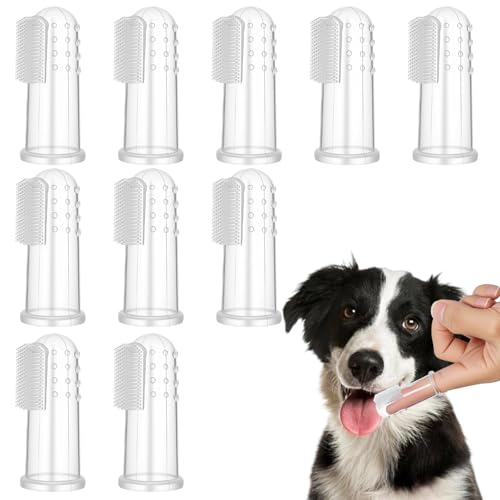
Finger Toothbrush

A silicone or rubber brush that fits over your finger. It uses gentle nubs to clean teeth and massage gums.

Best for: Kittens that are nervous about a brush; helps build trust

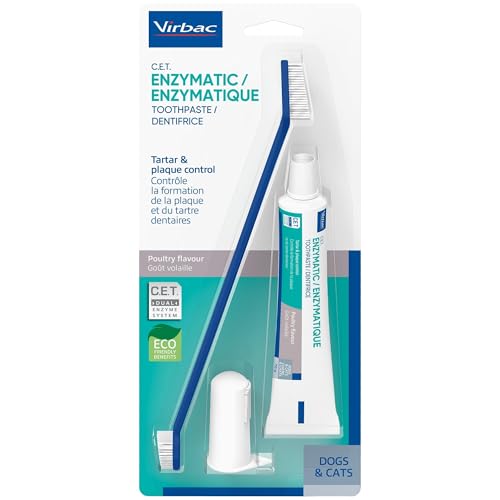
Dual-Ended Toothbrush

A toothbrush with a different sized head on each end, allowing you to start small and graduate to a larger head as the kitten grows.

Best for: Owners who want a long-term solution for kitten to adult

Electric Toothbrush for Pets

A battery-powered brush with vibrating or rotating head. Often includes multiple speed settings and a small head.

Best for: Kittens that are accustomed to brushing and need deeper cleaning
The Rankings

Top 5 Picks

#1
Petsmile Professional Pet Toothbrush
Best Overall

Petsmile Professional Pet Toothbrush

View on Amazon

This toothbrush features an ultra-soft bristle head that is gentle on kitten gums, and its small size fits tiny mouths perfectly. The ergonomic handle gives you good control. However, the bristles may wear out faster than firmer brushes, requiring replacement every 3 months.

#2
Virbac C.E.T. Pet Toothbrush
Best for Sensitive Kittens

Virbac C.E.T. Pet Toothbrush

View on Amazon

Virbac's dual-ended design includes a small brush head on one end and a larger one for later use, making it versatile as your kitten grows. The extra-soft bristles are ideal for sensitive gums. The only downside is the handle may feel a bit short for some users.

#3
Nylabone Advanced Oral Care Pet Toothbrush
Best Budget

Nylabone Advanced Oral Care Pet Toothbrush

View on Amazon

This affordable option has a comfortable, non-slip handle and soft bristles that clean effectively. The brush head is slightly larger than some kitten-specific brushes, so it may be better for older kittens. It lacks a cap for storage, which is a minor inconvenience.

#4
PawFlex Kitten Finger Toothbrush
Best Fingerbrush

PawFlex Kitten Finger Toothbrush

View on Amazon

Designed as a silicone fingerbrush, this pick allows you to gently brush your kitten's teeth using your finger, which many kittens find less intimidating. The soft nubs clean without irritation. However, it offers less reach for back teeth compared to a handled brush.

#5
Hepper Pet Toothbrush
Best Design

Hepper Pet Toothbrush

View on Amazon

Hepper's toothbrush has an angled head and a long handle for easy access to all teeth. The bristles are soft yet durable. The brush comes with a protective cap. One limitation is that the head may be slightly large for very young kittens (under 8 weeks).

Before You Buy

Key Buying Factors

01

Brush Head Size

Kittens have small mouths, so a brush head under 1 inch is ideal. A smaller head reaches back molars without causing discomfort.

02

Bristle Softness

Always choose extra-soft or soft bristles to protect delicate gums. Hard bristles can cause bleeding and make brushing a negative experience.

03

Handle Design

A long, ergonomic handle with a non-slip grip gives you better control and makes it easier to brush your kitten's teeth at the right angle.

04

Material Safety

Ensure the toothbrush is made from non-toxic, BPA-free materials. Some brushes have silicone heads that are gentle and safe if chewed.

05

Ease of Cleaning

A toothbrush that is easy to rinse and dries quickly prevents bacterial growth. Some come with a protective cap or case for storage.

Living With It

Care, Cost and Maintenance

Introducing Brushing

Start by letting your kitten sniff the toothbrush. Dip it in tuna water or pet-safe toothpaste to create positive association. Gently lift the lip and brush a few teeth at a time, rewarding with treats.

Cleaning the Toothbrush

Rinse the toothbrush thoroughly after each use to remove toothpaste and debris. Allow it to air dry upright. Replace the brush every 3 to 4 months or when bristles fray.

Storing the Toothbrush

Store the toothbrush in a clean, dry place away from other brushes to prevent cross-contamination. Use a cap or case if provided, but ensure it is dry before covering to avoid mold.

Pro tip

Use a flavored pet toothpaste (like poultry or seafood) to make brushing more appealing. Always reward with a treat after each session to create a positive association.

Frequently asked questions

How often should I brush my kitten's teeth?
Ideally, brush your kitten's teeth 2 to 3 times per week. Daily brushing is best for preventing plaque buildup, but even a few times a week makes a significant difference. Start slowly and increase frequency as your kitten gets used to the routine. Always use a pet-safe toothpaste and a soft-bristled brush.
What is the best deshedding tool for kittens?
For kittens, a gentle deshedding tool like a rubber curry brush or a fine-toothed comb works well. Avoid metal rakes or furminators with sharp edges until the kitten is older and has a thicker coat. The goal is to remove loose fur without irritating the skin. Start with short sessions and reward your kitten.
Can I use a human toothbrush on my kitten?
It is not recommended. Human toothbrushes have bristles that are too hard for a kitten's gums, and the head is often too large for their small mouth. Additionally, human toothpaste contains ingredients like xylitol and fluoride that are toxic to cats. Always use a pet-specific toothbrush and toothpaste.
What materials are safe for kitten toys?
Safe materials for kitten toys include non-toxic plastics, organic cotton, natural rubber, and sisal. Avoid toys with small parts that can be chewed off, such as buttons, beads, or plastic eyes. Also avoid toys with long strings or ribbons that could cause intestinal blockages if swallowed.
Should I choose interactive or solo toys for my kitten?
Both types are beneficial. Interactive toys like wand teasers strengthen your bond and provide exercise, while solo toys like balls or puzzle feeders keep your kitten entertained when you are away. Rotate toys to maintain novelty. Always supervise interactive play to prevent ingestion of parts.
Is it safe to leave my kitten alone with a string toy?
No, never leave a kitten unsupervised with string toys, including wand toys with dangling strings. Cats can swallow strings, which can cause life-threatening intestinal blockages. Always put string toys away after play sessions. Opt for safer solo toys like hard plastic balls or treat-dispensing puzzles.
What type of scratcher is best for kittens?
Cardboard scratchers are excellent for kittens because they are soft on claws and inexpensive. Horizontal scratchers are easier for kittens to use, but vertical posts are also good. Choose a scratcher that is stable and large enough for your kitten to stretch fully. Sprinkle catnip to encourage use.
How can I make grooming less stressful for my kitten?
Start grooming sessions when your kitten is calm, such as after a meal or play. Use gentle strokes and speak softly. Offer treats and praise throughout. Keep sessions short, just a few minutes, and gradually increase duration. If your kitten shows signs of stress, stop and try again later.
My kitten hates having its teeth brushed. What should I do?
Go slow and use positive reinforcement. Start by letting your kitten lick pet-safe toothpaste off your finger. Then gently rub the toothpaste on the gums with your finger. Gradually introduce the toothbrush, allowing the kitten to chew on it. Pair each step with treats. If resistance continues, consult your veterinarian for advice.
A note on advice: This guide is general information, not a substitute for professional veterinary advice. Talk to your vet before changing your pet's diet or care routine, especially if your pet has allergies, kidney disease, pancreatitis, obesity, heart disease or any other medical condition.
Transparency

How we made this guide

How we chose. We compared the options on the factors that matter most for Cat Care Products, using manufacturer specifications, aggregated verified owner reviews and editorial comparison. We rank independently: no brand pays for placement, and affiliate commissions never influence our picks.

How it was written. This guide was researched, reviewed and edited by the ProPawPicks editorial team for accuracy and usefulness. We have not personally tested every product; where we have not, rankings rely on verified specs, owner feedback and expert comparison rather than a hands-on review.

Affiliate disclosure. ProPawPicks is reader-supported. If you buy through links on our site, we may earn a commission at no extra cost to you. See our affiliate disclosure.

Keep Reading

More Cat Care Products guides

Expert Picks: Best Insulation for Outdoor Cat Houses (2026)View picks โ†’Interactive Cat Toys That Mimic Prey: 2026 Top PicksView picks โ†’Interactive Cat Feeders That Cats Actually Use: Top 4 PicksView picks โ†’Iprimio Cat Litter Scoops, ReviewedView picks โ†’Jewelry Monster Friend Cat Necklaces: What to Look ForView picks โ†’Best Joint Supplements for Dogs for Indoor Cats 2026: Top 5 PicksView picks โ†’

Sources and further reading

Some links below are affiliate links. If you buy through them we may earn a small commission at no extra cost to you. Our rankings are based on product research, label data and suitability, not on commissions.