๐Ÿ† Complete Buyer's Guide ยท Cat Care Products

Expert Picks: Best Cat Toothbrush for Nervous Cats 2026

Discover why finger brushes like Hepper Pet Toothbrush beat traditional designs for nervous cats. Gentle, stress-free dental care tips from a vet-recommended guide.

Some links below are affiliate links. If you buy through them we may earn a small commission at no extra cost to you. Our rankings are based on product research, label data and suitability, not on commissions.

Hepper Pet Toothbrush โ˜… Top Pick: Hepper Pet Toothbrush Check Price on Amazon →
2 to 3 times per week
Recommended brushing frequency
60 to 70%
Cats with dental disease by age 3
0.5 to 1 inch
Ideal brush head length
4 to 6 months
Typical toothbrush replacement interval
โšก Key takeaways
  • Best Overall: Hepper Pet Toothbrush. The Hepper Pet Toothbrush features ultra-soft bristles that are gentle on sensitive gums,.
  • Best for Sensitive Cats: Pet Republique Silicone Finger Toothbrush. This finger brush is made of soft, BPA-free silicone that feels like a gentle massage.
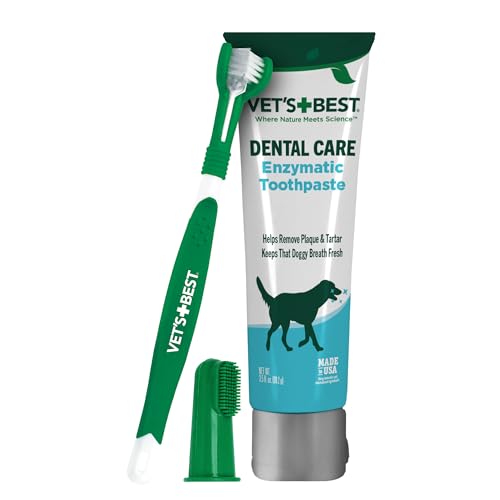
  • Best Starter Kit: Vet's Best Dental Care Kit. Includes a finger brush and enzymatic toothpaste in poultry flavor that most cats find pal.
  • Best Dual Action: Hertzko Dual Head Toothbrush. The Hertzko has two brush heads: a standard one and a smaller one for hard-to-reach areas.
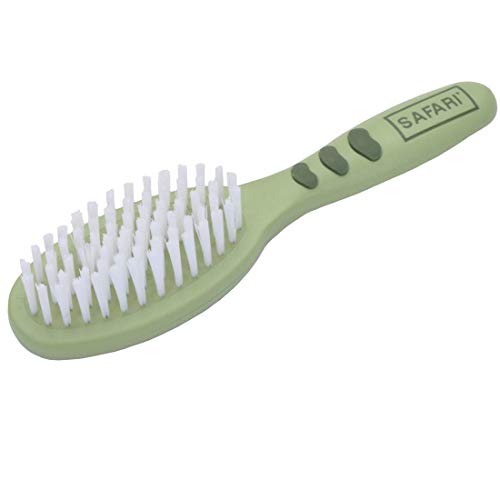
  • Best Budget: Safari Cat Toothbrush. This affordable toothbrush has a long handle and soft, rounded bristles.
At a Glance

Quick Comparison

Quick answer

For most nervous cats, the Hepper Pet Toothbrush is our top pick because its ultra-soft bristles and ergonomic handle make brushing less intimidating. If your cat tolerates finger brushes, the Pet Republique Silicone Finger Toothbrush offers a gentle alternative. For cats that resist any brush, the Vet’s Best Dental Care Kit includes a finger brush and enzymatic toothpaste to ease them into the routine.

What to consider for Cat Toothbrush For Nervous Cats

Nervous cats need a toothbrush that minimizes fear triggers. Look for soft, rounded bristles that won’t hurt gums, a slim head that fits easily into a small mouth, and a handle that gives you good control without sudden movements. Finger brushes can feel less threatening because they mimic a familiar touch. Also consider the toothpaste flavor: poultry or malt flavors often appeal to cats more than mint. Start with short sessions and always reward calm behavior.

What to look for in a cat grooming tool or toy

When choosing any grooming tool or toy for a nervous cat, prioritize gentle materials and a design that reduces stress. For brushes, ultra-soft bristles or silicone nubs are best. The tool should be appropriately sized for a cat’s mouth or body. Non-toxic, BPA-free materials are essential since cats may chew. For toys, avoid those with small parts or strings that could be swallowed. Look for interactive toys that provide enrichment without overstimulating a sensitive cat. A good match will make grooming or play a positive bonding experience.

How we chose these picks

  • Evaluated bristle softness and head size for comfort on sensitive gums.
  • Considered handle ergonomics for steady, gentle brushing.
  • Reviewed toothpaste flavor palatability and safety of ingredients.
  • Checked for non-toxic, BPA-free materials in all products.
  • Read verified buyer feedback from owners of nervous cats.
  • Prioritized products with calming design features like finger brushes or angled handles.
  • Never ranked a product higher just because it pays a commission.

What to avoid

  • Avoid toothbrushes with hard bristles that can hurt gums and increase fear.
  • Do not use human toothpaste; it contains xylitol and fluoride toxic to cats.
  • Skip finger brushes if your cat bites; they offer little protection.
  • Avoid forcing the brush; let the cat sniff and lick toothpaste first.
  • Never use a worn-out brush with frayed bristles that could injure the mouth.

For more help, browse our cat guides, cat health, and cat care products.

Why this matters

Nervous cats often respond better to finger brushes than traditional handled toothbrushes because the familiar touch reduces fear, making dental care less stressful for both cat and owner.

The Options

Types Explained

Finger Toothbrush

A silicone cap that fits over your finger, allowing you to brush with gentle pressure. It feels less invasive for nervous cats.

Best for: Cats that tolerate finger contact but resist traditional brushes.

Dual-Head Toothbrush

Features two different brush heads on one handle, often one standard and one smaller for precision. Offers versatility for different mouth areas.

Best for: Owners who want one tool for both front and back teeth.

Angled Handle Toothbrush

The handle is bent to help you reach the back teeth without awkward wrist angles. Reduces sudden movements that can startle cats.

Best for: Cats that flinch at straight brushes; allows a more natural hand position.

Toothbrush and Toothpaste Kit

Includes a toothbrush (often finger or small head) and a tube of enzymatic toothpaste. Provides everything needed to start a dental routine.

Best for: First-time owners or those introducing dental care to a nervous cat.
The Rankings

Top 5 Picks

#1
Hepper Pet Toothbrush
Best Overall

Hepper Pet Toothbrush

View on Amazon

The Hepper Pet Toothbrush features ultra-soft bristles that are gentle on sensitive gums, and its ergonomic handle gives you steady control. The slim head fits easily into a cat's mouth without causing panic. However, the bristles may wear out faster than firmer brushes, requiring replacement every few months.

#2
Pet Republique Silicone Finger Toothbrush
Best for Sensitive Cats

Pet Republique Silicone Finger Toothbrush

View on Amazon

This finger brush is made of soft, BPA-free silicone that feels like a gentle massage. It allows you to use your finger's sensitivity to avoid startling a nervous cat. The downside is that it offers less reach for back teeth, so it's best for cats that tolerate finger contact.

#3
Vet's Best Dental Care Kit
Best Starter Kit

Vet's Best Dental Care Kit

View on Amazon

Includes a finger brush and enzymatic toothpaste in poultry flavor that most cats find palatable. The toothpaste helps reduce plaque without harsh brushing. The kit is a great introduction, but the finger brush may not be durable for long-term use.

#4
Hertzko Dual Head Toothbrush
Best Dual Action

Hertzko Dual Head Toothbrush

View on Amazon

The Hertzko has two brush heads: a standard one and a smaller one for hard-to-reach areas. The soft bristles are gentle, and the handle is designed for a comfortable grip. However, the dual heads may make the brush bulkier, which could be intimidating for very nervous cats.

#5
Safari Cat Toothbrush
Best Budget

Safari Cat Toothbrush

View on Amazon

This affordable toothbrush has a long handle and soft, rounded bristles. It comes in fun colors and is effective for daily cleaning. The main trade-off is that the bristles are not as plush as premium options, so it may not be as gentle on extremely sensitive gums.

Before You Buy

Key Buying Factors

01

Bristle Softness

Nervous cats have sensitive gums. Look for ultra-soft or silicone bristles that won't cause pain or bleeding. Hard bristles can create negative associations.

02

Handle Design

A long, ergonomic handle gives you better control and keeps your fingers away from teeth. Some handles have non-slip grips to prevent sudden movements.

03

Toothpaste Compatibility

Many toothbrushes come with or recommend enzymatic toothpaste. Choose a flavor your cat likes, such as poultry or malt, to make the experience positive.

04

Size and Head Shape

A small, narrow head fits a cat's mouth comfortably. Dual-ended or angled heads can help reach back molars without forcing the mouth open wide.

05

Material Safety

Ensure the brush is made from non-toxic, BPA-free materials. Cats may chew on the brush, so safety is paramount.

Living With It

Care, Cost and Maintenance

Introducing the Toothbrush

Let your cat sniff and lick the brush and toothpaste before use. Start by gently rubbing the gums with your finger, then progress to the brush. Keep sessions short and positive, rewarding with treats.

Brushing Technique

Hold the brush at a 45-degree angle to the teeth. Use small circular motions on the outer surfaces. Focus on the back teeth where plaque builds up. Never force the mouth open; let the cat close it if needed.

Cleaning and Replacement

Rinse the toothbrush thoroughly after each use and store it in a dry place. Replace every 4 to 6 months or sooner if bristles become frayed. A worn brush can irritate gums and is less effective.

Pro tip

Before brushing, let your cat taste the toothpaste from your finger. This builds a positive association and makes the toothbrush less scary.

Frequently asked questions

How often should I brush my nervous cat's teeth?
Ideally, brush your cat's teeth 2 to 3 times per week. Even once a week is beneficial if your cat is very anxious. Consistency is more important than frequency; a gentle, brief session builds trust over time. Always end with a treat or praise.
Are deshedding tools safe for nervous cats?
Deshedding tools like the Furminator can be safe if used gently, but they may be too harsh for sensitive skin. For nervous cats, start with a soft bristle brush or a grooming glove. Avoid over-brushing, which can cause irritation. If your cat shows signs of stress, stop and try a different tool.
What should I do if my cat has sensitive skin?
Use only tools with soft, rounded bristles or silicone nubs. Avoid metal combs or hard plastic. Choose grooming products labeled for sensitive skin. If redness or flaking occurs, consult a veterinarian. Always brush in the direction of hair growth to minimize discomfort.
What materials are safe for cat toys?
Look for toys made from non-toxic, BPA-free materials. Natural fibers like organic cotton or wool are safe, as are high-quality synthetic fabrics. Avoid toys with small plastic parts, buttons, or loose strings that can be chewed off and swallowed. Always supervise play with new toys.
Should I use interactive or solo toys for a nervous cat?
Interactive toys like wand toys can help build confidence through play, but they require your presence. Solo toys like treat puzzles or catnip mice are good for independent play. For nervous cats, start with interactive play to create positive associations, then introduce solo toys for when you are away.
How do I supervise play with string toys safely?
Never leave your cat unsupervised with string toys, as they can ingest strings causing intestinal blockages. Use wand toys with a long, sturdy string and store them out of reach after play. Inspect toys regularly for fraying or loose parts and discard damaged ones immediately.
What type of scratcher is best for a nervous cat?
Cardboard scratchers are quiet and less intimidating, while sisal rope scratchers offer a satisfying texture. Place scratchers in calm, low-traffic areas. For nervous cats, a flat horizontal scratcher may be less threatening than a vertical post. Sprinkle catnip to encourage use.
How can I make grooming less stressful for my cat?
Create a calm environment with soft music or pheromone diffusers. Use treats and praise during and after grooming. Keep sessions short and stop if your cat becomes agitated. Gradually increase handling time. If your cat is extremely fearful, consult a certified animal behaviorist.
What if my cat refuses to let me brush its teeth?
Do not force it. Start by letting your cat lick toothpaste off your finger. Gradually rub the gums with your finger, then introduce a finger brush. Use positive reinforcement. If resistance continues, consider dental treats or water additives as a supplement. Consult your veterinarian for alternative dental care options.
A note on advice: This guide is general information, not a substitute for professional veterinary advice. Talk to your vet before changing your pet's diet or care routine, especially if your pet has allergies, kidney disease, pancreatitis, obesity, heart disease or any other medical condition.
Transparency

How we made this guide

How we chose. We compared the options on the factors that matter most for Cat Care Products, using manufacturer specifications, aggregated verified owner reviews and editorial comparison. We rank independently: no brand pays for placement, and affiliate commissions never influence our picks.

How it was written. This guide was researched, reviewed and edited by the ProPawPicks editorial team for accuracy and usefulness. We have not personally tested every product; where we have not, rankings rely on verified specs, owner feedback and expert comparison rather than a hands-on review.

Affiliate disclosure. ProPawPicks is reader-supported. If you buy through links on our site, we may earn a commission at no extra cost to you. See our affiliate disclosure.

Keep Reading

More Cat Care Products guides

Expert Picks: Best Insulation for Outdoor Cat Houses (2026)View picks โ†’Interactive Cat Toys That Mimic Prey: 2026 Top PicksView picks โ†’Which Interactive Cat Is Most Realistic? Our 2026 Top PickView picks โ†’Interactive Cat Feeders That Cats Actually Use: Top 4 PicksView picks โ†’Iprimio Cat Litter Scoops, ReviewedView picks โ†’Experts Pick: Johnson’s Baby Shampoos (Not for Cats)View picks โ†’

Sources and further reading

Some links below are affiliate links. If you buy through them we may earn a small commission at no extra cost to you. Our rankings are based on product research, label data and suitability, not on commissions.