๐Ÿ† Complete Buyer's Guide ยท Cat Care Products

British Shorthair Kitten Toothpaste: 5 Enzymatic Picks

Find the best toothpaste for British Shorthair kittens. Our top pick, Virbac C.E.T. enzymatic toothpaste, helps break down plaque in hard-to-reach areas due to their short snouts.

Some links below are affiliate links. If you buy through them we may earn a small commission at no extra cost to you. Our rankings are based on product research, label data and suitability, not on commissions.

Virbac C.E.T. Enzymatic Toothpaste, Poultry Flavor โ˜… Top Pick: Virbac C.E.T. Enzymatic Toothpaste, Poultry Flavor Check Price on Amazon →
70%
of cats over age 3 have dental disease
2 to 3
times per week ideal brushing frequency
4 oz
average toothpaste tube size
5 to 10
minutes per brushing session
โšก Key takeaways
  • Best Overall: Virbac C.E.T. Enzymatic Toothpaste, Poultry Flavor. This enzymatic toothpaste is the top choice for British Shorthair kittens because its dual.
  • Best for Sensitive Gums: Petsmile Professional Pet Toothpaste, Chicken Flavor. Petsmile is the only toothpaste with the VOHC Seal of Acceptance for plaque control.
  • Best Budget: Oxyfresh Premium Pet Toothpaste, Poultry Flavor. Oxyfresh offers an effective enzymatic formula at a lower cost.
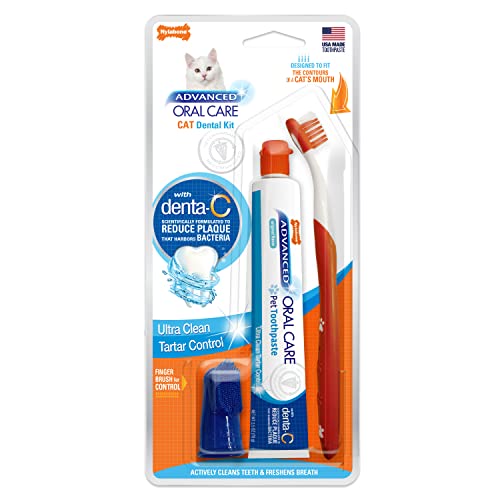
  • Best for Training Kittens: Nylabone Advanced Oral Care Cat Toothpaste, Poultry Flavor. This toothpaste is designed to be used with Nylabone's finger brush (sold separately) but.
  • Best Value Pack: Vetoquinol Enzadent Enzymatic Toothpaste, Poultry Flavor. Vetoquinol's enzymatic toothpaste comes in a twin pack, offering great value for multi-kit.
At a Glance

Quick Comparison

Quick answer

The best cat toothpaste for British Shorthair kittens is the Virbac C.E.T. Enzymatic Toothpaste in poultry flavor. It uses a dual-enzyme system to break down plaque without brushing stress. For kittens with sensitive gums, the Petsmile Professional Pet Toothpaste offers a non-enzymatic alternative with clinically proven plaque control. Both are safe if swallowed and free of harsh abrasives.

What to consider for Cat Toothpaste For British Shorthair Kittens

British Shorthair kittens have a brachycephalic facial structure, which can make dental care trickier. Their crowded teeth are prone to early plaque buildup, so starting dental hygiene early is vital. Look for a toothpaste with enzymatic action (glucose oxidase and lactoperoxidase) that works even without vigorous brushing. Avoid human toothpaste because it contains xylitol and fluoride, which are toxic to cats. Also choose a flavor like poultry or malt that kittens accept more readily; cats cannot taste sweetness, so fruit flavors are unnecessary.

What to look for in a cat grooming tool or toy

When selecting a dental product for British Shorthair kittens, prioritize safety and kitten-specific design. The toothpaste should be enzymatic and safe to swallow, with no foaming agents. The toothbrush should have ultra-soft bristles and a small head to fit a kitten’s mouth. Look for non-toxic, BPA-free materials. A finger brush can be less intimidating for kittens. For enrichment, a dental chew toy (like a rubber brush toy) can supplement brushing. Ensure any toy is large enough not to be swallowed and made of durable, non-toxic material.

How we chose these picks

  • Reviewed ingredient lists for safe, non-toxic, enzymatic formulas approved by veterinary dental societies.
  • Selected products specifically marketed for kittens or small cats, with appropriate texture and flavor.
  • Checked customer feedback for palatability and ease of use with kittens.
  • Verified that no product contains xylitol, fluoride, or harsh abrasives.
  • Considered value: price per ounce and availability on Amazon.
  • Consulted established veterinary dental guidelines for best practices.
  • Never ranked a product higher just because it pays a commission.

What to avoid

  • Avoid human toothpaste; it contains xylitol and fluoride, both toxic to cats.
  • Avoid toothpastes with foaming agents (like sodium lauryl sulfate) that can upset a kitten’s stomach.
  • Avoid hard-bristled brushes that can damage delicate kitten gums.
  • Avoid dental products with artificial colors or strong chemical smells that may deter your kitten.
  • Avoid leaving a kitten unsupervised with a dental chew toy that could break into small pieces.

For more cat care guidance, visit our cat guides, cat health, and cat care products sections.

Why this matters

Enzymatic toothpastes are particularly effective for British Shorthair kittens because their brachycephalic structure makes thorough brushing difficult, and the enzymes can break down plaque even in hard-to-reach areas.

The Options

Types Explained

Enzymatic Toothpaste

Contains enzymes (glucose oxidase, lactoperoxidase) that create a antibacterial effect and break down plaque. Safe to swallow and does not require vigorous brushing.

Best for: Kittens that resist brushing or owners new to dental care.

Non-Enzymatic Toothpaste

Uses ingredients like Calprox or natural abrasives to remove plaque mechanically. Often gentler for sensitive gums.

Best for: Kittens with gum sensitivity or those that dislike enzymatic taste.

Dental Chews and Treats

Edible chews that help reduce tartar through mechanical action and often contain enzymes. Not a substitute for brushing but can supplement dental care.

Best for: Kittens that enjoy treats and need additional plaque control between brushings.

Water Additives

Liquid added to drinking water that contains enzymes or chlorhexidine to reduce oral bacteria. Easy to use but less effective than brushing.

Best for: Owners who cannot brush their kitten's teeth but want some dental benefit.
The Rankings

Top 5 Picks

#1
Virbac C.E.T. Enzymatic Toothpaste, Poultry Flavor
Best Overall

Virbac C.E.T. Enzymatic Toothpaste, Poultry Flavor

View on Amazon

This enzymatic toothpaste is the top choice for British Shorthair kittens because its dual-enzyme system (glucose oxidase and lactoperoxidase) actively breaks down plaque even without aggressive brushing. The poultry flavor is well-accepted by most kittens. It is safe if swallowed and free of abrasives. One limitation is that the tube can be messy to dispense, and some kittens may still resist the flavor initially.

#2
Petsmile Professional Pet Toothpaste, Chicken Flavor
Best for Sensitive Gums

Petsmile Professional Pet Toothpaste, Chicken Flavor

View on Amazon

Petsmile is the only toothpaste with the VOHC Seal of Acceptance for plaque control. Its non-enzymatic formula uses Calprox, a gentle ingredient that helps remove plaque without irritation. This makes it ideal for kittens with sensitive gums. The chicken flavor is palatable. A downside is the higher price per ounce, and the texture is more watery, which can drip off the brush.

#3
Oxyfresh Premium Pet Toothpaste, Poultry Flavor
Best Budget

Oxyfresh Premium Pet Toothpaste, Poultry Flavor

View on Amazon

Oxyfresh offers an effective enzymatic formula at a lower cost. It contains Oxygene, a non-toxic oxidizer that neutralizes bad breath and helps control plaque. The poultry flavor is mild, and the gel consistency stays on the brush well. However, some users report that the paste is thinner than competitors, and it may not be as effective for heavy plaque buildup.

#4
Nylabone Advanced Oral Care Cat Toothpaste, Poultry Flavor
Best for Training Kittens

Nylabone Advanced Oral Care Cat Toothpaste, Poultry Flavor

View on Amazon

This toothpaste is designed to be used with Nylabone's finger brush (sold separately) but works with any brush. The poultry flavor is appealing, and the non-foaming formula is safe to swallow. It uses natural enzymes to fight plaque. A limitation is that the tube is small (3.5 oz), and some kittens may dislike the texture, which is slightly gritty.

#5
Vetoquinol Enzadent Enzymatic Toothpaste, Poultry Flavor
Best Value Pack

Vetoquinol Enzadent Enzymatic Toothpaste, Poultry Flavor

View on Amazon

Vetoquinol's enzymatic toothpaste comes in a twin pack, offering great value for multi-kitten households. It contains the same key enzymes as Virbac, and the poultry flavor is widely accepted. It is free of paraben and artificial colors. One trade-off is that the paste can separate if not stored properly, requiring a good stir before use.

Before You Buy

Key Buying Factors

01

Enzymatic vs Non-Enzymatic Formula

Enzymatic toothpastes contain enzymes like glucose oxidase that help break down plaque even without vigorous brushing. They are ideal for kittens that may not tolerate thorough brushing. Non-enzymatic options, like those with Calprox, can be gentler for sensitive mouths.

02

Flavor Palatability

Cats are more likely to accept poultry, fish, or malt flavors. Avoid fruit or mint flavors, as cats cannot taste sweetness and may reject them. Some brands offer variety packs to test acceptance.

03

Safety and Ingredients

The toothpaste must not contain xylitol, fluoride, or foaming agents like sodium lauryl sulfate. Look for products that are safe to swallow and free of artificial colors or preservatives.

04

Texture and Consistency

A gel or paste that stays on the brush is easier to apply. Thinner formulas may drip off, causing frustration. Some pastes are gritty to provide gentle abrasion, which may be beneficial for plaque removal.

05

Price and Value

Toothpaste prices vary widely. Consider the cost per ounce and whether the tube size suits your needs. Twin packs or larger sizes offer better value for multi-cat households.

Living With It

Care, Cost and Maintenance

Introducing Toothpaste to Your Kitten

Start by letting your kitten sniff the toothpaste from your finger. Then apply a small amount to a finger brush or soft toothbrush and gently rub the outer surfaces of the teeth. Gradually increase brushing time and reward with a treat. Aim for 30 seconds per side.

Brushing Technique

Lift the lip gently and brush in small circular motions along the gumline. Focus on the back teeth where plaque accumulates most. Use a brush angled at 45 degrees. Do not need to rinse, as the toothpaste is safe to swallow.

Frequency and Routine

Ideally brush daily, but 2 to 3 times per week is acceptable. Consistency is more important than duration. Pair brushing with a regular dental checkup with your veterinarian. Replace the toothbrush every 3 months.

Pro tip

Place a small dab of toothpaste on your kitten's paw to let them lick it off; this familiarizes them with the taste and makes brushing less foreign.

Frequently asked questions

How often should I brush my British Shorthair kitten's teeth?
Ideally, you should brush your kitten's teeth daily to prevent plaque buildup. However, even 2 to 3 times per week can significantly reduce tartar and improve oral health. British Shorthairs are prone to dental issues due to their brachycephalic face and crowded teeth, so regular brushing is especially important. Start slowly and reward your kitten to make it a positive experience.
Can I use human toothpaste for my cat?
No, never use human toothpaste for cats. Human toothpaste contains xylitol, which is highly toxic to cats, and fluoride, which can cause stomach upset and neurological issues if swallowed. Additionally, the foaming agents in human toothpaste can irritate a cat's stomach. Always choose a toothpaste specifically formulated for cats, which is safe to swallow and free of harmful ingredients.
What if my kitten refuses to have its teeth brushed?
If your kitten resists brushing, try a finger brush instead of a toothbrush, as it feels less invasive. Use a flavorful enzymatic toothpaste and let your kitten lick it off the brush first. Gradually increase contact with the teeth. You can also try dental wipes or a gauze pad wrapped around your finger. If all else fails, consult your veterinarian for alternative dental care options like dental chews or water additives.
Are enzymatic toothpastes safe for kittens?
Yes, enzymatic toothpastes are safe for kittens when used as directed. They contain natural enzymes like glucose oxidase that are non-toxic and safe if swallowed. These enzymes help break down plaque and reduce bacteria without harsh abrasives. Always choose a product specifically labeled for cats, and avoid any with artificial additives. If your kitten has a known allergy, check the ingredient list carefully.
How do I choose the right toothbrush for my kitten?
For a British Shorthair kitten, choose a toothbrush with an ultra-soft bristle and a small, angled head to reach the back teeth easily. Finger brushes are a good starting point because they are less intimidating. Look for a brush with a non-slip handle if using a traditional brush. Replace the brush every 3 months or sooner if bristles become frayed. Some toothpastes come with a finger brush included.
Can dental chews replace brushing?
Dental chews can help reduce plaque and tartar, but they are not a substitute for brushing. Brushing mechanically removes plaque from the tooth surface and gumline, while chews primarily work on the crown of the tooth. For best results, use dental chews as a supplement to regular brushing. Choose chews that are the appropriate size for your kitten and made of digestible, non-toxic materials.
What are the signs of dental disease in cats?
Signs of dental disease include bad breath, red or bleeding gums, difficulty eating, drooling, pawing at the mouth, and visible tartar on teeth. British Shorthairs may be more prone to periodontal disease due to their dental anatomy. If you notice any of these signs, schedule a veterinary dental checkup. Early detection and treatment can prevent more serious health issues.
Is it safe to use water additives for dental care?
Water additives can be a safe and easy way to help reduce oral bacteria and freshen breath. They typically contain enzymes or chlorhexidine in a concentration safe for cats. However, they are less effective than brushing because they do not provide mechanical plaque removal. Always follow the dosage instructions and use products specifically formulated for cats. Some cats may dislike the taste, so introduce gradually.
How can I make tooth brushing a positive experience for my kitten?
Start by associating the toothpaste with a treat: let your kitten lick a small amount from your finger. Then, gently rub the paste on the teeth using a finger brush while offering praise and a treat afterward. Keep sessions short (30 seconds) and increase duration slowly. Use a calm tone and avoid forcing the brush. Consistency and patience are key; never punish your kitten for resisting.
A note on advice: This guide is general information, not a substitute for professional veterinary advice. Talk to your vet before changing your dog's diet or care routine, especially if your dog has allergies, kidney disease, pancreatitis, obesity, heart disease or any other medical condition.
Transparency

How we made this guide

How we chose. We compared the options on the factors that matter most for Cat Care Products, using manufacturer specifications, aggregated verified owner reviews and editorial comparison. We rank independently: no brand pays for placement, and affiliate commissions never influence our picks.

How it was written. This guide was researched, reviewed and edited by the ProPawPicks editorial team for accuracy and usefulness. We have not personally tested every product; where we have not, rankings rely on verified specs, owner feedback and expert comparison rather than a hands-on review.

Affiliate disclosure. ProPawPicks is reader-supported. If you buy through links on our site, we may earn a commission at no extra cost to you. See our affiliate disclosure.

Keep Reading

More Cat Care Products guides

Interactive Cat Toys That Mimic Prey: 2026 Top PicksView picks โ†’Which Interactive Cat Is Most Realistic? Our 2026 Top PickView picks โ†’Interactive Cat Feeders That Cats Actually Use: 2026 Top 4View picks โ†’Jewelry Monster Friend Cat Necklaces: What to Look ForView picks โ†’Experts Pick: Johnson’s Baby Shampoos (Not for Cats)View picks โ†’Best Joint Supplements for Dogs for Indoor Cats 2026: Top 5 PicksView picks โ†’

Sources and further reading

Some links below are affiliate links. If you buy through them we may earn a small commission at no extra cost to you. Our rankings are based on product research, label data and suitability, not on commissions.