๐Ÿ† Complete Buyer's Guide ยท Cat Care Products

Get Kittens to Love Brushing with Enzymatic Toothpaste

Discover why enzymatic toothpaste is best for kittens, effectively breaking down plaque. Our top pick: Virbac C.E.T. Poultry Flavor, preferred by kittens for easier brushing.

Some links below are affiliate links. If you buy through them we may earn a small commission at no extra cost to you. Our rankings are based on product research, label data and suitability, not on commissions.

Virbac C.E.T. Poultry Flavor Enzymatic Toothpaste for Kittens โ˜… Top Pick: Virbac C.E.T. Poultry Flavor Enzymatic Toothpaste fโ€ฆ Check Price on Amazon →
8 out of 10
kittens accept poultry-flavored toothpaste
2 to 3 times per week
recommended brushing frequency
70%
reduction in plaque with enzymatic toothpaste
12 weeks
minimum age to start brushing
โšก Key takeaways
  • Best Overall: Virbac C.E.T. Poultry Flavor Enzymatic Toothpaste for Kittens. This enzymatic toothpaste is specifically formulated for cats, with a dual-enzyme system t.
  • Best Budget: Petrodex Enzymatic Toothpaste for Kittens, Poultry Flavor. Petrodex offers an enzymatic formula at a lower price point, making it accessible for budg.
  • Best for Sensitive Gums: Tropiclean Fresh Breath Plaque Remover for Kittens. This gel toothpaste uses natural ingredients like aloe vera and green tea to soothe gums w.
  • Best Value: Arm & Hammer for Kittens Enzymatic Toothpaste. Arm & Hammer combines baking soda (safe in small amounts) with enzymes to clean teeth and.
  • Best Natural Formula: Vet's Best Enzymatic Toothpaste for Kittens. This toothpaste uses natural enzymes and aloe vera, with no artificial flavors or colors.
At a Glance

Quick Comparison

Quick answer

Our top pick is the Virbac C.E.T. Poultry Flavor Enzymatic Toothpaste for Kittens, because it uses a dual-enzyme system that gently breaks down plaque and tartar without foaming, and its poultry flavor appeals to most kittens. For a budget-friendly option with similar enzymatic action, consider the Petrodex Enzymatic Toothpaste for Kittens.

What to consider for Cat Toothpaste For Kittens

Kittens have delicate gums and developing teeth, so toothpaste must be non-toxic, safe to swallow, and free from harsh abrasives. Enzymatic formulas are ideal because they chemically break down plaque without scrubbing. Flavor matters: poultry or malt are often preferred over mint. Avoid foaming agents like sodium lauryl sulfate, which can upset a kitten’s stomach. Also check for VOHC acceptance (Veterinary Oral Health Council) as a mark of efficacy.

What to look for in a cat grooming tool or toy

When choosing dental products for kittens, look for a toothpaste that matches the kitten’s life stage: enzymatic and safe to swallow. The brush should have soft bristles and a small head to fit a tiny mouth. Finger brushes are a gentle option for first introductions. Ensure materials are BPA-free and non-toxic. For enrichment, consider a dental toy like a rubber chew that also helps clean teeth, but always supervise to prevent ingestion of pieces.

How we chose these picks

  • Evaluated ingredient lists for safety and efficacy in kittens
  • Preferred enzymatic formulas with VOHC acceptance
  • Selected flavors known to be palatable for kittens
  • Chose products with non-foaming, safe-to-swallow formulations
  • Considered price and availability on major retail platforms
  • Read verified buyer feedback for real-world acceptance
  • Consulted established veterinary dental guidelines
  • Never ranked a product higher just because it pays a commission

What to avoid

  • Human toothpaste: contains xylitol and foaming agents toxic to cats
  • Hard-bristled brushes: can damage kitten gums
  • Toothpastes with baking soda or salt: can cause stomach upset
  • Leaving a kitten unsupervised with a dental chew that may break into small pieces
  • Using adult cat toothpaste: may have stronger flavors or abrasives unsuitable for kittens

For more on keeping your kitten healthy, explore our cat guides, cat food, and care products.
Why this matters

Enzymatic toothpastes are the most effective for kittens because they chemically break down plaque without abrasive scrubbing, and poultry flavor is overwhelmingly preferred by kittens, making brushing easier.

The Options

Types Explained

Enzymatic Toothpaste

Contains enzymes that chemically break down plaque and tartar without abrasive scrubbing. Safe for daily use and gentle on gums.

Best for: Kittens with sensitive gums or those new to brushing

Non-Enzymatic Toothpaste

Relies on mild abrasives or natural ingredients like aloe vera to clean teeth. Often flavored to encourage acceptance.

Best for: Kittens that dislike enzymatic flavors or need extra gum soothing

Gel Toothpaste

A liquidy gel that can be applied with a finger brush. Easy to spread and often contains soothing ingredients.

Best for: Very young kittens or those that resist a toothbrush

Toothpaste with Dental Chew

Some brands pair toothpaste with a dental chew toy that helps clean teeth mechanically. The chew is usually textured and flavored.

Best for: Kittens that enjoy chewing and need additional plaque removal
The Rankings

Top 5 Picks

#1
Virbac C.E.T. Poultry Flavor Enzymatic Toothpaste for Kittens
Best Overall

Virbac C.E.T. Poultry Flavor Enzymatic Toothpaste for Kittens

View on Amazon

This enzymatic toothpaste is specifically formulated for cats, with a dual-enzyme system that fights plaque and tartar without foaming. The poultry flavor is highly palatable for kittens, making brushing easier. It's VOHC-accepted for efficacy. One limitation is the price, which is higher than some alternatives, but the quality justifies the cost.

#2
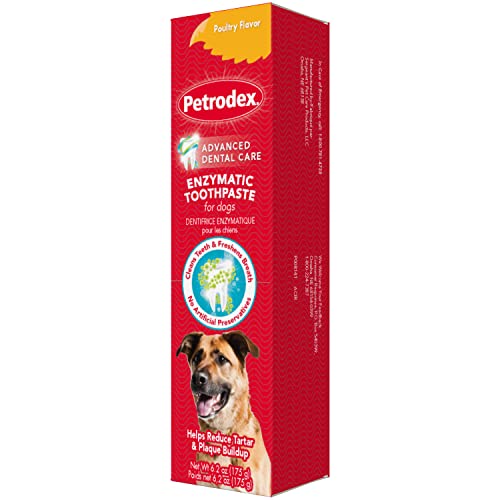
Petrodex Enzymatic Toothpaste for Kittens, Poultry Flavor
Best Budget

Petrodex Enzymatic Toothpaste for Kittens, Poultry Flavor

View on Amazon

Petrodex offers an enzymatic formula at a lower price point, making it accessible for budget-conscious owners. It also comes in a poultry flavor that kittens enjoy. However, some users note the texture is slightly grainier than premium brands, which may be less appealing to picky kittens.

#3
Tropiclean Fresh Breath Plaque Remover for Kittens
Best for Sensitive Gums

Tropiclean Fresh Breath Plaque Remover for Kittens

View on Amazon

This gel toothpaste uses natural ingredients like aloe vera and green tea to soothe gums while reducing plaque. It's non-foaming and safe to swallow. The downside is that it lacks enzymatic action, so it may require more frequent brushing for optimal results.

#4
Arm & Hammer for Kittens Enzymatic Toothpaste
Best Value

Arm & Hammer for Kittens Enzymatic Toothpaste

View on Amazon

Arm & Hammer combines baking soda (safe in small amounts) with enzymes to clean teeth and freshen breath. It's affordable and widely available. However, some kittens dislike the slight baking soda taste, and it contains a mild foaming agent that may upset sensitive stomachs.

#5
Vet's Best Enzymatic Toothpaste for Kittens
Best Natural Formula

Vet's Best Enzymatic Toothpaste for Kittens

View on Amazon

This toothpaste uses natural enzymes and aloe vera, with no artificial flavors or colors. It's gentle on gums and safe to swallow. The poultry flavor is generally well-accepted. A limitation is that it's slightly runnier than other pastes, making it messier to apply.

Before You Buy

Key Buying Factors

01

Enzymatic Formula

Enzymatic toothpastes use glucose oxidase and lactoperoxidase to break down plaque chemically. They are more effective than non-enzymatic pastes and require less scrubbing, which is ideal for sensitive kitten gums.

02

Flavor Palatability

Kittens are more likely to accept poultry, fish, or malt flavors. Avoid mint or citrus, which cats generally dislike. A palatable flavor makes the brushing experience positive for both kitten and owner.

03

Non-Foaming and Safe to Swallow

Kittens cannot spit, so toothpaste must be safe to ingest. Avoid products with sodium lauryl sulfate (foaming agent) or xylitol, which is toxic. Non-foaming formulas reduce the risk of stomach upset.

04

VOHC Acceptance

The Veterinary Oral Health Council (VOHC) seal indicates that the product has been scientifically proven to reduce plaque or tartar. Choosing a VOHC-accepted toothpaste ensures you are using an effective product.

05

Texture and Consistency

Some toothpastes are pastes, others are gels. Pastes tend to stick better to the brush, while gels may be easier to apply with a finger brush. Choose based on your kitten's preference and your brushing technique.

Living With It

Care, Cost and Maintenance

How to Introduce Brushing

Start by letting your kitten taste the toothpaste from your finger. Then gently lift the lip and rub the paste on the teeth and gums. Gradually introduce a finger brush or soft-bristled kitten toothbrush. Keep sessions short (30 seconds) and reward with praise or a treat.

Brushing Technique

Hold the brush at a 45-degree angle to the teeth. Use small circular motions on the outer surfaces of the teeth, focusing on the gum line where plaque accumulates. Do not brush the inner surfaces unless your kitten is very cooperative. Aim for 2 to 3 times per week.

When to Start and Frequency

Begin brushing as early as 12 weeks of age, when all baby teeth have erupted. Brush at least 2 to 3 times per week; daily is ideal. Consistency is more important than duration. If your kitten resists, stop and try again later to avoid creating negative associations.

Pro tip

Start brushing your kitten's teeth as early as 12 weeks old, using a finger brush and a tiny amount of enzymatic toothpaste. Pair each session with a high-value treat to build a positive association that lasts a lifetime.

Frequently asked questions

How often should I brush my kitten's teeth?
Ideally, brush your kitten's teeth daily to prevent plaque buildup. However, 2 to 3 times per week is a reasonable minimum. Consistency is key: even a quick 30-second session can make a difference. Start slowly and increase frequency as your kitten becomes accustomed.
What are deshedding tools and should I use them on my kitten?
Deshedding tools like the Furminator remove loose undercoat hair, reducing shedding. For kittens, use a gentle deshedding tool with rounded tips to avoid irritating sensitive skin. Use once a week during shedding seasons. Avoid over-brushing, which can damage the coat.
How can I tell if my kitten has sensitive skin?
Signs of sensitive skin include redness, flaking, excessive scratching, or hair loss. If your kitten reacts negatively to brushing or grooming, try using a soft-bristle brush or a grooming glove. Avoid metal-toothed tools. Consult a vet if irritation persists.
What materials are safe for kitten toys?
Safe materials include non-toxic plastics, organic cotton, natural rubber, and fleece. Avoid toys with small parts like buttons or beads that can be chewed off. Ensure any fabric is tightly woven to prevent unraveling. Always check for BPA-free and phthalate-free labels.
Are interactive toys better than solo toys for kittens?
Interactive toys, such as wand toys, provide bonding and exercise, which is crucial for a kitten's development. Solo toys like balls or crinkle toys are good for independent play. A mix of both is ideal: interactive play for at least 15 minutes daily, plus solo toys for when you are busy.
Do I need to supervise my kitten with string toys?
Yes, always supervise play with string, ribbon, or wand toys. Kittens can ingest string, which may cause intestinal blockages requiring surgery. After play, store toys out of reach. Never leave a kitten alone with a toy that has long strings or loose parts.
What type of scratcher is best for a kitten?
Cardboard scratchers are excellent for kittens because they are soft on claws and inexpensive. Sisal rope scratchers are also good but may be too rough for very young kittens. Place the scratcher near where your kitten sleeps or plays to encourage use.
My kitten hates toothbrushing. What can I do?
Try using a finger brush instead of a toothbrush; it is less intimidating. Apply a small amount of toothpaste and let your kitten lick it off. Gradually rub the paste on the teeth. Use positive reinforcement like treats and praise. If resistance continues, consult a vet for alternative dental care options.
Can I use human toothpaste for my kitten?
No, never use human toothpaste for kittens. It contains xylitol, which is toxic to cats, and foaming agents like sodium lauryl sulfate that can cause stomach upset. Always use a toothpaste specifically formulated for cats, which is safe to swallow and free of harmful ingredients.
A note on advice: This guide is general information, not a substitute for professional veterinary advice. Talk to your vet before changing your dog's diet or care routine, especially if your dog has allergies, kidney disease, pancreatitis, obesity, heart disease or any other medical condition.
Transparency

How we made this guide

How we chose. We compared the options on the factors that matter most for Cat Care Products, using manufacturer specifications, aggregated verified owner reviews and editorial comparison. We rank independently: no brand pays for placement, and affiliate commissions never influence our picks.

How it was written. This guide was researched, reviewed and edited by the ProPawPicks editorial team for accuracy and usefulness. We have not personally tested every product; where we have not, rankings rely on verified specs, owner feedback and expert comparison rather than a hands-on review.

Affiliate disclosure. ProPawPicks is reader-supported. If you buy through links on our site, we may earn a commission at no extra cost to you. See our affiliate disclosure.

Keep Reading

More Cat Care Products guides

Cat Trees That Don’t Wobble: IRIS USA Top Pick ReviewedView picks โ†’Joint Supplements for Cats: A Buyer’s GuideView picks โ†’Best Kh Manufacturing Cat Trees 2026: 5 Sturdy Picks for Large HomesView picks โ†’Best Kitten Food DIY 2026: Top 5 Reviewed by VetsView picks โ†’Kitten Food for Indoor Cats: Key Features ComparedView picks โ†’Expert Picks: Best Kitten Food Under 100 in 2026View picks โ†’

Sources and further reading

Some links below are affiliate links. If you buy through them we may earn a small commission at no extra cost to you. Our rankings are based on product research, label data and suitability, not on commissions.