๐Ÿ† Complete Buyer's Guide ยท Cat Care Products

Vet-Recommended Cat Toothpaste for Persian Kittens (2026)

Persian kittens need special dental care due to crowded teeth. We explain why enzymatic toothpaste like Virbac C.E.T. is a top pick for preventing plaque and gingivitis.

Some links below are affiliate links. If you buy through them we may earn a small commission at no extra cost to you. Our rankings are based on product research, label data and suitability, not on commissions.

Virbac C.E.T. Enzymatic Toothpaste, Poultry Flavor โ˜… Top Pick: Virbac C.E.T. Enzymatic Toothpaste, Poultry Flavor Check Price on Amazon →
80%
of cats over 3 years have dental disease
2-3x
per week recommended brushing frequency
5-10
minutes per brushing session
70%
reduction in plaque with enzymatic toothpaste
โšก Key takeaways
  • Best Overall: Virbac C.E.T. Enzymatic Toothpaste, Poultry Flavor. This toothpaste uses a dual-enzyme system (glucose oxidase and lactoperoxidase) to help br.
  • Best for Sensitive Stomachs: Petsmile Professional Pet Toothpaste, Chicken Flavor. Petsmile uses the patented Calprox ingredient, which helps control plaque without harsh en.
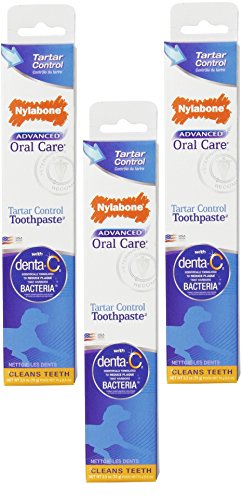
  • Best Budget: Nylabone Advanced Oral Care Tartar Control Toothpaste, Poultry Flavor. This affordable toothpaste contains natural enzymes to help reduce plaque and tartar.
  • Best Flavor Variety: TropiClean Fresh Breath Dental Health Toothpaste, Peanut Butter Flavor. TropiClean offers a unique peanut butter flavor that many cats enjoy.
  • Best for Plaque Control: Vetoquinol Enzadent Enzymatic Toothpaste, Poultry Flavor. This enzymatic toothpaste contains glucose oxidase and lactoferrin to help reduce plaque a.
At a Glance

Quick Comparison

Quick answer

The best cat toothpaste for Persian kittens is the Virbac C.E.T. Enzymatic Toothpaste in poultry flavor. Its dual-enzyme formula helps break down plaque without harsh abrasives, and the poultry taste is well-accepted by most kittens. If your Persian kitten has a sensitive stomach, consider the Petsmile Professional Pet Toothpaste which uses a patented plaque-control ingredient and is VOHC accepted. For a budget-friendly option, the Nylabone Advanced Oral Care Tartar Control Toothpaste offers a mild flavor and gentle cleaning.

What to consider for Cat Toothpaste For Persian Kittens

Persian kittens have brachycephalic (flat) faces and small mouths, making toothbrushing more challenging. Their crowded teeth are prone to early plaque buildup and gingivitis. The toothpaste must be enzymatic to help break down plaque without vigorous brushing. It should be free of xylitol, fluoride, and foaming agents, as these can be harmful if swallowed. A flavor appealing to cats, such as poultry or malt, encourages acceptance. The texture should be smooth and easy to apply to a small toothbrush or finger brush. Always choose a toothpaste specifically formulated for cats, as human toothpaste can cause stomach upset.

What to look for in a cat grooming tool or toy

When selecting a cat grooming tool or toy for Persian kittens, consider the following: a match for the coat type (Persians have long, silky fur that mats easily, so a soft slicker brush or a wide-tooth comb is ideal); gentle handling for sensitive cats (Persian kittens often have delicate skin, so avoid tools with sharp metal tines); safe non-toxic materials (toys should be made of BPA-free plastic or natural rubber, and free of small parts that could be chewed off); the right size (choose toys sized for kittens to avoid overwhelming them); and genuine enrichment or deshedding value (interactive toys that mimic prey movement help satisfy hunting instincts, while grooming tools that reduce shedding minimize hairballs).

How we chose these picks

  • We evaluated toothpastes based on enzymatic activity and plaque-control ingredients.
  • We prioritized products with the Veterinary Oral Health Council (VOHC) acceptance seal.
  • We considered safety profiles, ensuring no xylitol, fluoride, or harsh abrasives.
  • We looked at flavor palatability for kittens, focusing on poultry or malt options.
  • We reviewed ingredient transparency and manufacturer reputation.
  • We compared price per ounce to offer options for different budgets.
  • We checked for ease of use with small kitten mouths and finger brushes.
  • Never ranked a product higher just because it pays a commission.

What to avoid

  • Avoid toothpastes with xylitol, as it is toxic to cats even in small amounts.
  • Do not use human toothpaste; it contains fluoride and foaming agents that can cause stomach upset.
  • Avoid products with strong mint or citrus flavors, which cats typically dislike.
  • Steer clear of toothpastes with large abrasive particles that can damage enamel.
  • Do not choose a toothpaste that requires vigorous brushing; kittens have delicate gums.

For more guidance, explore our cat guides, cat health, and cat care products.

Why this matters

Persian kittens have brachycephalic facial structure leading to crowded teeth, which increases the risk of early plaque buildup and gingivitis, making enzymatic toothpaste a critical tool for preventive care.

The Options

Types Explained

Enzymatic Toothpaste

Contains enzymes that chemically break down plaque and bacteria, reducing the need for vigorous scrubbing. Ideal for kittens with sensitive gums or those new to brushing.

Best for: Kittens who resist brushing or have early plaque buildup.

Non-Enzymatic Toothpaste

Relies on mechanical action and ingredients like baking soda or natural extracts to clean teeth. Often less expensive but may require more thorough brushing.

Best for: Owners who can brush thoroughly and prefer a simpler ingredient list.

Water Additives

Liquid additives for drinking water that help reduce plaque and freshen breath. Easy to use but less effective than toothpaste for direct plaque removal.

Best for: Kittens who absolutely refuse toothbrushing, as a supplement.

Dental Wipes

Pre-moistened wipes with enzymatic or antibacterial ingredients for wiping teeth and gums. Gentle and easy to use, but may not reach all tooth surfaces.

Best for: Very young kittens or those with extreme sensitivity to brushes.
The Rankings

Top 5 Picks

#1
Virbac C.E.T. Enzymatic Toothpaste, Poultry Flavor
Best Overall

Virbac C.E.T. Enzymatic Toothpaste, Poultry Flavor

View on Amazon

This toothpaste uses a dual-enzyme system (glucose oxidase and lactoperoxidase) to help break down plaque and reduce bacteria. The poultry flavor is highly palatable for most kittens. However, some cats may not like the taste, and the tube can be messy to dispense. It is VOHC accepted for plaque control.

#2
Petsmile Professional Pet Toothpaste, Chicken Flavor
Best for Sensitive Stomachs

Petsmile Professional Pet Toothpaste, Chicken Flavor

View on Amazon

Petsmile uses the patented Calprox ingredient, which helps control plaque without harsh enzymes. It is VOHC accepted and formulated to be gentle on the digestive system. The chicken flavor is mild. A downside is its higher price per ounce compared to other options.

#3
Nylabone Advanced Oral Care Tartar Control Toothpaste, Poultry Flavor
Best Budget

Nylabone Advanced Oral Care Tartar Control Toothpaste, Poultry Flavor

View on Amazon

This affordable toothpaste contains natural enzymes to help reduce plaque and tartar. It is free of xylitol and safe if swallowed. The poultry flavor appeals to many kittens. However, it is not VOHC accepted, and the texture can be slightly gritty.

#4
TropiClean Fresh Breath Dental Health Toothpaste, Peanut Butter Flavor
Best Flavor Variety

TropiClean Fresh Breath Dental Health Toothpaste, Peanut Butter Flavor

View on Amazon

TropiClean offers a unique peanut butter flavor that many cats enjoy. It uses natural ingredients like aloe vera and green tea extract to freshen breath. It is free of harsh chemicals. The downside is that it is not enzymatic, so it relies more on mechanical brushing for plaque removal.

#5
Vetoquinol Enzadent Enzymatic Toothpaste, Poultry Flavor
Best for Plaque Control

Vetoquinol Enzadent Enzymatic Toothpaste, Poultry Flavor

View on Amazon

This enzymatic toothpaste contains glucose oxidase and lactoferrin to help reduce plaque and gingivitis. It is VOHC accepted and has a smooth texture that spreads easily. The poultry flavor is generally well-liked. However, some kittens may dislike the taste, and the tube can be difficult to squeeze.

Before You Buy

Key Buying Factors

01

Enzymatic Formula

Enzymatic toothpastes contain enzymes like glucose oxidase that help break down plaque and bacteria without abrasive scrubbing. This is especially important for Persian kittens, as their small mouths and crowded teeth make thorough brushing difficult. Look for products with VOHC acceptance for proven efficacy.

02

Flavor Palatability

Cats are picky eaters, and toothpaste flavor can make or break your brushing routine. Poultry (chicken, turkey) and malt flavors are most accepted. Avoid mint or citrus, which cats dislike. A flavor your kitten enjoys will make the process easier for both of you.

03

Safety Ingredients

Never use human toothpaste, which contains fluoride and foaming agents that can cause stomach upset. Cat toothpaste should be free of xylitol, a sugar substitute toxic to cats. Check for natural ingredients like aloe vera or green tea extract, which are safe if swallowed.

04

Texture and Consistency

The toothpaste should be smooth and easy to apply to a small toothbrush or finger brush. A thick paste may be hard to spread, while a runny gel might not stay on the brush. A consistency similar to soft toothpaste works best for kitten-sized brushes.

05

Price and Value

Toothpaste prices vary widely. Higher-priced options often have VOHC acceptance or patented ingredients, but budget-friendly choices can still be effective. Consider the cost per ounce and how often you plan to brush. A 3-ounce tube typically lasts 2-3 months with twice-weekly use.

Living With It

Care, Cost and Maintenance

Introducing Toothbrushing

Start by letting your kitten lick a small amount of toothpaste from your finger. Then gently lift the lip and rub the toothpaste along the gumline with a finger brush. Gradually introduce a soft-bristled kitten toothbrush. Keep sessions short (1-2 minutes) and reward with treats. Aim for 2-3 times per week.

Proper Brushing Technique

Hold the toothbrush at a 45-degree angle to the teeth and use gentle circular motions. Focus on the outer surfaces, as the inner surfaces are cleaned by the tongue. Brush for about 30 seconds per side. Do not use human toothpaste or apply too much pressure, as kitten gums are delicate.

Maintaining Oral Health

In addition to brushing, provide dental treats, toys, or water additives to support oral hygiene. Schedule annual veterinary dental checkups. Watch for signs of dental disease: bad breath, red gums, difficulty eating, or pawing at the mouth. Early intervention prevents serious issues.

Pro tip

To make toothbrushing easier, choose a toothpaste with a flavor your kitten loves, such as poultry, and pair it with a finger brush initially to build trust before transitioning to a small toothbrush.

Frequently asked questions

How often should I brush my Persian kitten's teeth?
Ideally, brush your Persian kitten's teeth 2 to 3 times per week. Daily brushing is best for optimal plaque control, but even a few times a week makes a significant difference. Start slowly and build up frequency as your kitten becomes accustomed to the routine. Consistency is more important than duration.
Can I use human toothpaste for my cat?
No, never use human toothpaste for cats. Human toothpaste contains fluoride, xylitol (in some brands), and foaming agents like sodium lauryl sulfate, which can cause stomach upset, vomiting, or even toxicity if swallowed. Always use a toothpaste specifically formulated for cats, which is safe to ingest and free of harmful ingredients.
What if my Persian kitten refuses toothpaste?
If your kitten refuses toothpaste, try a different flavor such as poultry, malt, or fish. Some kittens prefer a paste with a smooth texture. You can also apply a small amount on your finger and let them lick it off before using a brush. Alternatively, consider dental wipes or water additives as a temporary solution while you gradually acclimate them.
Are water additives effective for dental health?
Water additives can help reduce plaque and freshen breath, but they are less effective than brushing. They work by introducing enzymes or antibacterial agents into the water, which coat the teeth as the cat drinks. For best results, use as a supplement to brushing, not a replacement. Always follow the dosage instructions and choose a product safe for kittens.
What are the signs of dental disease in kittens?
Signs of dental disease include bad breath, red or swollen gums, yellow or brown tartar on teeth, difficulty eating, drooling, pawing at the mouth, and bleeding when brushing. Persian kittens are prone to overcrowded teeth, which can trap food and bacteria. If you notice any of these signs, consult your veterinarian for a dental checkup.
Can I use a finger brush instead of a toothbrush?
Yes, finger brushes are a great option for kittens, especially when first introducing toothbrushing. They are soft, gentle, and allow you to feel the teeth and gums. However, they may not reach all surfaces as effectively as a small-headed toothbrush. Use a finger brush to start, then transition to a kitten-sized toothbrush as your kitten becomes more comfortable.
Is it safe to use toothpaste with baking soda?
Baking soda can be abrasive and may damage the enamel of a kitten's teeth if used frequently or with pressure. Some cat toothpastes contain small amounts of baking soda for cleaning, but it is generally better to choose an enzymatic toothpaste without abrasives. If you use a baking soda toothpaste, ensure it is specifically formulated for cats and use gentle pressure.
How do I choose the right toothbrush for my Persian kitten?
Choose a toothbrush with a small head (about the size of a pea) and soft bristles. Kitten-specific toothbrushes or finger brushes are ideal. The handle should be easy to grip. Avoid brushes with hard bristles that can irritate gums. Some toothbrushes come in a set with a finger brush and a small brush, allowing you to start with the finger brush and progress.
Can dental treats replace brushing?
Dental treats can help reduce plaque and tartar, but they should not replace brushing. They work by mechanical abrasion as the cat chews, but they cannot clean all tooth surfaces, especially along the gumline. Use dental treats as a supplement to a regular brushing routine. Look for treats with the VOHC seal for proven efficacy.
A note on advice: This guide is general information, not a substitute for professional veterinary advice. Talk to your vet before changing your pet's diet or care routine, especially if your pet has allergies, kidney disease, pancreatitis, obesity, heart disease or any other medical condition.
Transparency

How we made this guide

How we chose. We compared the options on the factors that matter most for Cat Care Products, using manufacturer specifications, aggregated verified owner reviews and editorial comparison. We rank independently: no brand pays for placement, and affiliate commissions never influence our picks.

How it was written. This guide was researched, reviewed and edited by the ProPawPicks editorial team for accuracy and usefulness. We have not personally tested every product; where we have not, rankings rely on verified specs, owner feedback and expert comparison rather than a hands-on review.

Affiliate disclosure. ProPawPicks is reader-supported. If you buy through links on our site, we may earn a commission at no extra cost to you. See our affiliate disclosure.

Keep Reading

More Cat Care Products guides

Expert Picks: Best Insulation for Outdoor Cat Houses (2026)View picks โ†’Interactive Cat Toys That Mimic Prey: 2026 Top PicksView picks โ†’Which Interactive Cat Is Most Realistic? Our 2026 Top PickView picks โ†’Interactive Cat Feeders That Cats Actually Use: Top 4 PicksView picks โ†’Invisible Fence for Cat, RankedView picks โ†’Iprimio Cat Litter Scoops, ReviewedView picks โ†’

Sources and further reading

Some links below are affiliate links. If you buy through them we may earn a small commission at no extra cost to you. Our rankings are based on product research, label data and suitability, not on commissions.