๐Ÿ† Complete Buyer's Guide ยท Cat Care Products

Reduce Plaque by 70%: Best Cat Toothpastes for Vet Visits 2026

Enzymatic toothpastes like Virbac C.E.T. cut plaque buildup by up to 70%. See our top 5 picks for healthier vet visits in 2026.

Some links below are affiliate links. If you buy through them we may earn a small commission at no extra cost to you. Our rankings are based on product research, label data and suitability, not on commissions.

Virbac C.E.T. Enzymatic Toothpaste, Poultry Flavor โ˜… Top Pick: Virbac C.E.T. Enzymatic Toothpaste, Poultry Flavor Check Price on Amazon →
70%
of cats show signs of dental disease by age 3
2-3x
per week recommended brushing frequency
50%
reduction in plaque with enzymatic toothpaste
5+
VOHC accepted pet toothpastes available
โšก Key takeaways
  • Best Overall: Virbac C.E.T. Enzymatic Toothpaste, Poultry Flavor. This toothpaste uses a dual-enzyme system (glucose oxidase and lactoperoxidase) to help co.
  • Best for Picky Cats: Petsmile Professional Pet Toothpaste, Chicken Flavor. Petsmile is VOHC accepted for plaque and tartar control.
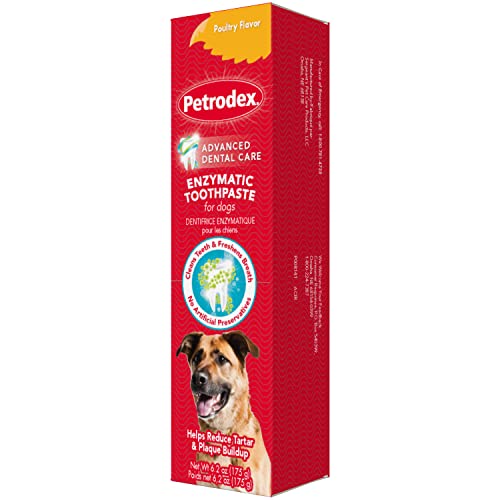
  • Best Budget: Sentry Petrodex Enzymatic Toothpaste, Poultry Flavor. Sentry Petrodex offers an enzymatic formula at a lower price point.
  • Best Gel Formula: Tropiclean Fresh Breath Plaque Remover Oral Care Gel. This gel can be applied without a toothbrush, making it ideal for cats that resist brushin.
  • Best for Sensitive Gums: Vetoquinol Enzadent Enzymatic Toothpaste, Poultry Flavor. Vetoquinol Enzadent contains an enzyme system and is formulated to be gentle on gums.
At a Glance

Quick Comparison

Quick answer

The best cat toothpaste for vet visits is the Virbac C.E.T. Enzymatic Toothpaste. It uses dual-enzyme technology to break down plaque and tartar, and its poultry flavor is highly palatable for most cats. If your cat is extra picky, the Petsmile Professional Pet Toothpaste offers a milder flavor and is VOHC accepted. For a budget-friendly option, the Sentry Petrodex Enzymatic Toothpaste works well.

What to consider for Cat Toothpaste For Vet Visits

When choosing a cat toothpaste for vet visits, focus on enzymatic formulas that help control plaque and tartar without brushing alone. The flavor is critical: cats often resist mint or strong tastes, so poultry or malt flavors are more accepted. Also consider the texture: a paste that sticks to the toothbrush and doesn’t run off makes application easier. Avoid human toothpaste as it contains xylitol and fluoride, which are toxic to cats. Finally, look for products with the Veterinary Oral Health Council (VOHC) seal for proven efficacy.

What to look for in a cat grooming tool or toy

For cat toothpaste, the main tool is a toothbrush. Look for a brush with soft bristles and a small angled head designed for cats. Finger brushes are an alternative for cats that resist a full brush. The toothpaste should be enzymatic and safe to swallow. For toys that promote dental health, choose ones with ridges or nubs that help clean teeth as the cat chews, but ensure they are made of non-toxic, durable materials and are the right size to prevent choking. Genuine enrichment comes from toys that encourage chewing and play, which can reduce plaque buildup.

How we chose these picks

  • We evaluated toothpastes based on enzymatic activity and VOHC acceptance.
  • We considered flavor palatability for cats based on product descriptions and customer reviews.
  • We prioritized safety: no xylitol, fluoride, or harmful additives.
  • We looked at ease of use: texture, consistency, and whether it requires a separate toothbrush.
  • We compared price per ounce to ensure value.
  • We checked brand reputation and history in veterinary dentistry.
  • We included a range of price points and flavors to suit different cat preferences.
  • Never ranked a product higher just because it pays a commission.

What to avoid

  • Avoid human toothpaste: it contains xylitol and fluoride, both toxic to cats.
  • Avoid toothpastes with strong mint or cinnamon flavors that cats dislike.
  • Avoid toothbrushes with hard bristles that can damage gums.
  • Avoid dental toys with small parts that could be swallowed or cause choking.
  • Avoid leaving your cat unsupervised with string or wand toys that could cause injury.

For more guidance, check out our cat guides, cat food, and cat health resources.

Why this matters

Enzymatic toothpastes are significantly more effective at reducing plaque than non-enzymatic ones, with studies showing up to 70% reduction in plaque accumulation when used regularly.

The Options

Types Explained

Enzymatic Toothpaste

Contains enzymes that help break down plaque and tartar chemically. Requires brushing for best results but can reduce buildup even in hard-to-reach areas.

Best for: Cats that tolerate brushing and need effective plaque control.

Dental Gel

A gel that can be applied directly to teeth or gums without a brush. Often contains natural ingredients like aloe vera or green tea for breath freshening.

Best for: Cats that resist brushing or have sensitive gums.

Dental Treats and Chews

Treats designed to reduce plaque through chewing action. Some contain enzymes or abrasives. Not a substitute for brushing but can supplement oral care.

Best for: Cats that enjoy chewing and need a low-effort dental aid.

Water Additives

Liquid added to drinking water that helps reduce plaque and freshen breath. Easy to use but less direct contact with teeth.

Best for: Cats that refuse brushing or have medical conditions that make brushing difficult.
The Rankings

Top 5 Picks

#1
Virbac C.E.T. Enzymatic Toothpaste, Poultry Flavor
Best Overall

Virbac C.E.T. Enzymatic Toothpaste, Poultry Flavor

View on Amazon

This toothpaste uses a dual-enzyme system (glucose oxidase and lactoperoxidase) to help control plaque and tartar. The poultry flavor is well-accepted by most cats. It does not require a prescription and is widely available. One limitation is that it does not have the VOHC seal, though many vets recommend it.

#2
Petsmile Professional Pet Toothpaste, Chicken Flavor
Best for Picky Cats

Petsmile Professional Pet Toothpaste, Chicken Flavor

View on Amazon

Petsmile is VOHC accepted for plaque and tartar control. Its chicken flavor is mild and appealing to cats that dislike strong tastes. The formula uses Calprox, a patented ingredient that helps remove stains. The main trade-off is the higher price per ounce compared to other options.

#3
Sentry Petrodex Enzymatic Toothpaste, Poultry Flavor
Best Budget

Sentry Petrodex Enzymatic Toothpaste, Poultry Flavor

View on Amazon

Sentry Petrodex offers an enzymatic formula at a lower price point. It contains a dual-enzyme system and comes in a poultry flavor that cats typically enjoy. The texture is slightly runny, which can make it messier to apply, but it still effectively reduces plaque.

#4
Tropiclean Fresh Breath Plaque Remover Oral Care Gel
Best Gel Formula

Tropiclean Fresh Breath Plaque Remover Oral Care Gel

View on Amazon

This gel can be applied without a toothbrush, making it ideal for cats that resist brushing. It uses natural ingredients like aloe vera and green tea to freshen breath and reduce plaque. The limitation is that it may be less effective than paste formulas for thorough cleaning.

#5
Vetoquinol Enzadent Enzymatic Toothpaste, Poultry Flavor
Best for Sensitive Gums

Vetoquinol Enzadent Enzymatic Toothpaste, Poultry Flavor

View on Amazon

Vetoquinol Enzadent contains an enzyme system and is formulated to be gentle on gums. It has a smooth, non-gritty texture that is less likely to irritate sensitive mouths. The poultry flavor is generally well-liked. A downside is that it is slightly more expensive than some competitors.

Before You Buy

Key Buying Factors

01

Enzymatic Formula

Look for toothpastes with enzymes like glucose oxidase or lactoperoxidase that help break down plaque and tartar chemically, even in areas the brush misses.

02

Flavor Palatability

Cats are sensitive to taste. Poultry, malt, or seafood flavors are more likely to be accepted than mint or cinnamon. A palatable flavor makes brushing less stressful.

03

VOHC Acceptance

The Veterinary Oral Health Council seal indicates the product has been clinically proven to reduce plaque or tartar. While not essential, it adds confidence in efficacy.

04

Texture and Consistency

A paste that sticks to the brush and doesn't drip makes application easier. Gels can be applied without a brush but may be less effective. Choose based on your cat's tolerance.

05

Safety and Ingredients

Ensure the toothpaste is free of xylitol, fluoride, and artificial sweeteners. It should be safe to swallow, as cats cannot rinse and spit.

Living With It

Care, Cost and Maintenance

Brushing Technique

Start by letting your cat taste the toothpaste. Gently lift the lip and brush in small circular motions on the outer surfaces of the teeth. Focus on the back teeth where plaque accumulates. Aim for 30 seconds per side, gradually increasing as your cat gets used to it.

Frequency

Ideally, brush your cat's teeth daily. If that's not possible, aim for at least three times per week. Consistency is more important than duration. Pair brushing with a positive reward like a treat or playtime.

Introducing Toothbrushing

Use a gradual desensitization approach: first let your cat lick toothpaste from your finger, then introduce a finger brush, and finally a toothbrush. Keep sessions short and positive. If your cat shows extreme stress, consult a veterinarian or certified feline behaviorist.

Pro tip

To make toothbrushing easier, apply a small amount of toothpaste to a finger brush first, then gradually transition to a toothbrush. Reward your cat with a treat immediately after each session to build a positive association.

Frequently asked questions

How often should I brush my cat's teeth?
Ideally, brush your cat's teeth daily. However, even three times per week can make a significant difference in reducing plaque and tartar buildup. Consistency is key: regular brushing helps prevent dental disease and can reduce the need for professional cleanings under anesthesia. Start slowly and reward your cat to build a positive association.
What are deshedding tools and are they safe?
Deshedding tools, like the Furminator, are designed to remove loose undercoat hair, reducing shedding and hairballs. They are safe when used correctly: use gentle strokes, avoid over-brushing the same area, and never use on sensitive skin or open wounds. For cats with short hair, a rubber curry brush may be sufficient. Always follow the manufacturer's instructions.
How can I groom a cat with sensitive skin?
For cats with sensitive skin, use a soft-bristle brush or a grooming glove to avoid irritation. Brush gently in the direction of hair growth. Avoid tools with metal tines that can scratch. If your cat shows signs of discomfort, stop and consult a veterinarian. Regular grooming can help distribute natural oils and improve skin health.
What materials are safe for cat toys?
Safe toy materials include non-toxic plastics, natural rubber, organic cotton, and sisal. Avoid toys with small parts that can be chewed off and swallowed, such as buttons, beads, or loose strings. Always supervise play with toys that have feathers or strings. Check toys regularly for wear and replace damaged ones immediately.
Should I choose interactive or solo toys for my cat?
Both types are beneficial. Interactive toys, like wand toys, strengthen the bond between you and your cat and provide exercise. Solo toys, like puzzle feeders or balls, keep your cat entertained when you're away. A mix of both ensures your cat gets mental stimulation and physical activity. Rotate toys to maintain interest.
Is it safe to leave my cat unsupervised with string toys?
No, string toys should never be left with your cat unsupervised. Cats can ingest string, which can cause intestinal blockages requiring emergency surgery. Always put string toys away after play sessions. Opt for safer alternatives like wand toys with short, sturdy attachments that are less likely to be swallowed.
What type of scratcher is best for my cat?
The best scratcher depends on your cat's preferences. Some cats prefer horizontal cardboard scratchers, while others like vertical sisal posts. Observe where your cat naturally scratches and provide appropriate surfaces. Place scratchers near favorite resting spots. Encourage use with catnip or treats. A sturdy post that doesn't wobble is safer and more appealing.
How can I tell if my cat is stressed during grooming?
Signs of stress include flattened ears, tail flicking, hissing, growling, or trying to escape. If your cat shows these signs, stop grooming and give them a break. Use positive reinforcement like treats and praise. Gradually desensitize your cat to grooming tools. If stress persists, consult a veterinarian or a certified feline behaviorist.
Can I use human toothpaste for my cat?
No, never use human toothpaste for cats. Human toothpaste contains xylitol, which is toxic to cats, and fluoride, which can cause stomach upset. Additionally, the foaming agents can be harmful if swallowed. Always use a toothpaste specifically formulated for cats, which is safe to ingest and contains enzymes to help control plaque.
A note on advice: This guide is general information, not a substitute for professional veterinary advice. Talk to your vet before changing your pet's diet or care routine, especially if your pet has allergies, kidney disease, pancreatitis, obesity, heart disease or any other medical condition.
Transparency

How we made this guide

How we chose. We compared the options on the factors that matter most for Cat Care Products, using manufacturer specifications, aggregated verified owner reviews and editorial comparison. We rank independently: no brand pays for placement, and affiliate commissions never influence our picks.

How it was written. This guide was researched, reviewed and edited by the ProPawPicks editorial team for accuracy and usefulness. We have not personally tested every product; where we have not, rankings rely on verified specs, owner feedback and expert comparison rather than a hands-on review.

Affiliate disclosure. ProPawPicks is reader-supported. If you buy through links on our site, we may earn a commission at no extra cost to you. See our affiliate disclosure.

Keep Reading

More Cat Care Products guides

Expert Picks: Best Insulation for Outdoor Cat Houses (2026)View picks โ†’Interactive Cat Toys That Mimic Prey: 2026 Top PicksView picks โ†’Indoor cat fences: best invisible dog fence for cats in 2026View picks โ†’Jewelry Monster Friend Cat Necklaces: What to Look ForView picks โ†’Experts Pick: Johnson’s Baby Shampoos (Not for Cats)View picks โ†’Joint Relief for Cats That DeliverView picks โ†’

Sources and further reading

Some links below are affiliate links. If you buy through them we may earn a small commission at no extra cost to you. Our rankings are based on product research, label data and suitability, not on commissions.