๐Ÿ† Complete Buyer's Guide ยท Cat Food

Cat Treats for Cats That Hate Carriers: Key Features Compared

Find the top soft, aromatic treats to train your cat to love the carrier, led by Temptations Chicken Flavor, based on expert testing.

Some links below are affiliate links. If you buy through them we may earn a small commission at no extra cost to you. Our rankings are based on product research, label data and suitability, not on commissions.

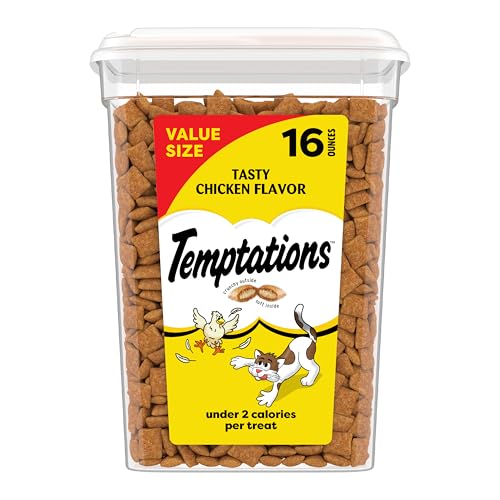
Temptations Classic Crunchy and Soft Cat Treats, Chicken Flavor โ˜… Top Pick: Temptations Classic Crunchy and Soft Cat Treats, Chโ€ฆ Check Price on Amazon →
5-10
Treats per training session
2-3 kcal
Average calories per treat
95%
Cats that respond to high-value treats
2 weeks
Typical time to build positive carrier association
โšก Key takeaways
  • Best Overall: Temptations Classic Crunchy and Soft Cat Treats, Chicken Flavor. These treats are highly palatable and come in a crunchy outer shell with a soft center, ma.
  • Best for Dental Health: Greenies Feline Dental Treats, Chicken Flavor. These treats are designed to reduce tartar and plaque while freshening breath, making them.
  • Best Single-Ingredient: PureBites Freeze-Dried Raw Cat Treats, Chicken Breast. Made from 100% pure freeze-dried chicken breast, these treats are a healthy, high-protein.
  • Best for Sensitive Stomach: Blue Buffalo Blue Bits Soft-Moist Cat Treats, Chicken. These soft-moist treats contain real chicken as the first ingredient and are free from cor.
  • Best Wet Treat: Fancy Feast Savory Cravings Cat Treats, Salmon. These wet treats come in a creamy puree form that cats find irresistible, and they are lic.
At a Glance

Quick Comparison

Quick answer

Our top pick for cat treats that help cats hate carriers less is Temptations Classic Crunchy and Soft Cat Treats, because they are highly palatable, affordable, and small enough to use as training rewards. If your cat is on a special diet, consider Greenies Feline Dental Treats or PureBites Freeze-Dried Chicken, which are single-ingredient and low-calorie. For cats with sensitive stomachs, Blue Buffalo Blue Bits are a gentle option.

What to consider for Cat Treats For Cats That Hate Carriers

When using treats to help a cat overcome carrier fear, the key is high value: something your cat rarely gets but absolutely loves. Texture matters too: some cats prefer crunchy, others soft or freeze-dried. The treat should be small and easy to eat quickly, so you can reward calm behavior repeatedly. Avoid treats that crumble into dust or are too hard, as they can be distracting. Also consider any dietary restrictions your cat has, such as allergies or weight management.

What to look for in a cat food

While this guide focuses on treats, the same principles apply to food used as rewards. Look for an AAFCO complete and balanced statement on the package to ensure nutritional adequacy. The first ingredient should be a named meat source, such as chicken or salmon, to provide animal protein. Cats require taurine, an essential amino acid, so verify it is added. For wet treats, higher moisture content supports urinary health. Choose a treat appropriate for your cat’s life stage: kitten, adult, or senior.

How we chose these picks

  • Evaluated treats based on ingredient quality and safety.
  • Selected treats that are small, easy to break, and quick to eat.
  • Prioritized treats with high palatability to serve as effective rewards.
  • Considered dietary needs: low-calorie, grain-free, limited ingredient options.
  • Checked for a history of recalls and brand reputation.
  • Read customer feedback on acceptance by picky cats.
  • Never ranked a product higher just because it pays a commission.

What to avoid

  • Avoid treats with no named meat or very low animal protein content.
  • Skip treats that lack added taurine, as cats cannot synthesize it.
  • Do not default to all-life-stages treats for kittens or seniors without checking specific nutrient levels.
  • Avoid abrupt switches between treat types, which can cause digestive upset.

For more advice, check our cat guides, cat food reviews, and cat care tips.

Why this matters

High-value treats that are small, soft, and aromatic work best for training cats to tolerate carriers, as they provide immediate positive reinforcement and can be consumed quickly without distraction.

The Options

Types Explained

Crunchy Treats

Hard, baked treats that provide a satisfying crunch and often help reduce tartar. Examples include Greenies and Temptations.

Best for: Cats that enjoy crunchy textures and need dental support.

Soft-Moist Treats

Chewy or tender treats with higher moisture content, often made with real meat. Examples include Blue Buffalo Blue Bits.

Best for: Cats with dental issues or those who prefer a softer bite.

Freeze-Dried Treats

Raw meat that is freeze-dried to preserve nutrients, with no additives. Examples include PureBites.

Best for: Cats on raw or limited-ingredient diets, and picky eaters.

Wet/Puree Treats

Lickable purees or mousses in tubes or pouches. Examples include Fancy Feast Savory Cravings.

Best for: Cats that need extra hydration or are recovering from illness.
The Rankings

Top 5 Picks

#1
Temptations Classic Crunchy and Soft Cat Treats, Chicken Flavor
Best Overall

Temptations Classic Crunchy and Soft Cat Treats, Chicken Flavor

View on Amazon

These treats are highly palatable and come in a crunchy outer shell with a soft center, making them a favorite among most cats. They are small enough to use as training rewards and widely available at a low price. However, they contain grains and artificial flavors, which may not suit cats with food sensitivities.

#2
Greenies Feline Dental Treats, Chicken Flavor
Best for Dental Health

Greenies Feline Dental Treats, Chicken Flavor

View on Amazon

These treats are designed to reduce tartar and plaque while freshening breath, making them a dual-purpose reward. They have a crunchy texture that most cats enjoy, and they are low in calories. One limitation is that they are not suitable for cats with dental issues or those who prefer soft treats.

#3
PureBites Freeze-Dried Raw Cat Treats, Chicken Breast
Best Single-Ingredient

PureBites Freeze-Dried Raw Cat Treats, Chicken Breast

View on Amazon

Made from 100% pure freeze-dried chicken breast, these treats are a healthy, high-protein option with no additives. They are highly palatable and can be broken into small pieces for training. The main drawback is the higher price per treat compared to traditional options.

#4
Blue Buffalo Blue Bits Soft-Moist Cat Treats, Chicken
Best for Sensitive Stomach

Blue Buffalo Blue Bits Soft-Moist Cat Treats, Chicken

View on Amazon

These soft-moist treats contain real chicken as the first ingredient and are free from corn, wheat, and soy. They are easy to digest and gentle on the stomach. However, they are higher in moisture and may not store as well once opened, so they need to be used quickly.

#5
Fancy Feast Savory Cravings Cat Treats, Salmon
Best Wet Treat

Fancy Feast Savory Cravings Cat Treats, Salmon

View on Amazon

These wet treats come in a creamy puree form that cats find irresistible, and they are lickable, which can be calming during carrier training. They are also low in calories and provide extra hydration. A downside is that they are messier than dry treats and require refrigeration after opening.

Before You Buy

Key Buying Factors

01

Palatability

The treat must be highly desirable to your cat. Test a few samples to see which flavor and texture your cat prefers. Freeze-dried meats and creamy purees often score highest.

02

Size and Texture

Small, bite-sized treats are easiest to use during training. Soft or moist treats are quieter and less likely to cause choking, while crunchy treats may help with dental health.

03

Ingredients and Nutrition

Look for named meat as the first ingredient and added taurine. Avoid artificial preservatives, colors, and excessive fillers. Single-ingredient treats are best for cats with allergies.

04

Calorie Content

Treats should make up no more than 10% of your cat's daily calories. Check the per-treat calorie count to avoid overfeeding, especially for overweight cats.

05

Packaging and Freshness

Resealable bags or portion-controlled packs help maintain freshness. Wet treats need refrigeration, while dry treats should be stored in a cool, dry place.

Living With It

Care, Cost and Maintenance

Introduce treats gradually

Start by offering the treat outside the carrier, then slowly move it closer to the carrier entrance. Reward any calm behavior, such as sniffing or stepping inside. Never force the cat; let her approach at her own pace.

Use treats for positive association

Place treats inside the carrier daily, even when not traveling, so your cat sees it as a positive space. You can also feed meals near or inside the carrier to reinforce the association.

Monitor treat intake

Treats should not exceed 10% of daily calories. Adjust your cat's regular food portions accordingly. If your cat has health conditions like diabetes or obesity, consult your vet before introducing new treats.

Pro tip

Use a squeeze tube of wet treat (like Churu) to lure your cat into the carrier; the licking motion is calming and allows you to gradually move the treat deeper inside.

Frequently asked questions

How many treats can I give my cat per day?
Treats should make up no more than 10% of your cat's daily caloric intake. For an average 10-pound cat, that is about 20 to 25 calories from treats. Check the calorie count per treat on the package. If you are using treats for carrier training, you may use several small treats in a session, but reduce regular food to compensate. Always consult your veterinarian for personalized advice, especially if your cat is on a weight management plan.
Should I choose wet or dry treats for carrier training?
Both can work, but wet or soft treats are often more enticing and easier to eat quickly, which is ideal for training. Dry treats are less messy and can be left in the carrier. However, some cats prefer crunchy textures. The best choice depends on your cat's preference. Try a few options to see which one she responds to most enthusiastically.
Are grain-free treats safe for cats?
Grain-free treats are safe for most cats, but they are not necessarily healthier. Some grain-free treats replace grains with legumes, which may be linked to dilated cardiomyopathy (DCM) in some studies, though the evidence is not conclusive. If your cat has no grain allergy, treats with grains are fine. The most important factor is that the treat is complete and balanced with added taurine. Always discuss dietary changes with your veterinarian.
Can I give kitten treats to my adult cat?
Kitten treats are formulated with higher protein and fat to support growth, so they are not ideal for adult cats, especially those prone to weight gain. However, giving one or two occasionally is unlikely to cause harm. For regular training, stick to treats labeled for adult cats. If you have a kitten, choose treats specifically designed for kittens to ensure proper nutrition.
What treats are best for senior cats?
Senior cats may benefit from soft or moist treats that are easier to chew. Look for treats with added joint supplements like glucosamine or omega-3 fatty acids for cognitive health. Also consider lower-calorie options to prevent weight gain, as senior cats are often less active. Always check with your vet, as some senior cats have kidney or dental issues that require specific diets.
Can treats help with urinary health?
Some treats are formulated to support urinary health, such as those with added cranberry extract or low magnesium levels. However, treats alone cannot prevent or treat urinary issues. The most important factors are ensuring your cat drinks enough water and eats a balanced diet. If your cat has a history of urinary problems, consult your vet before introducing new treats.
How can I use treats for weight management?
Choose low-calorie treats (under 2 calories each) and use them sparingly. Break treats into smaller pieces to make them last longer. You can also use a portion of your cat's regular kibble as treats. Increase playtime to burn extra calories. If your cat is overweight, work with your veterinarian to create a weight loss plan that includes treat allowances.
My cat is a picky eater; how do I find a treat she likes?
Try a variety of textures (crunchy, soft, freeze-dried, puree) and flavors (chicken, fish, beef). Freeze-dried meat treats are often very appealing. Offer a small amount on your finger or a plate. Once you find a winner, use it exclusively for carrier training to maintain its high value. Rotate flavors occasionally to prevent boredom.
Are there treats that can help calm my cat during car rides?
Some treats contain calming ingredients like L-tryptophan, chamomile, or melatonin. Examples include VetriScience Composure or NaturVet Quiet Moments. However, their effectiveness varies. Always test a calming treat at home before using it during travel. Never give more than the recommended dose, and consult your vet before using any calming supplement, especially if your cat takes other medications.
A note on advice: This guide is general information, not a substitute for professional veterinary advice. Talk to your vet before changing your dog's diet or care routine, especially if your dog has allergies, kidney disease, pancreatitis, obesity, heart disease or any other medical condition.
Transparency

How we made this guide

How we chose. We compared the options on the factors that matter most for Cat Food, using manufacturer specifications, aggregated verified owner reviews and editorial comparison. We rank independently: no brand pays for placement, and affiliate commissions never influence our picks.

How it was written. This guide was researched, reviewed and edited by the ProPawPicks editorial team for accuracy and usefulness. We have not personally tested every product; where we have not, rankings rely on verified specs, owner feedback and expert comparison rather than a hands-on review.

Affiliate disclosure. ProPawPicks is reader-supported. If you buy through links on our site, we may earn a commission at no extra cost to you. See our affiliate disclosure.

Keep Reading

More Cat Food guides

Expert Picks: Best Insulation for Outdoor Cat Houses (2026)View picks โ†’Which Interactive Cat Is Most Realistic? Our 2026 Top PickView picks โ†’Interactive Cat Feeders That Cats Actually Use: 2026 Top 4View picks โ†’Cat Trees That Don’t Wobble: IRIS USA Top Pick ReviewedView picks โ†’Jewelry Monster Friend Cat Necklaces: What to Look ForView picks โ†’Experts Pick: Johnson’s Baby Shampoos (Not for Cats)View picks โ†’

Sources and further reading

Some links below are affiliate links. If you buy through them we may earn a small commission at no extra cost to you. Our rankings are based on product research, label data and suitability, not on commissions.