๐Ÿ† Complete Buyer's Guide ยท Cat Food

2026’s Best Low-Calorie Cat Treats for Indoor Cats

Indoor cats need low-cal treats to avoid weight gain. We compared 5 options, led by Hill's Science Diet Adult Indoor Cat Treats in Chicken Flavor.

Some links below are affiliate links. If you buy through them we may earn a small commission at no extra cost to you. Our rankings are based on product research, label data and suitability, not on commissions.

Hill's Science Diet Adult Indoor Cat Treats, Chicken Flavor โ˜… Top Pick: Hill's Science Diet Adult Indoor Cat Treats, Chickeโ€ฆ Check Price on Amazon →
5-10
Calories per treat (average)
30-40%
Crude protein content
2-3
Treats per 10 lbs of body weight daily
1-2
Treats per day for weight maintenance
โšก Key takeaways
  • Best Overall: Hill's Science Diet Adult Indoor Cat Treats, Chicken Flavor. These treats are specifically formulated for indoor cats, with controlled calories and nat.
  • Best Soft Treats: Blue Buffalo Wilderness Soft-Moist Cat Treats, Chicken. Made with real chicken as the first ingredient, these soft-moist treats are high in protei.
  • Best Budget: Purina Friskies Party Mix Natural Yums Crunchy Cat Treats, Chicken. An affordable option that still provides a crunchy texture to help clean teeth.
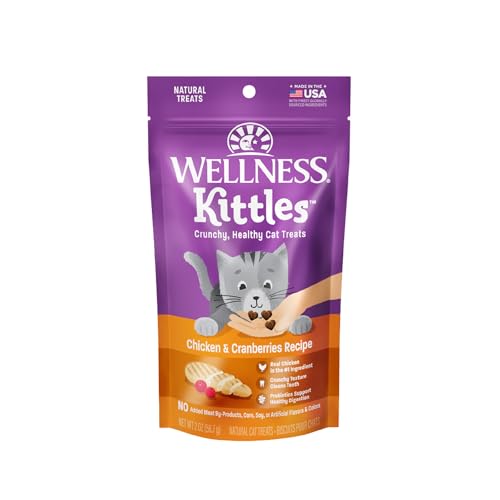
  • Best Grain-Free: Wellness Kittles Crunchy Natural Grain-Free Cat Treats, Chicken. These grain-free treats are made with chicken and chickpeas, offering a crunchy texture wi.
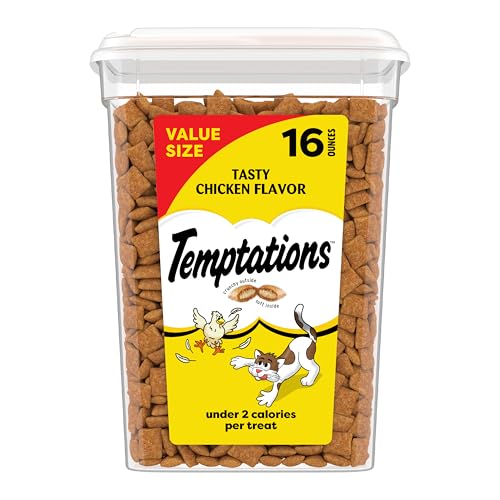
  • Best for Picky Eaters: Temptations Classic Crunchy and Soft Cat Treats, Chicken. The dual texture (crunchy outside, soft inside) is highly appealing to most cats, making t.
At a Glance

Quick Comparison

Quick answer

The best overall cat treat for indoor cats is Hill’s Science Diet Adult Indoor Cat Treats, formulated with controlled calories and natural fiber to support healthy weight and digestion. For a budget-friendly option, Purina Friskies Party Mix Natural Yums offers a crunchy texture that helps reduce plaque. If your cat prefers soft treats, Blue Buffalo Wilderness Soft-Moist Treats provide high protein and no artificial flavors.

What to consider for Cat Treats For Indoor Cats

Indoor cats are prone to obesity, dental disease, and urinary issues due to lower activity levels and less stimulation. Treats for indoor cats should be low in calories to prevent weight gain, contain ingredients that support dental health (like crunchy textures or DentaLife enzymes), and include moisture or urinary-supporting nutrients such as cranberry extract. Fiber from sources like psyllium or beet pulp can help with hairball control. Always check that treats are appropriate for your cat’s life stage and health status.

What to look for in a cat food

When selecting cat treats, look for products that are AAFCO complete and balanced for the appropriate life stage (adult, kitten, senior). The first ingredient should be a named meat or meat meal, ensuring adequate animal protein. Taurine is an essential amino acid for cats; it must be present in the guaranteed analysis. For indoor cats, lower fat content and added fiber can help maintain a healthy weight. Moisture content is less critical for treats, but soft treats can be beneficial for cats with dental issues. Avoid treats with artificial colors, flavors, or excessive carbohydrates.

How we chose these picks

  • Evaluated ingredient lists for named protein sources and absence of artificial additives
  • Checked calorie density to ensure treats are suitable for weight management
  • Reviewed customer feedback for palatability and digestive tolerance
  • Considered brand reputation and adherence to AAFCO standards
  • Prioritized treats with added benefits like dental health or hairball control
  • Selected a range of textures (crunchy, soft, freeze-dried) to suit different preferences
  • Included options at various price points for budget-conscious owners
  • Never ranked a product higher just because it pays a commission

What to avoid

  • Avoid treats with unnamed meat by-products or vague protein sources like “meat meal”
  • Steer clear of treats with high carbohydrate content (e.g., corn, wheat, soy) that can contribute to obesity
  • Do not choose treats lacking taurine supplementation, as cats cannot synthesize it
  • Avoid treats with artificial preservatives like BHA, BHT, or ethoxyquin
  • Do not abruptly switch treat brands; introduce new treats gradually to prevent digestive upset

For more guidance, explore our cat guides, cat food reviews, and cat health tips.

Why this matters

Indoor cats have lower energy needs, so treats with 2-3 calories each are ideal to prevent obesity while still providing enrichment.

The Options

Types Explained

Crunchy Treats

Hard, baked treats that provide a satisfying crunch and help clean teeth. Examples include Hill's Science Diet and Temptations.

Best for: Cats with healthy teeth and owners looking for dental benefits.

Soft-Moist Treats

Chewy, moist treats that are easy to eat. Often made with real meat as the first ingredient. Examples include Blue Buffalo Wilderness Soft-Moist.

Best for: Senior cats, cats with dental issues, or those who prefer a softer texture.

Freeze-Dried Treats

Raw meat or fish that is freeze-dried to preserve nutrients. Single-ingredient options are common. Examples include PureBites freeze-dried chicken.

Best for: Owners seeking a high-protein, minimally processed treat.

Dental Treats

Specially shaped and textured treats designed to reduce plaque and tartar. Often approved by the Veterinary Oral Health Council (VOHC). Examples include Greenies Feline Dental Treats.

Best for: Cats prone to dental issues or for maintenance of oral health.
The Rankings

Top 5 Picks

#1
Hill's Science Diet Adult Indoor Cat Treats, Chicken Flavor
Best Overall

Hill's Science Diet Adult Indoor Cat Treats, Chicken Flavor

View on Amazon

These treats are specifically formulated for indoor cats, with controlled calories and natural fiber to support healthy weight and digestion. The crunchy texture helps reduce plaque buildup. However, they contain chicken by-product meal, which may not appeal to owners seeking a single protein source.

#2
Blue Buffalo Wilderness Soft-Moist Cat Treats, Chicken
Best Soft Treats

Blue Buffalo Wilderness Soft-Moist Cat Treats, Chicken

View on Amazon

Made with real chicken as the first ingredient, these soft-moist treats are high in protein and free from artificial flavors and preservatives. They are ideal for cats with dental sensitivities or older cats. One limitation is that they are higher in calories per treat, so portion control is important for weight management.

#3
Purina Friskies Party Mix Natural Yums Crunchy Cat Treats, Chicken
Best Budget

Purina Friskies Party Mix Natural Yums Crunchy Cat Treats, Chicken

View on Amazon

An affordable option that still provides a crunchy texture to help clean teeth. These treats are made with natural ingredients and no artificial colors. However, they contain corn and wheat, which may not be ideal for cats with grain sensitivities or those on a low-carb diet.

#4
Wellness Kittles Crunchy Natural Grain-Free Cat Treats, Chicken
Best Grain-Free

Wellness Kittles Crunchy Natural Grain-Free Cat Treats, Chicken

View on Amazon

These grain-free treats are made with chicken and chickpeas, offering a crunchy texture without grains. They are low in calories and contain no artificial additives. A potential downside is that some cats may find the texture too hard, and the small size may lead to overfeeding if not monitored.

#5
Temptations Classic Crunchy and Soft Cat Treats, Chicken
Best for Picky Eaters

Temptations Classic Crunchy and Soft Cat Treats, Chicken

View on Amazon

The dual texture (crunchy outside, soft inside) is highly appealing to most cats, making them a reliable choice for picky eaters. They are also fortified with taurine. However, they contain by-products and artificial flavors, which may not suit owners seeking a more natural treat.

Before You Buy

Key Buying Factors

01

Calorie Density

Indoor cats are less active, so treats should be low in calories to prevent obesity. Look for treats with 2-5 calories each, and adjust daily food intake accordingly.

02

Texture and Dental Benefits

Crunchy treats can help reduce plaque and tartar buildup. Some treats are specifically designed with a texture that scrubs teeth. Soft treats are better for cats with dental issues.

03

Protein Source

Cats are obligate carnivores, so the first ingredient should be a named meat (chicken, fish, etc.). Avoid treats with meat by-products or unnamed protein sources.

04

Added Nutrients

Look for treats with added taurine, omega-3 fatty acids, or fiber for hairball control. Some treats include cranberry extract for urinary health.

05

Life Stage Appropriateness

Choose treats formulated for your cat's life stage (kitten, adult, senior). Senior cats may benefit from softer treats or those with joint-supporting ingredients.

Living With It

Care, Cost and Maintenance

Portion Control

Treats should make up no more than 10% of your cat's daily calorie intake. For a 10-pound indoor cat, that's about 20-30 calories from treats, or roughly 5-10 small treats per day. Adjust main meals to avoid weight gain.

Introducing New Treats

When switching treat brands or flavors, introduce them gradually over 5-7 days. Start with one treat per day and monitor for any digestive upset or allergic reactions (vomiting, diarrhea, itching).

Storage and Freshness

Store treats in a cool, dry place in their original packaging or an airtight container. Check expiration dates and discard any treats that smell rancid or show signs of mold. Soft treats have a shorter shelf life once opened.

Pro tip

Use treat-dispensing puzzle toys to combine mental stimulation with treat rewards, helping your indoor cat stay active and engaged.

Frequently asked questions

How many treats can I give my indoor cat per day?
Treats should not exceed 10% of your cat's daily caloric intake. For an average 10-pound indoor cat, that's about 20 to 30 calories from treats. Depending on the treat's calorie content (usually 2 to 5 calories each), you can give 5 to 10 treats per day. Always adjust the main meal portion to prevent weight gain. Consult your veterinarian for a personalized recommendation based on your cat's age, weight, and activity level.
Are wet treats better than dry treats for indoor cats?
Wet treats (soft-moist or puree) have higher moisture content, which can help increase your cat's water intake and support urinary health. Dry treats are more convenient and often provide dental benefits through crunching. The choice depends on your cat's needs: if your cat doesn't drink enough water, wet treats may be beneficial. However, both types can be part of a balanced diet as long as they are low in calories and made with quality ingredients.
Should I choose grain-free treats for my indoor cat?
Grain-free treats are not necessary for all cats. Some cats have grain allergies or sensitivities, but most cats digest grains fine. Grain-free treats often replace grains with legumes like peas or chickpeas, which can be higher in carbohydrates. For indoor cats prone to obesity, a low-carb treat may be beneficial. However, ensure the treat still meets AAFCO standards and contains taurine. Consult your vet before switching to a grain-free diet.
Can I give kitten treats to my adult indoor cat?
Kitten treats are formulated for growth and are higher in calories, protein, and certain nutrients like DHA. Giving them to an adult indoor cat can lead to weight gain and nutritional imbalance. It's best to choose treats specifically formulated for adult cats. If you have a kitten, opt for treats designed for kittens to support their development. Always check the label for life stage recommendations.
What treats are best for senior indoor cats?
Senior cats often have dental issues, so soft-moist or freeze-dried treats that are easy to chew are ideal. Look for treats with added joint-supporting ingredients like glucosamine or omega-3 fatty acids. Lower calorie treats help manage weight as metabolism slows. Avoid treats with high phosphorus if your cat has kidney issues. Always consult your veterinarian for recommendations tailored to your senior cat's health conditions.
Can treats help with my cat's urinary health?
Some treats are formulated with ingredients like cranberry extract, D-mannose, or low magnesium to support urinary health. However, treats alone cannot prevent or treat urinary issues. The most important factors are adequate water intake and a balanced diet that maintains proper urine pH. If your cat has a history of urinary problems, consult your vet before using any urinary-support treats.
How can I use treats for weight management in my indoor cat?
Choose low-calorie treats (under 3 calories each) and limit the number per day. Use treats for training or as a reward, not as a meal replacement. Consider using a portion of your cat's regular kibble as treats. Interactive treat puzzles can also provide mental stimulation while controlling portions. Weigh your cat regularly and adjust treat intake if weight gain occurs.
My cat is a picky eater. How do I find treats she'll like?
Experiment with different textures (crunchy, soft, freeze-dried) and flavors (chicken, fish, liver). Start with small samples. Cats often prefer strong-smelling treats like fish or liver. Some brands offer variety packs. If your cat refuses a treat, try warming it slightly to enhance aroma. Avoid switching too frequently, as some cats become overwhelmed. Patience is key.
Are there any treats that help with hairballs?
Yes, some treats contain added fiber (like psyllium or beet pulp) or lubricants (like petroleum jelly) to help hairballs pass through the digestive system. Examples include hairball control treats from brands like Hill's or Greenies. However, these treats should be used as part of a comprehensive hairball management plan that includes regular brushing and a high-fiber diet. Consult your vet if hairballs are frequent.
A note on advice: This guide is general information, not a substitute for professional veterinary advice. Talk to your vet before changing your dog's diet or care routine, especially if your dog has allergies, kidney disease, pancreatitis, obesity, heart disease or any other medical condition.
Transparency

How we made this guide

How we chose. We compared the options on the factors that matter most for Cat Food, using manufacturer specifications, aggregated verified owner reviews and editorial comparison. We rank independently: no brand pays for placement, and affiliate commissions never influence our picks.

How it was written. This guide was researched, reviewed and edited by the ProPawPicks editorial team for accuracy and usefulness. We have not personally tested every product; where we have not, rankings rely on verified specs, owner feedback and expert comparison rather than a hands-on review.

Affiliate disclosure. ProPawPicks is reader-supported. If you buy through links on our site, we may earn a commission at no extra cost to you. See our affiliate disclosure.

Keep Reading

More Cat Food guides

Interactive Cat Toys That Mimic Prey: 2026 Top PicksView picks โ†’Cat Trees That Don’t Wobble: IRIS USA Top Pick ReviewedView picks โ†’Cat Deterrent Mats That Actually Work: 5 ReviewedView picks โ†’Best Kh Manufacturing Cat Trees 2026: 5 Sturdy Picks for Large HomesView picks โ†’Best Kibble Cat Food 2026: 5 Top Picks ComparedView picks โ†’Expert Picks: Best Kidney Supplements for Cats in 2026View picks โ†’

Sources and further reading

Some links below are affiliate links. If you buy through them we may earn a small commission at no extra cost to you. Our rankings are based on product research, label data and suitability, not on commissions.