๐Ÿ† Complete Buyer's Guide ยท Cat Food

Cat Treats for Kittens, Reviewed

Kittens need nutrient-dense treats limited to 10% of daily calories. We compared top options like Purina Pro Plan with real chicken to help you choose.

Some links below are affiliate links. If you buy through them we may earn a small commission at no extra cost to you. Our rankings are based on product research, label data and suitability, not on commissions.

Purina Pro Plan Kitten Treats with Real Chicken โ˜… Top Pick: Purina Pro Plan Kitten Treats with Real Chicken Check Price on Amazon →
2-3 treats/day
Recommended Daily Limit
30-40%
Minimum Protein (Dry Matter)
0.1%
Minimum Taurine (Dry Matter)
8-12 weeks
Age to Start Treats
โšก Key takeaways
  • Best Overall: Purina Pro Plan Kitten Treats with Real Chicken. These soft, meaty treats are made with real chicken as the first ingredient and contain DH.
  • Best for Sensitive Stomach: Blue Buffalo Wilderness Kitten Treats Chicken Recipe. These grain-free, limited-ingredient treats feature deboned chicken and are free from corn.
  • Best Freeze-Dried Raw: Instinct Raw Boost Kitten Treats Freeze-Dried Raw Chicken. Made from a single source of raw chicken, these treats are high in protein and minimally p.
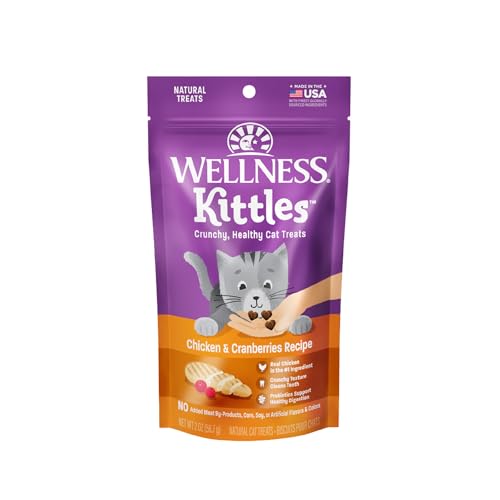
  • Best Crunchy Treat: Wellness Kittles Crunchy Natural Grain-Free Cat Treats Chicken & Salmon. These crunchy, grain-free treats are fortified with taurine and DHA, and come in a small s.
  • Best Wet Treat: Royal Canin Feline Health Thin Slices in Gravy Kitten Loaf. This wet food can be used as a treat or topper, offering high moisture and a texture kitte.
At a Glance

Quick Comparison

Quick answer

The best cat treat for kittens overall is the Purina Pro Plan Kitten Treats because they are made with real chicken, contain DHA for brain development, and have a soft texture gentle on tiny teeth. For kittens with sensitive stomachs, Blue Buffalo Wilderness Kitten Treats offer a limited-ingredient, grain-free option. If you prefer freeze-dried raw treats, Instinct Raw Boost Kitten Treats provide high-protein, single-source nutrition.

What to consider for Cat Treats For Kittens

Kittens have unique nutritional needs: high protein for growth, appropriate calcium-to-phosphorus ratios for bone development, and small, soft treats to avoid choking. Treats should complement a complete and balanced kitten diet, not exceed 10% of daily calories. Look for treats that list a named meat as the first ingredient and avoid artificial colors, flavors, or preservatives. Also consider texture: crunchy treats can help with teething, while soft treats are easier for very young kittens.

What to look for in a cat food

When choosing any cat food or treat, ensure it carries an AAFCO statement confirming it is complete and balanced for the appropriate life stage (e.g., growth or all life stages). The first ingredient should be a named animal protein like chicken, turkey, or fish. Adequate animal protein (typically 30-40% dry matter for kittens) and taurine (an essential amino acid for cats) are non-negotiable. For wet food, higher moisture content supports urinary health. Always select a product formulated for kittens or all life stages, and avoid adult-only formulas for growing kittens.

How we chose these picks

  • Evaluated ingredient lists for named meat as first ingredient and absence of artificial additives.
  • Checked each product’s AAFCO nutritional adequacy statement for the growth life stage.
  • Reviewed guaranteed analysis to ensure high protein and appropriate fat levels for kittens.
  • Considered treat size and texture to minimize choking risk for small mouths.
  • Prioritized brands with a history of rigorous quality control and transparent sourcing.
  • Cross-referenced customer feedback on palatability and digestive tolerance.
  • Consulted veterinary nutrition guidelines for safe treat frequency and calorie limits.
  • Never ranked a product higher just because it pays a commission.

What to avoid

  • Treats with no named meat or vague protein sources like “meat meal” or “poultry by-product”.
  • Recipes that lack added taurine or have insufficient animal protein (below 30% dry matter).
  • Defaulting to all-life-stages treats without checking if they meet kitten-specific calcium and phosphorus ratios.
  • Abruptly switching treat brands; introduce new treats gradually over 5 to 7 days.
  • Treats with high carbohydrate content or sugar, which can contribute to obesity and dental issues.

For more guidance, browse our cat guides, cat food reviews, and cat health articles.

Why this matters

Kittens have higher protein and energy requirements than adult cats, so treats should be nutrient-dense but limited to 10% of daily calories to avoid displacing essential nutrients from their main diet.

The Options

Types Explained

Soft Chewy Treats

Moist, tender treats that are easy for kittens to chew and digest. Often made with real meat or poultry as the first ingredient.

Best for: Very young kittens (8-12 weeks) or those with dental sensitivity.

Crunchy Treats

Hard, baked treats that provide a satisfying crunch. Can help reduce plaque buildup and entertain teething kittens.

Best for: Kittens over 12 weeks who enjoy chewing and need dental support.

Freeze-Dried Raw Treats

Minimally processed, single-ingredient treats made from raw meat or organs. Retain natural nutrients and flavor.

Best for: Owners seeking a high-protein, grain-free option; requires careful storage.

Wet Food Toppers

Canned or pouch wet food that can be used as a treat or mixed with dry food. High moisture content supports hydration.

Best for: Kittens who need extra moisture or are picky eaters; not shelf-stable after opening.
The Rankings

Top 5 Picks

#1
Purina Pro Plan Kitten Treats with Real Chicken
Best Overall

Purina Pro Plan Kitten Treats with Real Chicken

View on Amazon

These soft, meaty treats are made with real chicken as the first ingredient and contain DHA for healthy brain and vision development. They are small and easy for kittens to chew. However, they do contain grains, which may not suit kittens with grain sensitivities.

#2
Blue Buffalo Wilderness Kitten Treats Chicken Recipe
Best for Sensitive Stomach

Blue Buffalo Wilderness Kitten Treats Chicken Recipe

View on Amazon

These grain-free, limited-ingredient treats feature deboned chicken and are free from corn, wheat, soy, and artificial additives. They are gentle on delicate digestive systems. A downside is that they are slightly harder, which may be challenging for very young kittens.

#3
Instinct Raw Boost Kitten Treats Freeze-Dried Raw Chicken
Best Freeze-Dried Raw

Instinct Raw Boost Kitten Treats Freeze-Dried Raw Chicken

View on Amazon

Made from a single source of raw chicken, these treats are high in protein and minimally processed. They support natural chewing instincts. However, they are crumbly and can be messy, and the raw nature requires careful storage to prevent spoilage.

#4
Wellness Kittles Crunchy Natural Grain-Free Cat Treats Chicken & Salmon
Best Crunchy Treat

Wellness Kittles Crunchy Natural Grain-Free Cat Treats Chicken & Salmon

View on Amazon

These crunchy, grain-free treats are fortified with taurine and DHA, and come in a small size perfect for kittens. They help clean teeth during chewing. One limitation is that they are dry and may not appeal to kittens who prefer soft textures.

#5
Royal Canin Feline Health Thin Slices in Gravy Kitten Loaf
Best Wet Treat

Royal Canin Feline Health Thin Slices in Gravy Kitten Loaf

View on Amazon

This wet food can be used as a treat or topper, offering high moisture and a texture kittens love. It is formulated with balanced nutrients for growth. However, it is not a traditional treat and may spoil quickly once opened, requiring refrigeration.

Before You Buy

Key Buying Factors

01

Ingredient Quality

Look for a named meat (chicken, turkey, fish) as the first ingredient. Avoid vague terms like "meat meal" or "animal digest." Treats should be free from artificial colors, flavors, and preservatives.

02

Nutritional Balance

Treats should complement a complete diet. Check that they contain taurine and are appropriate for kittens. Avoid treats with excessive carbohydrates or sugar, which can lead to obesity.

03

Texture and Size

Kittens have small mouths and developing teeth. Soft, small treats are safer and easier to eat. Crunchy treats can aid teething but should be appropriately sized to prevent choking.

04

Calorie Content

Treats should not exceed 10% of a kitten's daily caloric intake. Check the calorie per treat and adjust feeding accordingly. Overfeeding treats can disrupt the balance of their main diet.

05

Brand Reputation

Choose brands with a history of rigorous quality control, transparent sourcing, and adherence to AAFCO standards. Brands like Purina, Blue Buffalo, and Royal Canin are well-regarded.

Living With It

Care, Cost and Maintenance

Introducing Treats

Start with one treat per day to gauge tolerance. Break larger treats into smaller pieces. Monitor for any signs of digestive upset, such as vomiting or diarrhea. If issues occur, discontinue and consult your veterinarian.

Storing Treats Properly

Store treats in a cool, dry place. Freeze-dried raw treats should be kept in an airtight container in the refrigerator or freezer. Discard any treats that show signs of mold or spoilage.

Treats and Training

Use treats as positive reinforcement during litter box training or basic commands. Keep sessions short (5-10 minutes) to avoid overfeeding. Always pair treats with praise to build a strong bond.

Pro tip

Use treats to gently handle your kitten's paws and ears during treat time; this builds positive associations for future grooming and vet visits.

Frequently asked questions

How many treats can I give my kitten per day?
Treats should make up no more than 10% of your kitten's daily caloric intake. For an average 2-pound kitten, that is roughly 2 to 3 small treats per day. Adjust based on the specific treat's calorie content. Overfeeding treats can lead to nutritional imbalances and obesity. Always consult your veterinarian for personalized advice.
Is wet or dry food better for kittens?
Both have benefits. Wet food provides higher moisture, which supports urinary health and hydration, and is often more palatable. Dry food is convenient, helps with dental health through crunching, and is calorie-dense. Many owners feed a combination. For kittens, a complete and balanced wet or dry food that meets AAFCO growth standards is appropriate. Always provide fresh water.
Are grain-free treats safe for kittens?
Grain-free treats can be safe, but they are not necessary for most kittens. Some kittens may have grain allergies, but this is uncommon. Grain-free diets have been linked to dilated cardiomyopathy (DCM) in dogs, but the link in cats is less clear. If you choose grain-free, ensure the treat still meets AAFCO standards and contains taurine. Consult your vet before making dietary changes.
When can I start giving treats to my kitten?
Kittens can start having treats around 8 to 12 weeks of age, once they are fully weaned and eating solid food consistently. Choose soft, small treats to prevent choking. Introduce one treat at a time and monitor for any adverse reactions. Always prioritize a complete and balanced kitten food as the main diet.
Can senior cats eat kitten treats?
Senior cats can eat kitten treats occasionally, but they are not ideal. Kitten treats are higher in calories, protein, and fat to support growth, which may contribute to weight gain in less active senior cats. They also have different calcium-to-phosphorus ratios. It is better to choose treats formulated for adult or senior cats to match their nutritional needs.
How can treats help with urinary health?
Some treats are formulated with ingredients like cranberry extract or low magnesium to support urinary tract health. However, the most important factor is overall hydration. Wet treats or toppers can increase water intake. If your cat has a history of urinary issues, consult your veterinarian before using any urinary health treats, as they are not a substitute for medical treatment.
What treats are best for weight management in kittens?
For kittens, weight management is usually not a concern unless they are overfed. If your kitten is gaining too much weight, choose low-calorie treats (under 2 calories each) and limit to 1-2 per day. Freeze-dried meat treats are often lower in carbs. Avoid treats with added sugars or fats. Always ensure the main diet is portion-controlled and appropriate for growth.
My kitten is a picky eater. How can treats help?
Treats can encourage a picky kitten to eat their main food by using them as a topper or mixing crushed treats into their meal. Choose highly palatable treats like freeze-dried chicken or wet food toppers. However, avoid creating a habit where the kitten refuses food without treats. Gradually reduce treat toppers once the kitten is eating consistently.
Are treats necessary for a kitten's diet?
No, treats are not nutritionally necessary. A complete and balanced kitten food provides all required nutrients. Treats are primarily for bonding, training, and enrichment. If you choose to give treats, ensure they are safe and appropriate for kittens. Always prioritize the main diet and consult your veterinarian for guidance on treat selection and frequency.
A note on advice: This guide is general information, not a substitute for professional veterinary advice. Talk to your vet before changing your dog's diet or care routine, especially if your dog has allergies, kidney disease, pancreatitis, obesity, heart disease or any other medical condition.
Transparency

How we made this guide

How we chose. We compared the options on the factors that matter most for Cat Food, using manufacturer specifications, aggregated verified owner reviews and editorial comparison. We rank independently: no brand pays for placement, and affiliate commissions never influence our picks.

How it was written. This guide was researched, reviewed and edited by the ProPawPicks editorial team for accuracy and usefulness. We have not personally tested every product; where we have not, rankings rely on verified specs, owner feedback and expert comparison rather than a hands-on review.

Affiliate disclosure. ProPawPicks is reader-supported. If you buy through links on our site, we may earn a commission at no extra cost to you. See our affiliate disclosure.

Keep Reading

More Cat Food guides

Expert Picks: Best Insulation for Outdoor Cat Houses (2026)View picks โ†’Interactive Cat Toys That Mimic Prey: 2026 Top PicksView picks โ†’Cat Trees That Don’t Wobble: IRIS USA Top Pick ReviewedView picks โ†’Jewelry Monster Friend Cat Necklaces: What to Look ForView picks โ†’Joint Relief for Cats That DeliverView picks โ†’Joint Supplements for Cats: A Buyer’s GuideView picks โ†’

Sources and further reading

Some links below are affiliate links. If you buy through them we may earn a small commission at no extra cost to you. Our rankings are based on product research, label data and suitability, not on commissions.