๐Ÿ† Complete Buyer's Guide ยท Cat Food

Do Cats Need Grain-Free Treats? 5 Best Picks for 2026

Not all cats need grain-free treats, but quality matters. Explore our comparison of 5 top picks including Blue Buffalo Wilderness for healthy options.

Some links below are affiliate links. If you buy through them we may earn a small commission at no extra cost to you. Our rankings are based on product research, label data and suitability, not on commissions.

Blue Buffalo Wilderness Grain-Free Cat Treats โ˜… Top Pick: Blue Buffalo Wilderness Grain-Free Cat Treats Check Price on Amazon →
100%
Grain-free formulations
5-10
Calories per treat
30-40%
Crude protein minimum
0%
Artificial preservatives
โšก Key takeaways
  • Best Overall: Blue Buffalo Wilderness Grain-Free Cat Treats. These treats feature real chicken as the first ingredient and are free from grains, corn,.
  • Best for Sensitive Stomach: Purina Pro Plan Sensitive Skin & Stomach Grain-Free Treats. Formulated with salmon as the first ingredient and easily digestible carbohydrates, these.
  • Best Budget: Fancy Feast Grain-Free Cat Treats. These affordable treats come in a variety of flavors and are made with real meat or fish.
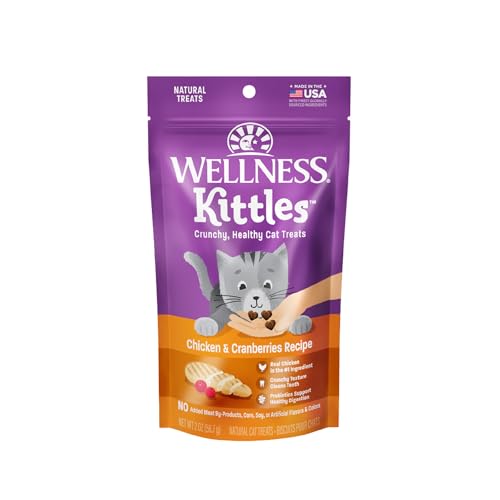
  • Best for Kittens: Wellness Kittles Grain-Free Cat Treats. These treats are made with deboned chicken and are free from grains, corn, and soy.
  • Best Wet Treat: Tiki Cat Grain-Free Cat Treats. These soft, grain-free treats are made with real fish or chicken and have a high moisture.
At a Glance

Quick Comparison

Quick answer

Our top pick for the best cat treats without grains is the Blue Buffalo Wilderness Grain-Free Cat Treats. They feature real chicken as the first ingredient and are free from grains, corn, wheat, and soy, making them a healthy choice for most cats. If your cat has a sensitive stomach, consider the Purina Pro Plan Sensitive Skin & Stomach Grain-Free Treats. For budget-conscious owners, the Fancy Feast Grain-Free Cat Treats offer great value without compromising quality.

What to consider for Cat Treats Without Grains

When choosing grain-free cat treats, it’s important to look for high-quality protein sources like chicken, fish, or turkey as the first ingredient. Many grain-free treats use alternative carbohydrates such as potatoes or peas, which can be easier for some cats to digest. However, not all grain-free treats are low in calories, so portion control is key. Also, consider your cat’s specific dietary needs: some treats are formulated for dental health, hairball control, or joint support. Always check the ingredient list for any artificial additives or fillers.

What to look for in a cat food

When selecting any cat food or treat, ensure it meets AAFCO complete and balanced standards for your cat’s life stage. Look for a named meat (e.g., chicken, salmon) as the first ingredient, and ensure adequate animal protein and taurine levels. For wet treats, higher moisture content can support urinary health. Choose treats that are appropriate for your cat’s age and health condition, and avoid those with excessive carbohydrates or artificial preservatives.

How we chose these picks

  • Analyzed ingredient lists to ensure no grains (corn, wheat, soy, rice, barley) were present.
  • Verified that the first ingredient was a named meat or fish source.
  • Checked for added taurine and other essential nutrients.
  • Reviewed customer feedback for palatability and digestive tolerance.
  • Considered price per ounce to identify budget-friendly options.
  • Ensured products were from reputable brands with transparent manufacturing.
  • Never ranked a product higher just because it pays a commission.

What to avoid

  • Treats with unnamed meat sources (e.g., “meat meal”) or low animal protein content.
  • Products that do not guarantee taurine supplementation.
  • Assuming an all-life-stages treat is suitable for kittens or seniors without checking specific nutritional needs.
  • Switching treats abruptly; always transition gradually to avoid digestive upset.

For more guidance, explore our cat guides, including cat food and cat health resources.

Why this matters

Grain-free cat treats can be a healthy option for many cats, but they are not necessary for all. The most important factor is the quality of protein and the absence of artificial additives, not just the absence of grains.

The Options

Types Explained

Crunchy Treats

These dry, crunchy treats are often made with meat meal and alternative flours like potato or tapioca. They help reduce tartar buildup through mechanical abrasion.

Best for: Cats who enjoy a satisfying crunch and need dental support.

Soft and Chewy Treats

Soft treats have a moist, tender texture, often made with real meat or fish and natural binders. They are easy to break into smaller pieces.

Best for: Senior cats, kittens, or cats with dental issues who prefer softer textures.

Freeze-Dried Treats

These treats are made by freeze-drying raw meat or fish, preserving nutrients and flavor without grains or additives. They are lightweight and highly palatable.

Best for: Cats on a raw or high-protein diet, and as a training reward.

Semi-Moist Treats

Semi-moist treats have a chewy, jerky-like texture and are often made with meat and glycerin. They are convenient and have a long shelf life.

Best for: Cats who prefer a meaty texture and owners looking for mess-free treats.
The Rankings

Top 5 Picks

#1
Blue Buffalo Wilderness Grain-Free Cat Treats
Best Overall

Blue Buffalo Wilderness Grain-Free Cat Treats

View on Amazon

These treats feature real chicken as the first ingredient and are free from grains, corn, wheat, and soy. They are high in protein and low in calories, making them a healthy option for most cats. However, they may not be suitable for cats with poultry allergies.

#2
Purina Pro Plan Sensitive Skin & Stomach Grain-Free Treats
Best for Sensitive Stomach

Purina Pro Plan Sensitive Skin & Stomach Grain-Free Treats

View on Amazon

Formulated with salmon as the first ingredient and easily digestible carbohydrates, these treats are gentle on sensitive stomachs. They also contain omega-3 and omega-6 fatty acids for skin and coat health. A potential downside is the higher price point compared to some other grain-free treats.

#3
Fancy Feast Grain-Free Cat Treats
Best Budget

Fancy Feast Grain-Free Cat Treats

View on Amazon

These affordable treats come in a variety of flavors and are made with real meat or fish. They contain no grains, artificial flavors, or preservatives. While they are budget-friendly, they have a softer texture that some cats may not prefer.

#4
Wellness Kittles Grain-Free Cat Treats
Best for Kittens

Wellness Kittles Grain-Free Cat Treats

View on Amazon

These treats are made with deboned chicken and are free from grains, corn, and soy. They are small and crunchy, perfect for kittens' developing teeth. However, they contain pea flour, which some owners prefer to avoid.

#5
Tiki Cat Grain-Free Cat Treats
Best Wet Treat

Tiki Cat Grain-Free Cat Treats

View on Amazon

These soft, grain-free treats are made with real fish or chicken and have a high moisture content, which can help with hydration. They are free from grains, carrageenan, and artificial additives. The main limitation is that they are more expensive per treat than dry options.

Before You Buy

Key Buying Factors

01

Ingredient Quality

Look for treats with a named meat or fish as the first ingredient, and avoid by-products, fillers, and artificial additives. High-quality ingredients ensure better nutrition and digestibility.

02

Calorie Content

Treats should not exceed 10% of your cat's daily caloric intake. Check the calorie count per treat to avoid overfeeding, especially for indoor or less active cats.

03

Texture and Size

Consider your cat's preference for crunchy vs. soft treats. Smaller treats are easier for kittens and senior cats to chew, while larger treats can be broken into pieces.

04

Special Dietary Needs

If your cat has allergies, a sensitive stomach, or specific health conditions (e.g., urinary issues, diabetes), choose treats formulated to address those needs.

05

Brand Reputation

Choose brands with a history of quality control and transparent sourcing. Reputable brands often conduct feeding trials and have veterinarians on staff.

Living With It

Care, Cost and Maintenance

Portion Control

Treats should make up no more than 10% of your cat's daily calorie intake. For an average 10-pound cat, that's about 20 to 30 calories per day from treats. Adjust meals accordingly to prevent weight gain.

Storage and Freshness

Store treats in a cool, dry place and seal the bag tightly after each use. Freeze-dried treats are especially sensitive to moisture; consider using an airtight container to maintain freshness.

Introducing New Treats

When offering a new treat, start with a small amount to monitor for any adverse reactions like vomiting or diarrhea. If your cat has a known food allergy, check the ingredient list carefully.

Pro tip

To keep treats exciting, rotate between different protein sources and textures. This can prevent your cat from becoming bored and also provide a variety of nutrients.

Frequently asked questions

How many grain-free treats can I give my cat per day?
The number of treats depends on their calorie content and your cat's daily caloric needs. As a general rule, treats should not exceed 10% of your cat's daily calories. For a typical 10-pound cat, that's about 20 to 30 calories. Check the treat package for calorie count per treat and adjust accordingly. Always consult your veterinarian for personalized advice.
Are grain-free treats better than regular treats for cats?
Grain-free treats can be beneficial for cats with grain allergies or sensitivities, but they are not inherently healthier for all cats. Cats are obligate carnivores and do not require grains, but many cats digest grains without issues. The most important factor is the quality of protein and overall ingredient profile. Choose treats that meet your cat's specific dietary needs.
Do grain-free treats contain enough taurine?
Most commercial cat treats, including grain-free ones, are supplemented with taurine to meet AAFCO requirements. However, always check the label to ensure taurine is added. Taurine is essential for cats' heart and eye health, and a deficiency can lead to serious health issues. If you are unsure, consult your veterinarian.
Can kittens eat grain-free treats?
Yes, kittens can eat grain-free treats, but they should be specifically formulated for kittens or be appropriate for all life stages. Kittens have higher protein and calorie needs for growth. Treats should be small and soft to avoid choking. Always supervise your kitten when giving treats and consult your vet for recommendations.
Are grain-free treats suitable for senior cats?
Grain-free treats can be suitable for senior cats, but it's important to consider their overall health. Senior cats may have dental issues, so soft treats might be better. Also, some senior cats need lower phosphorus or sodium levels. Choose treats that complement their specific health needs and consult your veterinarian.
Can grain-free treats help with urinary health?
Grain-free treats alone are not a treatment for urinary issues, but some are formulated with lower magnesium or added cranberry extract to support urinary tract health. However, the most important factor is ensuring your cat stays hydrated. Wet treats can help increase water intake. Always consult your vet for urinary health concerns.
Are grain-free treats good for weight management?
Grain-free treats can be part of a weight management plan if they are low in calories and high in protein. However, portion control is key. Some grain-free treats are calorie-dense, so check the label. Look for treats with fewer than 2 calories each for dieting cats. Combine with regular exercise and a balanced diet.
My cat is a picky eater. Will grain-free treats help?
Grain-free treats often have a strong meat flavor that can appeal to picky eaters. Try different textures (crunchy, soft, freeze-dried) and protein sources (chicken, fish, turkey) to find what your cat likes. However, if your cat is refusing all treats, consult your veterinarian to rule out underlying health issues.
Can grain-free treats cause digestive issues?
Some cats may experience digestive upset when switching to grain-free treats, especially if they contain novel proteins or high levels of fat. Introduce new treats gradually over 7 to 10 days. If your cat develops vomiting, diarrhea, or gas, discontinue use and consult your veterinarian.
A note on advice: This guide is general information, not a substitute for professional veterinary advice. Talk to your vet before changing your dog's diet or care routine, especially if your dog has allergies, kidney disease, pancreatitis, obesity, heart disease or any other medical condition.
Transparency

How we made this guide

How we chose. We compared the options on the factors that matter most for Cat Food, using manufacturer specifications, aggregated verified owner reviews and editorial comparison. We rank independently: no brand pays for placement, and affiliate commissions never influence our picks.

How it was written. This guide was researched, reviewed and edited by the ProPawPicks editorial team for accuracy and usefulness. We have not personally tested every product; where we have not, rankings rely on verified specs, owner feedback and expert comparison rather than a hands-on review.

Affiliate disclosure. ProPawPicks is reader-supported. If you buy through links on our site, we may earn a commission at no extra cost to you. See our affiliate disclosure.

Keep Reading

More Cat Food guides

Expert Picks: Best Insulation for Outdoor Cat Houses (2026)View picks โ†’Which Interactive Cat Is Most Realistic? Our 2026 Top PickView picks โ†’Indoor cat fences: best invisible dog fence for cats in 2026View picks โ†’Invisible Fence for Cat, RankedView picks โ†’Experts Pick: Johnson’s Baby Shampoos (Not for Cats)View picks โ†’Best Joint Supplements for Dogs for Indoor Cats 2026: Top 5 PicksView picks โ†’

Sources and further reading

Some links below are affiliate links. If you buy through them we may earn a small commission at no extra cost to you. Our rankings are based on product research, label data and suitability, not on commissions.