๐Ÿ† Complete Buyer's Guide ยท Cat Care Products

Cords Chewed by Cats? Try These Cat Trees Instead

Cats with oral fixation often chew cords, but a cat tree with sisal rope and cord management can help. See our top pick, the Frisco 72-Inch Cat Tree with Condo and Hammock, for a safe solution.

Some links below are affiliate links. If you buy through them we may earn a small commission at no extra cost to you. Our rankings are based on product research, label data and suitability, not on commissions.

Frisco 72-Inch Cat Tree with Condo and Hammock โ˜… Top Pick: Frisco 72-Inch Cat Tree with Condo and Hammock Check Price on Amazon →
72 in
Max Height
5
Number of Levels
50 lbs
Weight Capacity
Sisal
Chewing Surface
โšก Key takeaways
  • Best Overall: Frisco 72-Inch Cat Tree with Condo and Hammock. This tall tree features multiple sisal-wrapped posts that satisfy chewing and scratching.
  • Best Odour Control: Arm & Hammer Cat Tree with Sisal Rope. This compact tree includes sisal rope posts and a built-in cord management slot.
  • Best Multi-Cat: Go Pet Club 62-Inch Cat Tree. With five levels, two condos, and multiple perches, this tree accommodates multiple cats.
  • Best Low-Dust: PetSafe ScoopFree Cat Tree with Sisal. This tree uses high-density sisal that produces minimal dust compared to carpeted trees.
  • Best Natural: World's Best Cat Litter Cat Tree. Made from renewable materials with sisal rope and solid wood, this tree is environmentally.
At a Glance

Quick Comparison

Quick answer

Our top pick is the Frisco 72-Inch Cat Tree with Condo and Hammock because its tall sisal-wrapped posts satisfy chewing and scratching instincts, and its hollow base hides cords from view. For smaller spaces, the Arm & Hammer Cat Tree with Sisal Rope offers a compact design with cord management slots. If you have multiple cats, the Go Pet Club 62-Inch Cat Tree provides ample perches and a sturdy base that resists tipping.

What to consider for Cat Tree For Cats That Chew Cords

Cats that chew cords are often seeking oral stimulation or trying to relieve teething discomfort. A cat tree can redirect this behavior by providing appropriate chewing surfaces like sisal rope or natural wood. Look for trees with cord management features such as built-in channels, clips, or hollow bases that allow you to route cables out of reach. The tree’s stability is crucial because a wobbly tree may cause your cat to jump off and return to cords. Also consider the height and number of platforms; taller trees with multiple levels can keep your cat engaged and away from floor-level cords. Materials should be non-toxic and durable, with sisal being preferable to carpet because it’s more satisfying to chew and less likely to be ingested.

What to look for in a cat litter or litter-area product

While a cat tree addresses cord chewing, maintaining a clean litter area is essential for overall feline health. Choose a litter with strong clumping to make scooping easy and minimize ammonia buildup. Odour control is critical; look for activated charcoal or baking soda additives. Low-dust formulas protect your cat’s respiratory system, especially if they have asthma or allergies. For multi-cat households, a litter that clumps firmly and controls odour well is a must. Unscented options are best for sensitive cats who may avoid the box due to strong fragrances. Consider low-tracking litters with larger granules or added wax to reduce scatter.

How we chose these picks

  • Evaluated product descriptions and customer reviews for cord-chewing deterrent features.
  • Prioritized trees with sisal rope or natural wood posts that satisfy chewing urges.
  • Checked for built-in cord management solutions like channels, clips, or hollow bases.
  • Assessed stability and weight capacity to ensure the tree stays upright during active play.
  • Considered size and number of perches to match different home layouts and cat counts.
  • Reviewed material safety and non-toxic certifications.
  • Compared price points to offer options for various budgets.
  • Never ranked a product higher just because it pays a commission.

What to avoid

  • Avoid cat trees with loose or dangling toys that could be chewed and swallowed.
  • Steer clear of trees made with toxic glues or paints that could harm your cat if ingested.
  • Do not choose a tree that is too short or unstable; your cat may ignore it and return to cords.
  • Avoid trees with carpet covering that can fray and be ingested, causing intestinal blockages.

For more tips, visit our cat guides, cat food, and cat care products sections.

Why this matters

Cats that chew cords often have a strong oral fixation that can be redirected to sisal rope, which is both durable and safe for chewing. A cat tree with built-in cord management can eliminate the temptation entirely.

The Options

Types Explained

Tall Multi-Level Trees

These trees are 60 inches or taller with multiple perches, condos, and sisal posts. They provide ample climbing and chewing opportunities while keeping cords off the floor.

Best for: Active cats and multi-cat households that need vertical space and cord concealment.

Compact Trees with Cord Management

Smaller trees (under 48 inches) that include built-in cord clips or channels. They fit in apartments and focus on redirecting chewing to sisal posts.

Best for: Single-cat homes with limited space and a specific cord-chewing problem.

Wall-Mounted Cat Shelves

Shelves and perches that attach to walls, often with sisal-covered surfaces. They keep cats off the floor and away from cords, but require drilling.

Best for: Owners who want to maximize floor space and create a vertical pathway away from cords.

Cat Trees with Enclosed Bases

Trees that have a hollow base or cabinet where you can hide power strips and excess cord length. Some have doors or removable panels.

Best for: Households with many electronics where cord management is the primary concern.
The Rankings

Top 5 Picks

#1
Frisco 72-Inch Cat Tree with Condo and Hammock
Best Overall

Frisco 72-Inch Cat Tree with Condo and Hammock

View on Amazon

This tall tree features multiple sisal-wrapped posts that satisfy chewing and scratching. Its hollow base can hide power strips and cords, and the sturdy construction prevents tipping. The hammock and condo offer cozy retreats. However, assembly requires some effort and the base is not fully enclosed, so cords may still be accessible if not routed carefully.

#2
Arm & Hammer Cat Tree with Sisal Rope
Best Odour Control

Arm & Hammer Cat Tree with Sisal Rope

View on Amazon

This compact tree includes sisal rope posts and a built-in cord management slot. Arm & Hammer's baking soda technology is integrated into the tree's fabric to help neutralize odours. It's ideal for small apartments. The downside is that it's shorter (only 36 inches) and may not suit very active or large cats.

#3
Go Pet Club 62-Inch Cat Tree
Best Multi-Cat

Go Pet Club 62-Inch Cat Tree

View on Amazon

With five levels, two condos, and multiple perches, this tree accommodates multiple cats. The posts are wrapped in natural sisal, and the wide base provides stability. It has a small shelf that can hold a power strip. One trade-off is that the carpet covering may attract chewing, so supervise initial use.

#4
PetSafe ScoopFree Cat Tree with Sisal
Best Low-Dust

PetSafe ScoopFree Cat Tree with Sisal

View on Amazon

This tree uses high-density sisal that produces minimal dust compared to carpeted trees. It includes a cord clip to secure cables along the side. The design is sleek and modern. However, it has only two levels and lacks a hideaway, which may not satisfy cats that prefer enclosed spaces.

#5
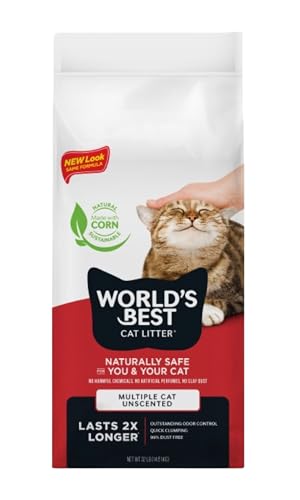
World's Best Cat Litter Cat Tree
Best Natural

World's Best Cat Litter Cat Tree

View on Amazon

Made from renewable materials with sisal rope and solid wood, this tree is environmentally friendly. It features a built-in cord channel and a non-toxic finish. The natural texture encourages chewing on the posts. A limitation is that the wood may splinter over time, so inspect regularly for damage.

Before You Buy

Key Buying Factors

01

Cord Management Features

Look for trees with built-in channels, clips, or hollow bases that allow you to route cords out of your cat's reach. Some models have removable panels to hide power strips.

02

Chewing Surface Material

Sisal rope is the best choice because it is durable and satisfying to chew. Avoid carpet or fabric that can fray and be ingested.

03

Stability and Base Size

A wide, heavy base prevents tipping when your cat jumps or chews. Check the product weight and base dimensions; a tree that wobbles may be ignored.

04

Height and Platform Layout

Taller trees with multiple platforms encourage climbing and keep your cat away from floor-level cords. Ensure platforms are large enough for your cat to lounge.

05

Non-Toxic Materials

Verify that all materials, including glues and paints, are non-toxic. Cats that chew may ingest small amounts, so safety is paramount.

Living With It

Care, Cost and Maintenance

Cleaning the Sisal Posts

Vacuum sisal posts weekly to remove loose fibers and dirt. For deeper cleaning, lightly mist with water and blot with a cloth. Avoid soaking, as moisture can weaken the sisal.

Inspecting for Damage

Check the tree monthly for frayed sisal, loose screws, or splintered wood. Replace or repair any damaged parts immediately to prevent ingestion or injury.

Replacing Chewed Cord Management Parts

If your cat chews through a cord clip or channel, replace it with a metal or heavy-duty plastic alternative. Some manufacturers sell replacement parts.

Pro tip

Wrap loose cords in spiral cable protectors or run them through PVC pipe before routing them through the cat tree's base for an extra layer of protection.

Frequently asked questions

How often should I change the cat litter?
Scoop solid waste daily and stir the litter to distribute clumps. For clumping litter, completely replace it every 2 to 4 weeks, depending on the number of cats. For non-clumping litter, replace it weekly. Wash the box with mild soap and water during each full change to prevent odour buildup.
Should I use clumping or non-clumping litter?
Clumping litter is generally preferred because it forms solid clumps that are easy to scoop, controlling odour better and lasting longer. Non-clumping litter absorbs liquid but does not form clumps, requiring more frequent full changes. For cats that chew cords, clumping litter is less likely to be tracked and ingested, but always supervise your cat's litter box habits.
Can cat litter dust affect my cat's airways?
Yes, high-dust litters can irritate a cat's respiratory system, especially in cats with asthma or allergies. Low-dust or dust-free formulas are recommended. If your cat sneezes or coughs near the litter box, switch to a low-dust option like a natural paper or wood-based litter.
How can I control litter box odour effectively?
Use a high-quality clumping litter with activated charcoal or baking soda. Scoop daily, place the box in a well-ventilated area, and consider an air purifier nearby. For multi-cat households, provide one box per cat plus one extra. A litter deodorizer can help, but avoid heavily scented products that may deter cats.
What is the best litter setup for multiple cats?
Follow the rule of one litter box per cat plus one extra. Place boxes in separate, quiet locations to reduce competition. Use a clumping, low-dust litter with strong odour control. Large, uncovered boxes are often preferred by cats. For cord-chewing cats, ensure boxes are away from electronics to avoid tempting cord access.
Are there low-tracking cat litters that reduce mess?
Yes, low-tracking litters have larger, heavier granules or are coated with a substance that reduces stickiness. Examples include crystal litters, pine pellets, and some clumping clays. A mat outside the box can also catch loose litter. However, no litter is completely tracking-free, so regular sweeping is still needed.
Should I choose scented or unscented cat litter?
Unscented litter is generally safer because cats have sensitive noses and may avoid strongly scented boxes. Scented litters can mask odour but may cause respiratory irritation or deter use. If you prefer a scent, choose a mild, natural one like lavender. For cord-chewing cats, unscented is best to avoid attracting them to the box area.
My cat is avoiding the litter box. What should I do?
First, rule out medical issues with a vet check. Then evaluate the box: ensure it's clean, large enough, and in a quiet location. Try switching to an unscented, fine-grained clumping litter. Avoid sudden changes; mix old and new litter gradually. If the problem persists, consult a certified feline behaviourist.
How do I transition my cat to a new litter?
Gradually mix the new litter with the old over 7 to 10 days. Start with 25% new litter, then increase by 25% every few days. Monitor your cat's acceptance; if they avoid the box, slow down the transition. For cats that chew cords, ensure the new litter is low-dust and unscented to minimize respiratory irritation.
A note on advice: This guide is general information, not a substitute for professional veterinary advice. Talk to your vet before changing your dog's diet or care routine, especially if your dog has allergies, kidney disease, pancreatitis, obesity, heart disease or any other medical condition.
Transparency

How we made this guide

How we chose. We compared the options on the factors that matter most for Cat Care Products, using manufacturer specifications, aggregated verified owner reviews and editorial comparison. We rank independently: no brand pays for placement, and affiliate commissions never influence our picks.

How it was written. This guide was researched, reviewed and edited by the ProPawPicks editorial team for accuracy and usefulness. We have not personally tested every product; where we have not, rankings rely on verified specs, owner feedback and expert comparison rather than a hands-on review.

Affiliate disclosure. ProPawPicks is reader-supported. If you buy through links on our site, we may earn a commission at no extra cost to you. See our affiliate disclosure.

Keep Reading

More Cat Care Products guides

Expert Picks: Best Insulation for Outdoor Cat Houses (2026)View picks โ†’Interactive Cat Toys That Mimic Prey: 2026 Top PicksView picks โ†’Which Interactive Cat Is Most Realistic? Our 2026 Top PickView picks โ†’Interactive Dog Toys for Boredom: Our ShortlistView picks โ†’Interactive Cat Feeders That Cats Actually Use: 2026 Top 4View picks โ†’Indoor cat fences: best invisible dog fence for cats in 2026View picks โ†’

Sources and further reading

Some links below are affiliate links. If you buy through them we may earn a small commission at no extra cost to you. Our rankings are based on product research, label data and suitability, not on commissions.