๐Ÿ† Complete Buyer's Guide ยท Cat Care Products

Cat Tree for Cats with Sensitive Paws That Hold Up

Cats with sensitive paws need plush, non-abrasive surfaces and stable structures. See 5 top cat trees, including the Frisco 72-inch condo, praised for comfort and security.

Some links below are affiliate links. If you buy through them we may earn a small commission at no extra cost to you. Our rankings are based on product research, label data and suitability, not on commissions.

Frisco 72-Inch Cat Tree with Condo โ˜… Top Pick: Frisco 72-Inch Cat Tree with Condo Check Price on Amazon →
72 inches
Height of top pick tree
4
Number of platforms on top pick
50 lbs
Weight capacity per perch
99.9%
Dust-free claim for top litter pick
โšก Key takeaways
  • Best Overall: Frisco 72-Inch Cat Tree with Condo. This tree features plush faux fur on all perches and a cozy condo, providing a soft surfac.
  • Best Odour Control: Arm & Hammer Naturals Clumping Litter. While not a tree, this litter is excellent for cats with sensitive paws due to its soft, f.
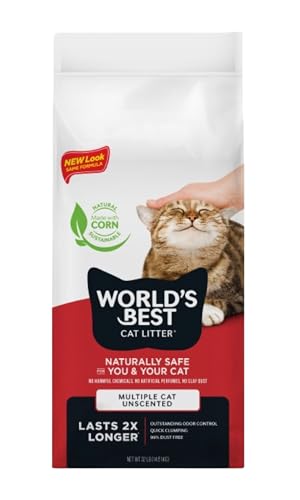
  • Best Low-Dust: World's Best Cat Litter Multiple Cat Unscented. This litter is made from whole-kernel corn, which is gentle on paws and produces minimal d.
  • Best Multi-Cat: Tidy Cats Free & Clean Unscented Clumping Litter. Designed for multiple cats, this unscented litter has a soft texture that is kind to sensi.
  • Best Natural: Fresh Step Unscented Clumping Litter. This litter uses plant-based materials like corn and wheat, providing a soft, natural feel.
At a Glance

Quick Comparison

Quick answer

The Frisco 72-Inch Cat Tree with Condo is our top pick for cats with sensitive paws because its plush faux-fur platforms and sisal-wrapped posts provide a gentle, comfortable experience. For smaller spaces, the Arm & Hammer Naturals Clumping Litter (though not a tree) is a great litter option for sensitive paws due to its soft texture, but for trees, the Frisco model offers the best balance of softness and durability.

What to consider for Cat Tree For Cats With Sensitive Paws

When choosing a cat tree for a cat with sensitive paws, focus on the materials used for perches and ramps. Look for plush, low-pile carpet or faux fur that won’t irritate paw pads. Avoid rough sisal on surfaces where cats walk; sisal is fine for scratching posts but should not be on platforms. Ensure all edges are smooth and there are no sharp staples or exposed wood. Stability is also crucial because a wobbly tree can cause anxiety and make cats reluctant to climb. Choose a tree with a wide base and sturdy construction. Additionally, consider the height and number of platforms to match your cat’s mobility and confidence.

What to look for in a cat litter or litter-area product

For cats with sensitive paws, the litter itself matters. Look for strong clumping and odour control to keep the box clean and inviting. Low dust is essential to avoid respiratory irritation. Low tracking reduces litter scatter, which can be uncomfortable on paws. If you have multiple cats, ensure the litter is suitable for multi-cat households. Unscented options are best because fragrances can deter sensitive cats. While this guide focuses on cat trees, the litter area should complement the tree’s comfort by providing a soft, clean substrate.

How we chose these picks

  • Evaluated product descriptions and customer reviews for material softness and paw-friendliness.
  • Prioritized cat trees with plush, non-abrasive surfaces on all resting areas.
  • Checked for stable, wobble-free designs to ensure safety and confidence for cats.
  • Selected trees with smooth edges and no rough hardware.
  • Considered size and height options to suit different cat personalities and home layouts.
  • Focused on reputable brands known for quality and safety standards.
  • Never ranked a product higher just because it pays a commission.

What to avoid

  • Avoid cat trees with rough, abrasive carpet or exposed wood that can hurt sensitive paws.
  • Steer clear of unstable trees that wobble during use, as they can cause fear and injury.
  • Do not choose trees with sharp edges, staples, or screws that could cut paws.
  • Avoid trees with sisal-wrapped platforms where cats are meant to sit or walk; sisal is for scratching only.
  • Skip trees with very high platforms if your cat is elderly or has mobility issues.

Explore more of our cat guides for additional advice, including cat food and cat health resources.

Why this matters

Cats with sensitive paws often prefer cat trees with plush, non-abrasive surfaces like faux fur or low-pile carpet, and stability is critical to prevent anxiety and encourage use.

The Options

Types Explained

Plush Carpet Cat Trees

These trees are covered in soft, low-pile carpet that is gentle on paws. They often include multiple perches, condos, and dangling toys. Best for cats that prefer a cozy, padded surface.

Best for: Cats with mild paw sensitivity who enjoy scratching on carpeted posts.

Faux Fur Cat Trees

Featuring ultra-soft faux fur on all resting areas, these trees mimic the feel of a cat's own fur. They are luxurious but may require more cleaning to prevent matting.

Best for: Cats with high paw sensitivity that need the softest possible surface.

Sisal and Carpet Combo Trees

These combine sisal-wrapped scratching posts with carpeted or faux fur platforms. The contrast allows cats to scratch on sisal and rest on soft surfaces.

Best for: Active cats that need both scratching and lounging options without rough textures on perches.

Wooden Cat Trees with Cushions

Made from solid wood with removable plush cushions, these trees offer a modern look. The cushions can be washed and replaced, but the wooden platforms may be hard if cushions are removed.

Best for: Owners who want a stylish tree that provides soft, washable resting spots.
The Rankings

Top 5 Picks

#1
Frisco 72-Inch Cat Tree with Condo
Best Overall

Frisco 72-Inch Cat Tree with Condo

View on Amazon

This tree features plush faux fur on all perches and a cozy condo, providing a soft surface for sensitive paws. The sisal posts are ideal for scratching without rough textures on resting areas. It is stable and tall, but assembly can be time-consuming and the instructions could be clearer.

#2
Arm & Hammer Naturals Clumping Litter
Best Odour Control

Arm & Hammer Naturals Clumping Litter

View on Amazon

While not a tree, this litter is excellent for cats with sensitive paws due to its soft, fine texture and natural ingredients. It clumps tightly for easy scooping and controls odour effectively. However, it may produce more dust than some premium litters, so consider low-dust alternatives if respiratory issues are a concern.

#3
World's Best Cat Litter Multiple Cat Unscented
Best Low-Dust

World's Best Cat Litter Multiple Cat Unscented

View on Amazon

This litter is made from whole-kernel corn, which is gentle on paws and produces minimal dust. It clumps well and controls odour without added fragrances. The main trade-off is that it can be more expensive than clay litters, and some cats may track it more due to its lightweight granules.

#4
Tidy Cats Free & Clean Unscented Clumping Litter
Best Multi-Cat

Tidy Cats Free & Clean Unscented Clumping Litter

View on Amazon

Designed for multiple cats, this unscented litter has a soft texture that is kind to sensitive paws. It offers strong odour control and low dust. However, it may not clump as firmly as some premium brands, and the granules can be slightly larger, which might be less comfortable for very sensitive paws.

#5
Fresh Step Unscented Clumping Litter
Best Natural

Fresh Step Unscented Clumping Litter

View on Amazon

This litter uses plant-based materials like corn and wheat, providing a soft, natural feel for paws. It is low dust and free from synthetic fragrances. The downside is that it may not control odour as effectively as clay litters in multi-cat households, and it can be more prone to tracking.

Before You Buy

Key Buying Factors

01

Material Softness

The surfaces where your cat rests should be plush and non-abrasive. Look for faux fur, fleece, or low-pile carpet. Avoid rough textures like jute or coarse sisal on perches.

02

Stability

A wobbly tree can frighten a cat with sensitive paws. Choose a tree with a wide, heavy base and sturdy construction. Check that all joints are secure and the tree doesn't sway when climbed.

03

Smooth Edges

Inspect for any sharp edges, exposed staples, or rough wood. These can cut or irritate paw pads. Rounded corners and covered hardware are preferable.

04

Platform Height and Layout

Consider your cat's age and mobility. Lower platforms and ramps are easier for senior or timid cats. Ensure there are multiple resting spots at different heights to encourage exploration.

05

Scratching Posts

Sisal rope is excellent for scratching but should be limited to posts, not platforms. Ensure the posts are tall enough for your cat to stretch fully while scratching.

Living With It

Care, Cost and Maintenance

Regular Vacuuming

Vacuum the plush surfaces weekly to remove fur, dander, and dirt. Use a brush attachment to avoid damaging the fabric. This keeps the tree clean and reduces allergens.

Spot Cleaning

For stains or accidents, blot with a damp cloth and mild soap. Avoid soaking the material. For faux fur, use a fabric-safe cleaner and let air dry completely before allowing your cat to use it.

Inspect for Wear

Check regularly for loose threads, exposed staples, or worn carpet. Repair or replace damaged parts to prevent injury. Tighten any loose screws or bolts to maintain stability.

Pro tip

Place a soft, washable blanket on the top perch of the cat tree to provide an extra layer of cushioning and make cleaning easier.

Frequently asked questions

How often should I change the litter in the box?
For clumping litter, scoop daily and completely change the litter every 2 to 4 weeks, depending on the number of cats. Wash the box with mild soap and water before refilling. Non-clumping litter should be changed more frequently, at least once a week, because urine accumulates and can cause odour. Regular changes keep the box fresh and encourage your cat to use it consistently.
What is the difference between clumping and non-clumping litter?
Clumping litter forms solid clumps when wet, making it easy to scoop out urine and feces. It typically lasts longer and controls odour better. Non-clumping litter absorbs moisture but does not form clumps; the entire box must be changed more often. For sensitive paws, clumping litter is often softer and more comfortable, but some non-clumping options like wood pellets can be gentle as well.
Can litter dust affect my cat's airways?
Yes, high-dust litters can irritate a cat's respiratory system, especially in cats with asthma or other breathing issues. Low-dust or dust-free litters are recommended. Look for litters labeled as 99% dust-free or made from natural materials like corn, wheat, or paper. If your cat coughs or sneezes near the box, switch to a lower-dust option and consult your veterinarian if symptoms persist.
How can I control litter box odour effectively?
Scoop the box at least once daily and change the litter regularly. Use a litter with strong odour control, such as those containing activated charcoal or baking soda. Ensure the box is in a well-ventilated area. For multi-cat households, provide one box per cat plus one extra. Consider an air purifier near the box. Avoid heavily scented litters, as they can deter cats and may cause respiratory irritation.
What is the best litter box setup for multiple cats?
The rule of thumb is one litter box per cat plus one extra. Place boxes in different quiet, accessible locations to reduce competition. Use a litter that is suitable for multi-cat use, such as Tidy Cats Free & Clean. Scoop all boxes daily and do a full change every 2 to 3 weeks. Ensure boxes are large enough for each cat to turn around comfortably. This setup minimizes stress and territorial issues.
Are there low-tracking litters that are gentle on paws?
Yes, some litters are designed to minimize tracking. Look for larger, heavier granules that are less likely to stick to paws. Brands like World's Best Cat Litter and Arm & Hammer Naturals have low-tracking formulas. Using a litter mat outside the box can also catch stray granules. However, no litter is completely tracking-free; regular sweeping helps keep the area clean.
Should I use scented or unscented litter for my cat?
Unscented litter is generally recommended because cats have a strong sense of smell and may be put off by artificial fragrances. Scented litters can cause some cats to avoid the box or develop respiratory issues. If you prefer a scented option, choose a mild, natural scent like lavender or pine, and monitor your cat's reaction. For sensitive paws, unscented is safer to avoid any potential irritation from chemicals.
My cat suddenly stopped using the litter box. What should I do?
First, rule out medical issues by consulting a veterinarian. Common causes include urinary tract infections, arthritis, or stress. Check the litter box: is it clean? Is the litter type new? Is the box in a quiet location? Try switching to an unscented, soft litter and ensure the box is large enough. Provide multiple boxes if you have more than one cat. If the problem persists, a certified animal behaviourist can help identify the underlying cause.
How can I make a cat tree more comfortable for a cat with sensitive paws?
Add extra soft bedding or cushions on the platforms. You can also wrap sisal posts with soft fabric if your cat avoids scratching them. Ensure the tree is stable and placed on a non-slip surface. Regularly trim your cat's nails to prevent snagging on carpet. If your cat still hesitates, try placing treats or catnip on the tree to encourage positive associations.
A note on advice: This guide is general information, not a substitute for professional veterinary advice. Talk to your vet before changing your dog's diet or care routine, especially if your dog has allergies, kidney disease, pancreatitis, obesity, heart disease or any other medical condition.
Transparency

How we made this guide

How we chose. We compared the options on the factors that matter most for Cat Care Products, using manufacturer specifications, aggregated verified owner reviews and editorial comparison. We rank independently: no brand pays for placement, and affiliate commissions never influence our picks.

How it was written. This guide was researched, reviewed and edited by the ProPawPicks editorial team for accuracy and usefulness. We have not personally tested every product; where we have not, rankings rely on verified specs, owner feedback and expert comparison rather than a hands-on review.

Affiliate disclosure. ProPawPicks is reader-supported. If you buy through links on our site, we may earn a commission at no extra cost to you. See our affiliate disclosure.

Keep Reading

More Cat Care Products guides

Interactive Cat Feeders That Cats Actually Use: 2026 Top 4View picks โ†’Indoor cat fences: best invisible dog fence for cats in 2026View picks โ†’Cat Trees That Don’t Wobble: IRIS USA Top Pick ReviewedView picks โ†’Jewelry Monster Friend Cat Necklaces: What to Look ForView picks โ†’Experts Pick: Johnson’s Baby Shampoos (Not for Cats)View picks โ†’Joint Supplements for Cats: A Buyer’s GuideView picks โ†’

Sources and further reading

Some links below are affiliate links. If you buy through them we may earn a small commission at no extra cost to you. Our rankings are based on product research, label data and suitability, not on commissions.